Using Art to Complement a Black and White Tiled Bathroom
A black and white tiled bathroom gives you a strong architectural starting point. Crisp checkerboard floors, monochrome wall tiles and dark grout already create rhythm, so artwork can soften the room, add personality and introduce colour without competing with the scheme.
The key is to treat the bathroom as a small gallery rather than an afterthought. A carefully chosen print, photograph or painted panel can make a practical space feel considered, while the right frame and placement will help the artwork cope with steam, splashes and the bright Australian sun.
Read The Room Before Choosing Art
Begin by studying the proportions, tile pattern and available wall space. A busy encaustic-style floor may need one quiet, oversized image, while plain white subway tiles can support a pair of smaller works. In a compact ensuite, a single vertical piece beside the vanity often creates enough visual interest.
Natural light matters in Australian homes. A north-facing bathroom in Brisbane or Sydney may receive intense sun for much of the day, while a darker Melbourne bathroom can benefit from warmer colours and reflective finishes. Look at the room at different times before selecting a work that might fade or appear too harsh.
Think about the mood you want to create. Botanical drawings, coastal photographs and abstract works in charcoal, ochre or muted blue can make monochrome tiles feel relaxed. For a more refined look, choose a restrained composition with generous white space and a frame that echoes the tapware.
Build A Palette Beyond Black And White
Black and white do not have to remain the only colours in the room. Small touches of terracotta, gumleaf green, dusty pink or ochre can connect the artwork with towels, pottery or a timber stool. These tones suit Australian interiors particularly well, bringing in the dry, sun-washed character often seen in homes from Perth to Adelaide.
A bathroom artwork does not need to match every accessory. Instead, repeat one colour twice or three times so the room feels cohesive. A rust-coloured line in a print might reappear in a hand towel and a ceramic soap dish, while a blue-grey photograph can be picked up in a bath mat.
Texture is equally useful. A handmade frame, linen-look paper or lightly raised artwork can stop a tiled room from feeling cold. If your tiles are glossy, a matte print will provide contrast; if the tiles are softly honed, a subtle glazed frame can add a controlled point of shine.
Choose Works And Frames For Bathroom Conditions
Moisture is the practical issue that separates bathroom decorating from styling a living room. Avoid placing valuable original works directly above the bath or in the path of a steamy shower. Instead, use archival prints, sealed photographic panels or artwork printed on materials designed for humid spaces.
Frame protection deserves attention. Acrylic glazing is lighter and safer than glass, particularly in a narrow room, and a sealed backing helps reduce exposure to damp air. Timber frames should have a durable finish, while metal frames work beautifully with black tapware and can handle a minimalist scheme.
For Australian homes, ventilation is essential. Use the exhaust fan during showers and leave the door open afterwards where practical. In humid coastal areas such as the Gold Coast or Darwin, keep framed paper art away from splash zones and inspect the backing occasionally for signs of moisture.
The role of art becomes especially clear in a bathroom because a small visual decision can change how the entire room feels. One well-protected work will usually have more impact than several fragile pieces crowded together.
Place Art With Gallery Discipline
Hang artwork where it can be seen from the doorway, not only when standing at the basin. The wall opposite the vanity, beside a freestanding bath or above a low storage unit can provide a natural focal point. Keep enough distance from taps and wet areas to prevent accidental splashing.
Use the centre of the artwork at approximately eye level, adjusting slightly for furniture and household height. In a family bathroom, a lower arrangement may feel more comfortable, while a tall print can emphasise the ceiling in a narrow powder room.
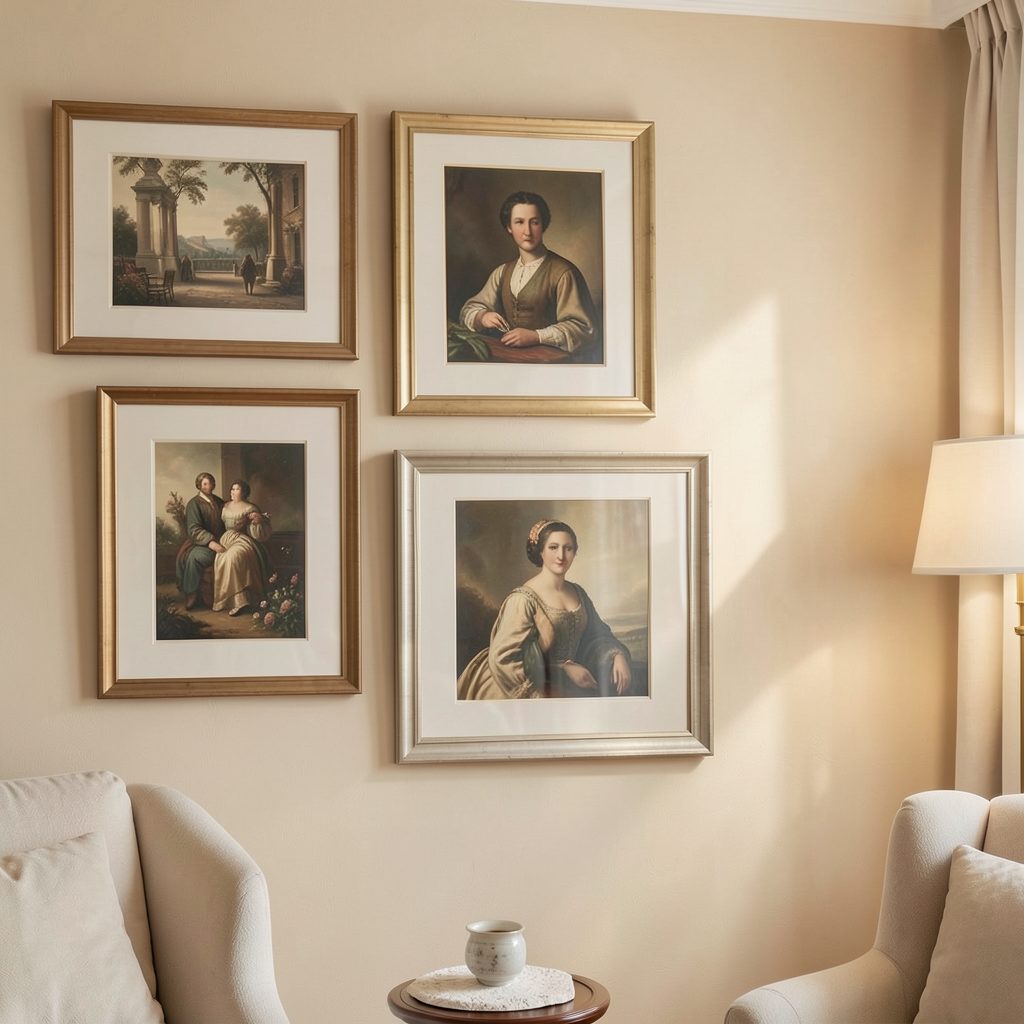
A small grouping can work when the tile pattern is simple. Keep the spacing consistent and use matching frames to create order. Adding discreet gallery labels beside a treasured photograph or inherited print can give the room a charming exhibition feel, provided the labels are protected from steam.
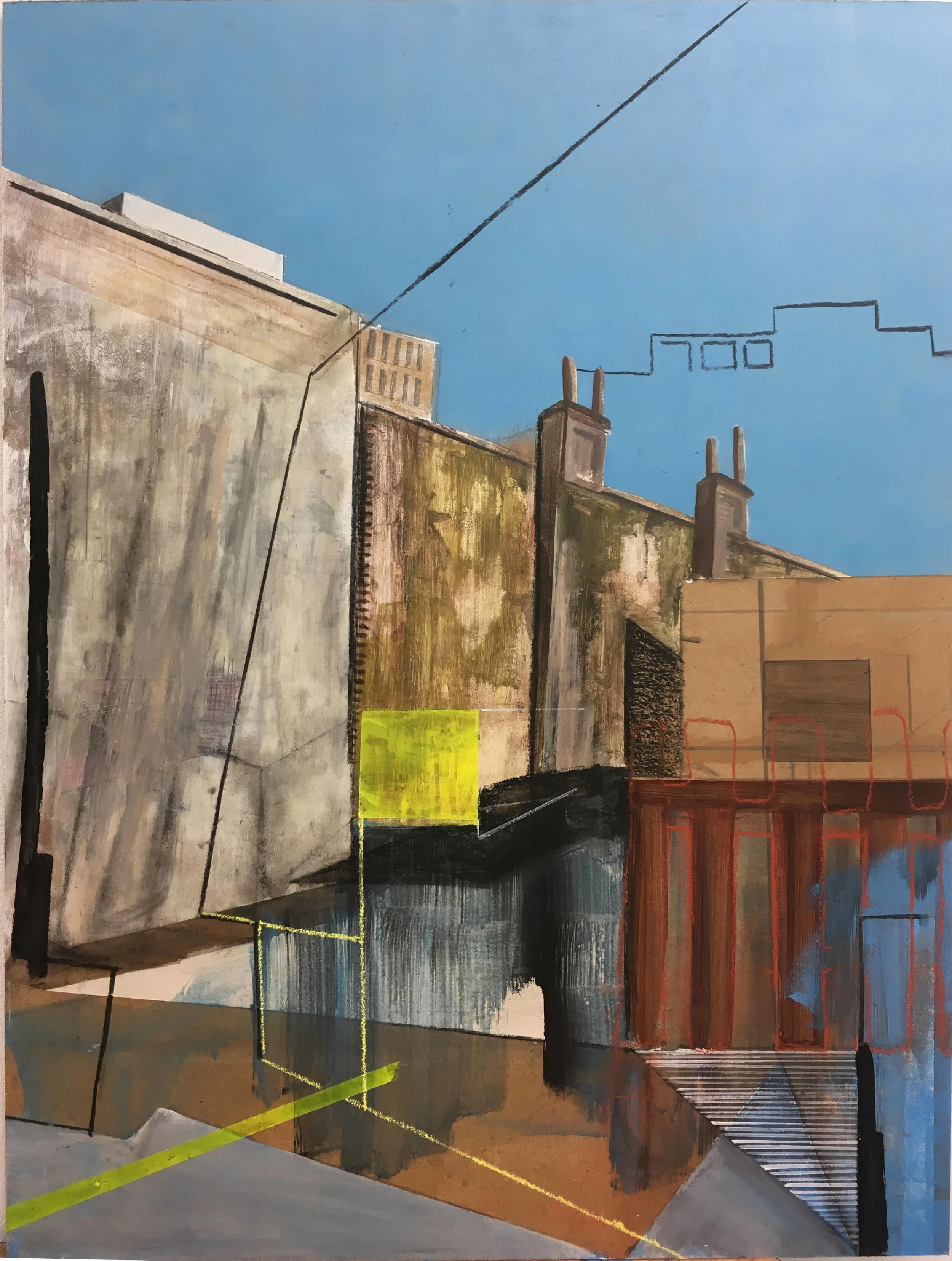
Australian art can bring a strong sense of place without turning the bathroom into a themed room. Consider a restrained landscape from the Victorian coast, a contemporary abstract inspired by desert colours or a black-and-white architectural photograph of a local streetscape. Independent galleries and weekend art markets in Melbourne, Sydney and regional towns often offer affordable limited editions.
A Practical Styling Checklist
The best choices are usually simple, repeatable and suited to the room’s daily use. Before buying, consider the scale of the wall, the amount of ventilation and how the artwork will relate to mirrors, lighting and storage.
Useful places for artwork include:
- The wall opposite the vanity
- A dry section beside a freestanding bath
- Above closed bathroom storage
- A powder-room wall near the entry
When arranging a pair or trio, make the frames feel intentional rather than scattered. A slim black frame can reinforce dark grout, while pale timber will warm white tiles and work well with oak shelving or woven baskets.
Details worth checking before installation:
- Whether the paper or print is moisture resistant
- Whether the frame has sealed joints and backing
- Whether morning or afternoon sun reaches the wall
- Whether the exhaust fan clears steam effectively
For renters, removable picture-hanging hardware can make a gallery-style display possible without major wall damage, though it should be checked against the artwork’s weight. Owners may prefer a recessed picture light or a slim wall sconce, but choose fittings rated for bathroom use and keep electrical work compliant with local requirements.
A broader approach to styling can help the bathroom connect with the rest of the home. These decorating principles are useful when carrying a gallery wall aesthetic from a hallway or bedroom into a wet area without making every room look identical.
Art has the power to make black and white tiles feel warm, personal and distinctly yours. Choose one durable focal piece, protect it from moisture, and repeat a few colours or materials through the room. Subscribe to Focus LDN for more considered ideas on artwork display, gallery walls and stylish home living.