Using Abstract Landscapes To Bring The Outdoors Inside
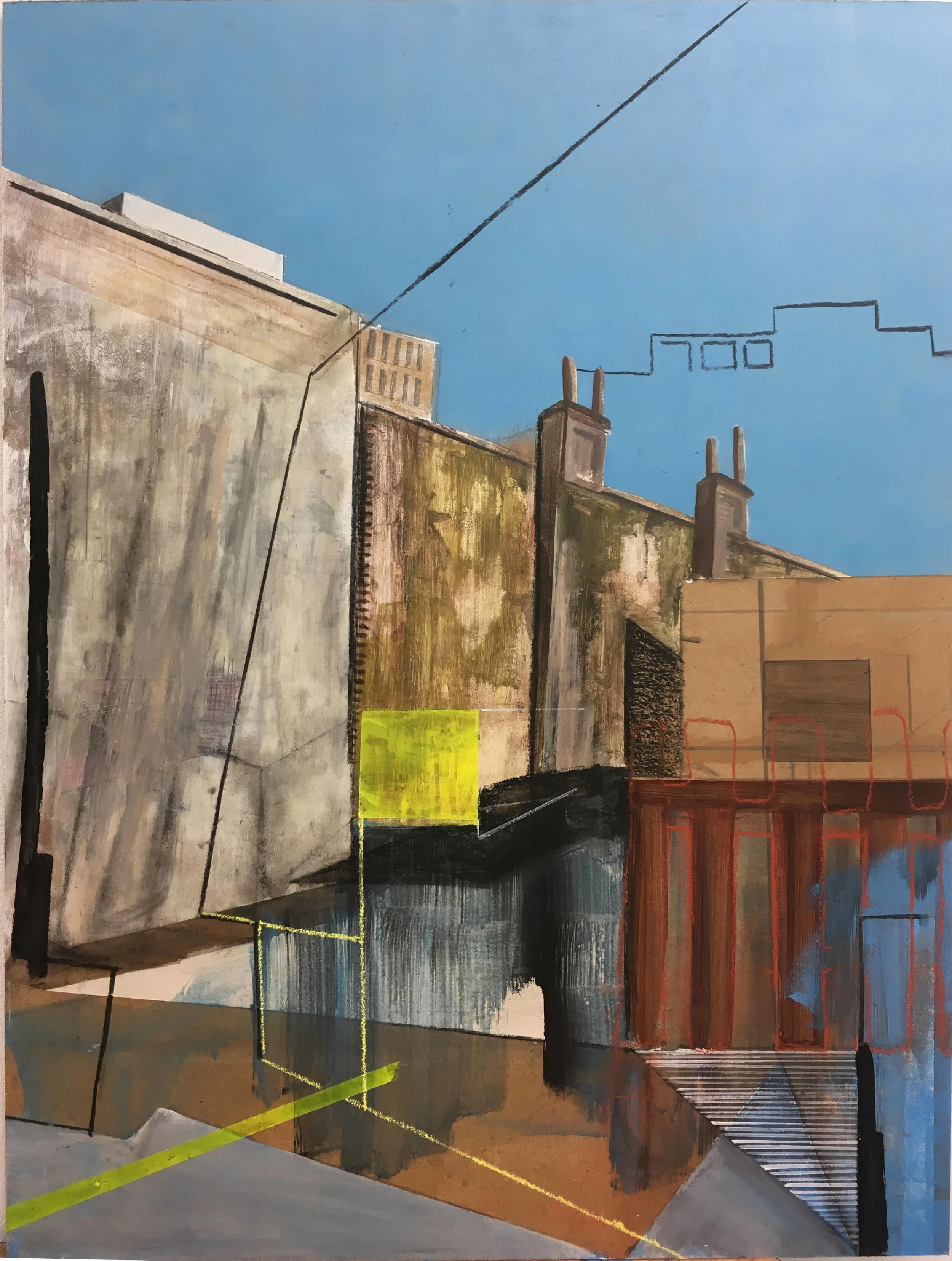
Abstract landscapes offer a flexible way to introduce nature, atmosphere and a sense of place into an apartment. Rather than showing a literal beach, forest or mountain range, these artworks suggest open skies through colour, layered brushwork and expressive shapes.
This approach works especially well in Australian homes, where strong sunlight, coastal views and relaxed indoor-outdoor living often influence the decor. A painting inspired by eucalyptus greens or the ochre tones of the Red Centre can feel connected to its setting without becoming overly themed.
The beauty of abstract landscape art lies in its adaptability. It can soften a minimalist white room, add depth to a compact bedroom or bring movement to a hallway with very little furniture. The right piece becomes a visual window, even when the actual outlook is a brick wall or neighbouring apartment.
A successful display depends on more than choosing a beautiful canvas. Scale, framing, wall colour, natural light and the relationship between several artworks all shape the final effect. Thoughtful styling helps the artwork feel settled rather than simply placed on an empty wall.
Choose A Landscape Mood
Begin by deciding what kind of outdoor feeling you want to create. Soft blue-grey washes can suggest a misty morning on the Great Ocean Road, while sandy beige, rust and muted terracotta recall desert landscapes. Deep greens and charcoal tones create a denser, more sheltered mood, similar to a shaded bush track after rain.
Look for paintings with an emotional connection rather than an exact subject. Horizontal bands may bring calm and spaciousness, while broken marks and energetic strokes can make a room feel lively. If your furniture is streamlined, a textured abstract work can provide welcome contrast without disrupting the clean lines.
Colour repetition helps the artwork sit comfortably within the room. Pick one or two shades from the painting and echo them in a cushion, ceramic vase, rug or throw. The match should be loose; repeating every colour exactly can make the scheme feel staged.
Work With Australian Light
Australian sunlight can be bright and unforgiving, particularly in north-facing rooms and homes with large glass doors. Observe the wall at different times of day before hanging valuable artwork. A piece that looks balanced in the morning may appear washed out or overly yellow in the afternoon.
UV-protective glazing is worth considering for works on paper, watercolours and delicate prints. It may increase the cost, but local framing studios commonly offer conservation glass and advice suited to the conditions. Keep original paintings away from direct sun, heat sources and damp areas, even when the room feels comfortable.
In Sydney apartments, a blue-and-sand palette can reinforce the brightness of a harbour outlook without competing with it. In Melbourne, earthy greens and stormy greys often complement the cooler light and older architectural details found in many terraces and converted warehouses.
Select Frames And Materials
Frame choice changes the character of an abstract landscape. A pale oak frame feels relaxed and coastal, black timber adds definition, and a slim natural frame supports a Scandinavian or minimalist interior. For an informal canvas, a floating frame can create a neat edge while preserving the sense of a painted surface.
Consider the other materials already present. Timber floors, linen upholstery and rattan furniture pair naturally with organic textures. Polished concrete, steel and glass benefit from warmer artwork or a substantial frame that stops the room feeling cold.
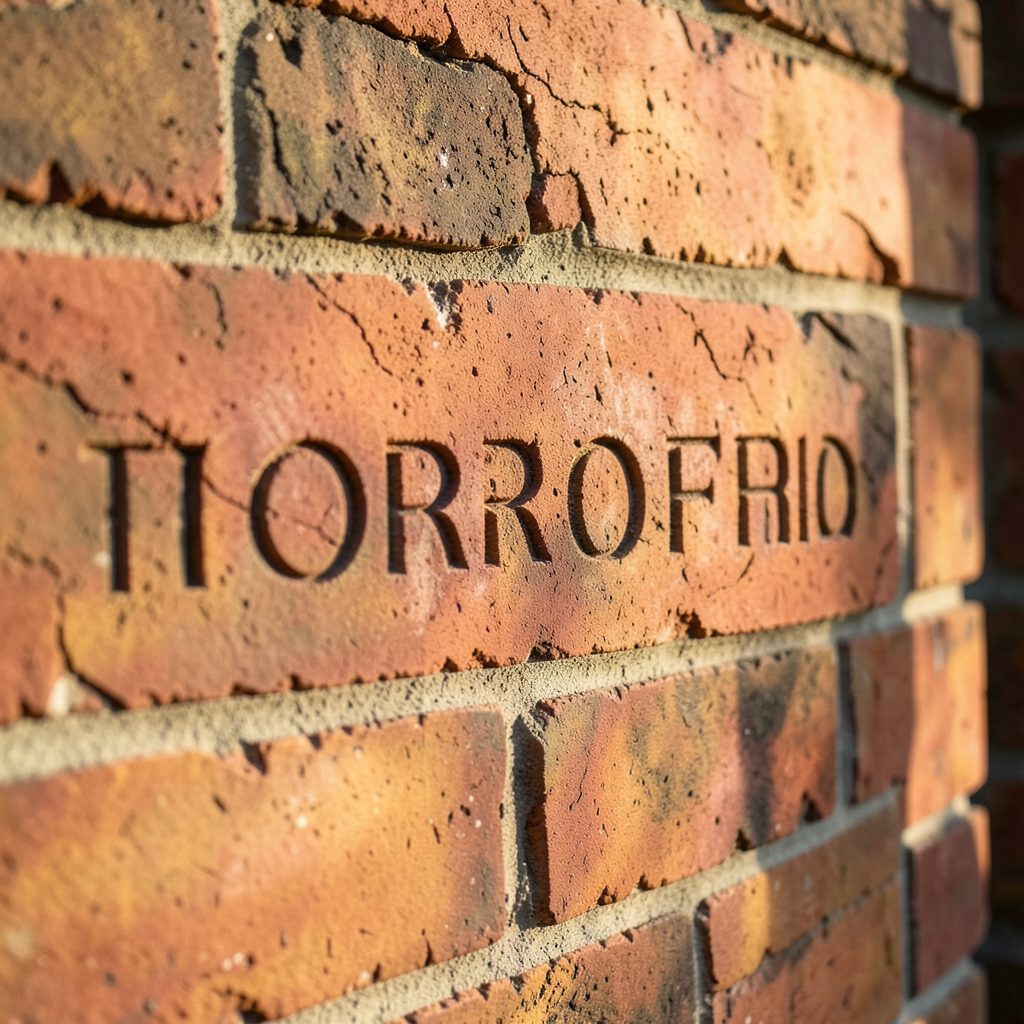
You can also introduce a tactile reference to the outdoors through small architectural details. For example, an engraved brick accent can echo geological layers and add an unexpected textural note beside a landscape print, particularly in an industrial-style apartment or a courtyard-facing entry.
Build A Balanced Gallery Wall
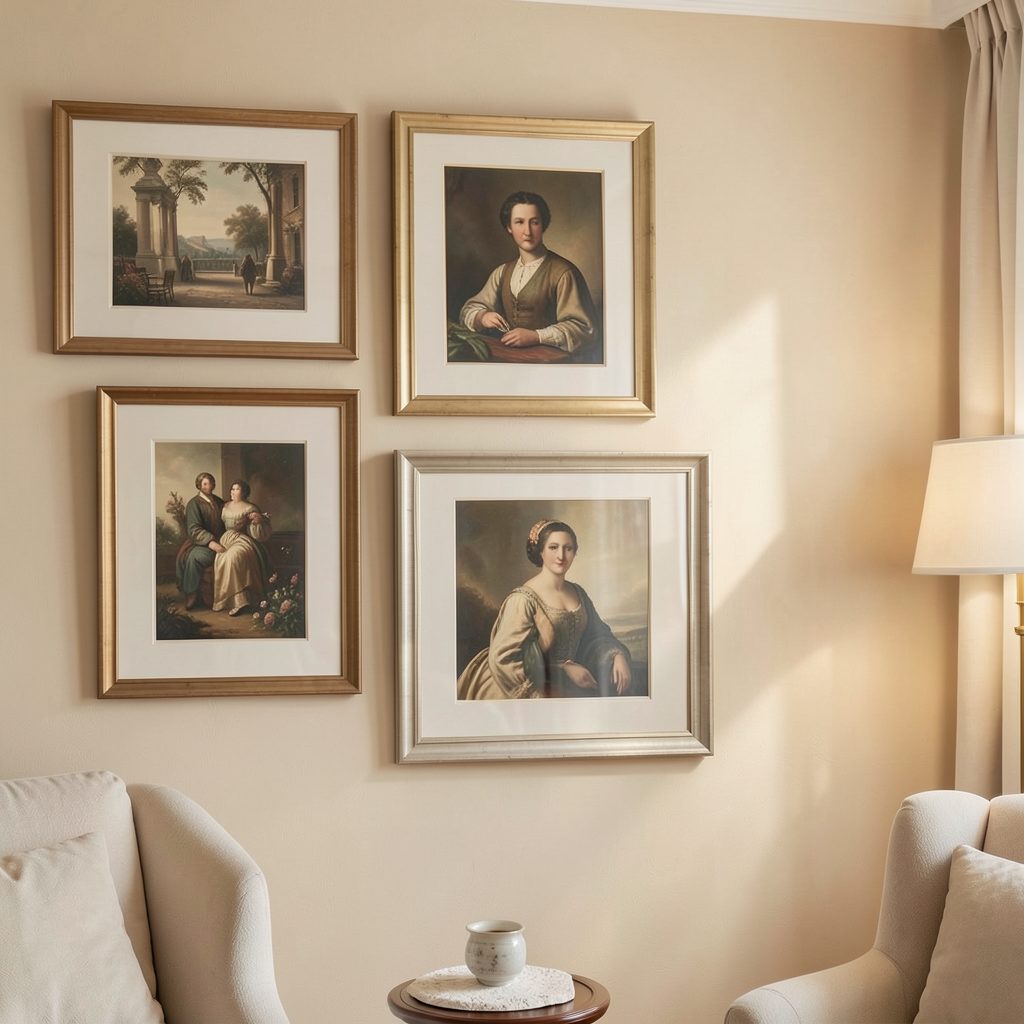
A single large abstract can act as a quiet focal point, but a collection gives a room greater rhythm. Combine landscape paintings with line drawings, photographs, botanical studies or small sculptural objects. Keep a shared colour family or frame finish so the arrangement feels intentional.
Before making holes, lay the pieces on the floor or use paper templates on the wall. Begin with the largest work, then position smaller pieces around it. In Australian rentals, removable hanging strips may suit lightweight prints, while heavier framed paintings need proper fixings and a clear agreement with the property manager.
A useful planning checklist can keep the display cohesive:
- Choose one dominant artwork to anchor the arrangement
- Repeat two or three colours across the collection
- Keep spacing consistent between frames
- Test the layout from the main entry point
For a gallery wall with more variety, use these styling cues:
- Mix wide and narrow frames without overcrowding
- Pair soft brushwork with crisp graphic pieces
- Leave breathing room around the outer edges
- Add one small object for texture or contrast
For further guidance on proportions and placement, this gallery wall guide offers a useful foundation before you start arranging the collection.
Style Bedrooms And Bathrooms
In a bedroom, abstract landscapes can create a restful visual pause. Choose quiet compositions, softened contrast and horizontal movement for the wall above a bed or opposite the pillows. Dusty blue, eucalyptus, cream and warm grey are easy to live with and work well alongside linen bedding.
Avoid placing unglazed artwork where it can be touched by condensation. Bathrooms require extra care because steam and fluctuating humidity may damage paper, canvas and wooden frames. If you want artwork in a bathroom, choose a well-sealed print, keep it away from the shower and provide strong ventilation.
A small bathroom can still carry a landscape mood through one framed print, a stone vessel or a tonal tile. In humid Queensland or tropical Northern Territory homes, moisture-resistant materials and generous air circulation matter even more than decorative layering.
Keep The Arrangement Connected
The strongest displays feel connected to the architecture and daily life of the home. Let a landscape work align with a doorway, console or furniture edge rather than floating too high on a blank wall. In a narrow hall, a series of smaller pieces can lead the eye through the space and make the apartment feel longer.
Give the artwork room to breathe as your home changes. Seasonal flowers, a new lamp or a different cushion can refresh the surrounding palette without requiring a new painting. If you visit local gallery openings or art fairs, take note of how curators use spacing, lighting and frame finishes to create atmosphere.
An abstract landscape should feel personal, whether it recalls a favourite coastal drive, a weekend in the Blue Mountains or simply the calm of an open horizon. Choose pieces that reward repeated viewing, then support them with considered placement and materials that suit the way your home is lived in.
Explore more apartment decorating ideas from Focus LDN, save the artwork displays that speak to your style, and subscribe to the email updates for fresh guidance on gallery walls, frames and stylish home living.