Hanging a Heavy Canvas on Drywall the Right Way
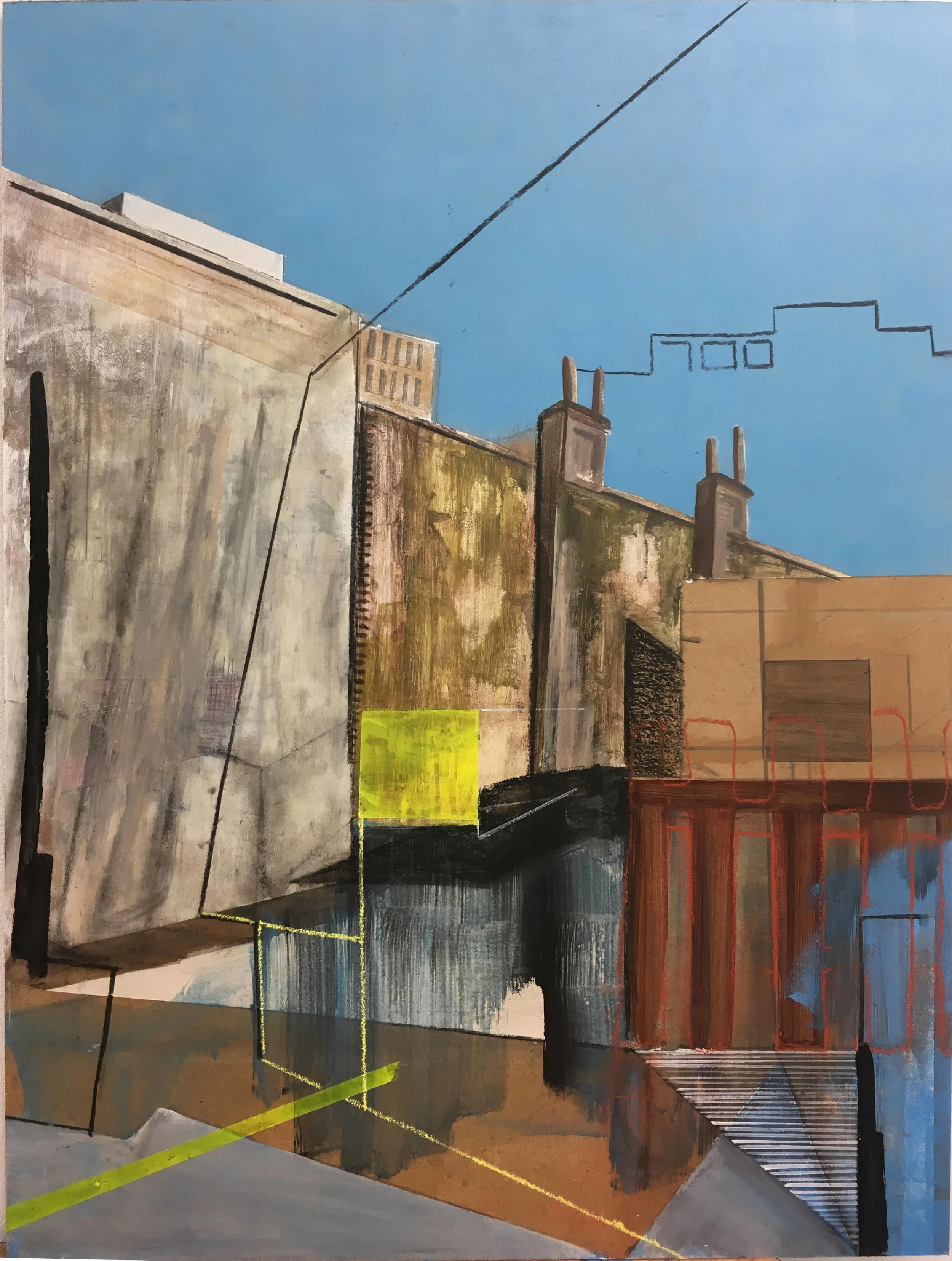
A statement canvas can anchor an entire room, yet many Australian renters and homeowners hesitate before drilling into a plasterboard wall. The fear of pulling down a chunk of gyprock, or watching a beloved artwork crash to the floor, is completely rational. Heavy canvases place real stress on internal walls, especially in apartments across Sydney, Melbourne, and Brisbane where standard 10mm plasterboard is the norm rather than the exception.
The good news is that with the right hardware and a careful approach, you can confidently suspend a substantial artwork on drywall without leaving a trail of crumbling plaster. Below is a practical walkthrough of methods that suit Australian homes, from inner-city terraces to sprawling Queenslander renovations.
Understanding plasterboard and its weight limits
Australian interior walls are almost always built from plasterboard, marketed locally as gyprock. A standard 10mm sheet can support roughly 15 to 20 kilograms when the load is distributed across a wide fixing, but a single nail or picture hook concentrates that weight into a small point and dramatically lowers the tolerance. Heavy canvas prints, particularly those wrapped over deep stretcher bars, easily push past 10 kilograms once you account for the timber frame.
Humidity plays a quiet role too. Coastal homes in Byron Bay or Perth often experience seasonal swelling in plasterboard, which can loosen fixings over time. Planning for slightly more holding power than you technically need keeps the artwork safe through wet summers and dry winters alike. Think of it as budgeting a margin of safety into every step.
Tools that make the job easier
A handful of quality tools turn a nerve-wracking job into a calm afternoon project. Before touching a drill, gather a stud finder, a spirit level, a pencil, a cordless drill with appropriate bits, and a tape measure. Most of these are stocked at Bunnings, where the team can also talk you through specific anchor options if you bring the dimensions of your canvas.
For canvases over 10 kilograms, add a set of snap toggles or a French cleat system to your kit. Snap toggles, often sold under the Ramset or Spit brand locally, hold astonishing weight in hollow walls. A French cleat, two interlocking aluminium bars, distributes the load along the wall and is a favourite among Melbourne gallery installers. Having everything ready prevents mid-project trips and avoids drilling holes you will not use.
Finding the studs behind the plaster
Studs are the vertical timber or steel frames inside the wall, and screwing directly into them is always the strongest option. A stud finder makes locating them quick, though tapping the wall with a knuckle and listening for a solid rather than hollow sound still works in older Brisbane and Adelaide houses where framing can be slightly irregular.
Australian stud centres are typically 450mm or 600mm apart, which means a wide canvas may span more than one stud. When that happens, plan your hanging points to land on each stud, even if the canvas is not perfectly centred on the wall. Centring the artwork visually matters far more than centring it relative to the studs behind, and a quick pencil mark where each fixing will sit saves headaches later.
Choosing anchors that match the load
When a stud is not available where you want the canvas, anchors fill the gap. Self-drilling threaded anchors handle medium weights up to about 15 kilograms per fixing, while metal snap toggles can manage 30 kilograms or more in standard 10mm plasterboard. Plastic expansion anchors are widely available at Mitre 10 but should be reserved for lighter pieces, since they compress over time under heavy, sustained loads.
Avoid the temptation to rely on adhesive hooks or picture wire alone for anything heavier than a small print. These solutions are designed for temporary use and struggle with the constant downward pull of a deep-edged canvas. Always check the packaging for the stated load rating, and choose a fixing rated well above the actual weight of the artwork.
Mounting the canvas for a level finish
Once the hardware is in place, attach D-rings or sturdy picture wire to the back of the stretcher bars. Two D-rings set about a third of the way down each vertical side keep the canvas hanging flush against the wall and reduce the tilt that happens when a single central wire stretches over time. Use a spirit level across the top edge rather than the frame's bottom edge, since stretched canvases are occasionally not perfectly square off the maker.
Lifting a heavy canvas onto its fixings is much easier with a helper, particularly for pieces over 15 kilograms. One person holds the artwork steady while the other hooks or rests the canvas onto the wall fixings. Step back regularly during this stage, since the human eye notices a slightly crooked frame long before a spirit level complains about being off by half a degree. Starting with one strong piece and learning how to curate an in-house gallery means every new artwork joins a coherent display rather than a scattered mix.
Styling the wall once the canvas is up
A heavy canvas often becomes the focal point of the room, so the surrounding decor should complement rather than compete with it. Soft furnishings, lighting, and floor coverings help tie the look together, and exploring a few rugs decor ideas can ground a tall artwork in a busy open-plan living area.
In a sun-drenched Sydney apartment, position the canvas where afternoon light does not fall directly on the surface, as UV exposure fades pigments even on quality canvases. Pair the piece with a low-slung sofa, a textured rug, and one or two smaller framed works nearby to balance the visual weight. With the right hardware hidden behind the stretcher bars, the artwork will hang securely for years, letting you enjoy the room rather than worry about the wall.
For more practical guides on hanging artwork, styling gallery walls, and bringing gallery-level polish into Australian homes, subscribe to the Focus LDN email list and receive fresh decorating ideas each week.