Blending family portraits with fine art prints in Australian homes
Walking through a beautifully styled home in Sydney's Eastern Suburbs or a heritage terrace in Melbourne's Fitzroy, the most captivating interiors weave together personal memory and artistic expression. A wall of curated frames — part candid family photographs, part considered artworks — feels both deeply personal and visually sophisticated. Achieving this balance requires intention, scale, and storytelling. For Australians decorating apartments, terraces, and federation-style homes, mixing generations of imagery creates walls that speak rather than shout.
The shift away from sterile, unstyled interiors toward lived-in gallery spaces has accelerated in cities from Brisbane to Perth. Homeowners want their walls to reflect who they are, not just who designed the latest interior trend. Blending treasured snaps of children, partners, and four-legged companions with museum-quality prints allows a home to feel like a portrait of its inhabitants.
Why mixing personal and fine art creates a lived-in gallery
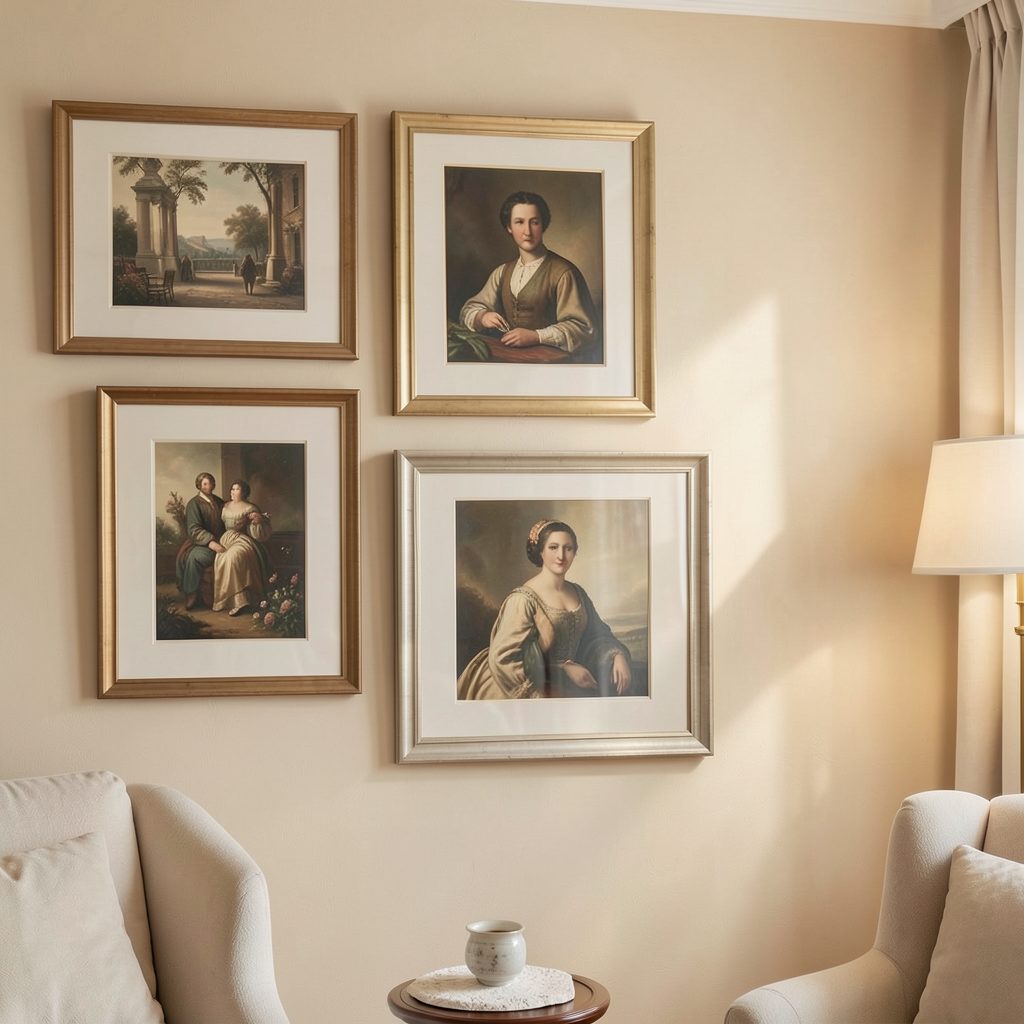
A wall of only family photos can read as cluttered or sentimental, while a wall of only fine art prints can feel cold and impersonal. The sweet spot sits between the two, where each piece gains meaning from its neighbour. A black-and-white print of a yawning wombat by a contemporary wildlife photographer sits comfortably beside a candid beach shot from a family holiday on the Mornington Peninsula. The contrast in style keeps the eye moving, while the shared warmth of subject matter anchors the arrangement.
For Australian households, this approach mirrors the way we already live: relaxed, multi-layered, and unpretentious. Open-plan living areas in Adelaide bungalows or Brisbane Queenslanders often double as entertaining spaces, where guests want to see something more interesting than a blank wall. Mixing media invites conversation, encourages storytelling, and rewards a closer look. Done well, the eye cannot tell which image is personal and which is professional — only that the collection feels considered.
Choosing the right frames for visual harmony
Frame selection is where many Australians falter. The temptation is to match every frame to the timber of the floorboards or the cabinetry, but a unified frame approach quickly becomes monotonous. Instead, vary the frame profile while staying within a restrained palette. Think pale oak, brushed brass, and matte black in rotation — the same colours you might find across a range of lighting from Beacon Lighting or a rug from Armadillo & Co. Variation in width and profile adds rhythm; consistency in colour provides calm.
Mat boards offer another layer of sophistication. A museum-style mount around a smaller family photograph can elevate it to the status of a print, while a wide white border around a botanical etching signals artistic intention. When sourcing frames, consider Australian-made options from independent framers in places like Surry Hills, Collingwood, or Fortitude Valley, where custom sizing ensures each piece sits precisely within the arrangement. For inspiration on grouping your collection, discover practical gallery styling that demystifies spacing and sightlines.
Curating the wall: layout strategies for open Australian living
The classic salon-style hang, with frames clustered edge-to-edge from skirting to ceiling, works beautifully in the high-ceilinged terraces of Paddington or the double-storey homes of Perth's Cottesloe. For apartments with lower ceilings — common in newer Sydney and Melbourne developments — a horizontal band of frames along a single wall keeps things grounded. Whatever the layout, treat the grouping as one large artwork rather than many small ones. Tape out the arrangement on the floor first, then photograph it from above to test balance before committing to the wall.
Sightlines matter in open-plan spaces where the living area flows into the kitchen or dining zone. Frames hung at 145 to 150 centimetres to the centre align with the average seated eye level of an Australian adult, allowing everyone — from visiting rellies in the kitchen to kids sprawled on the sofa — to enjoy the wall equally. Leave at least five centimetres between frames for breathing room, and resist the urge to fill every gap. Negative space is what separates a considered gallery wall from a busy noticeboard.
Australian artists worth displaying alongside family snaps
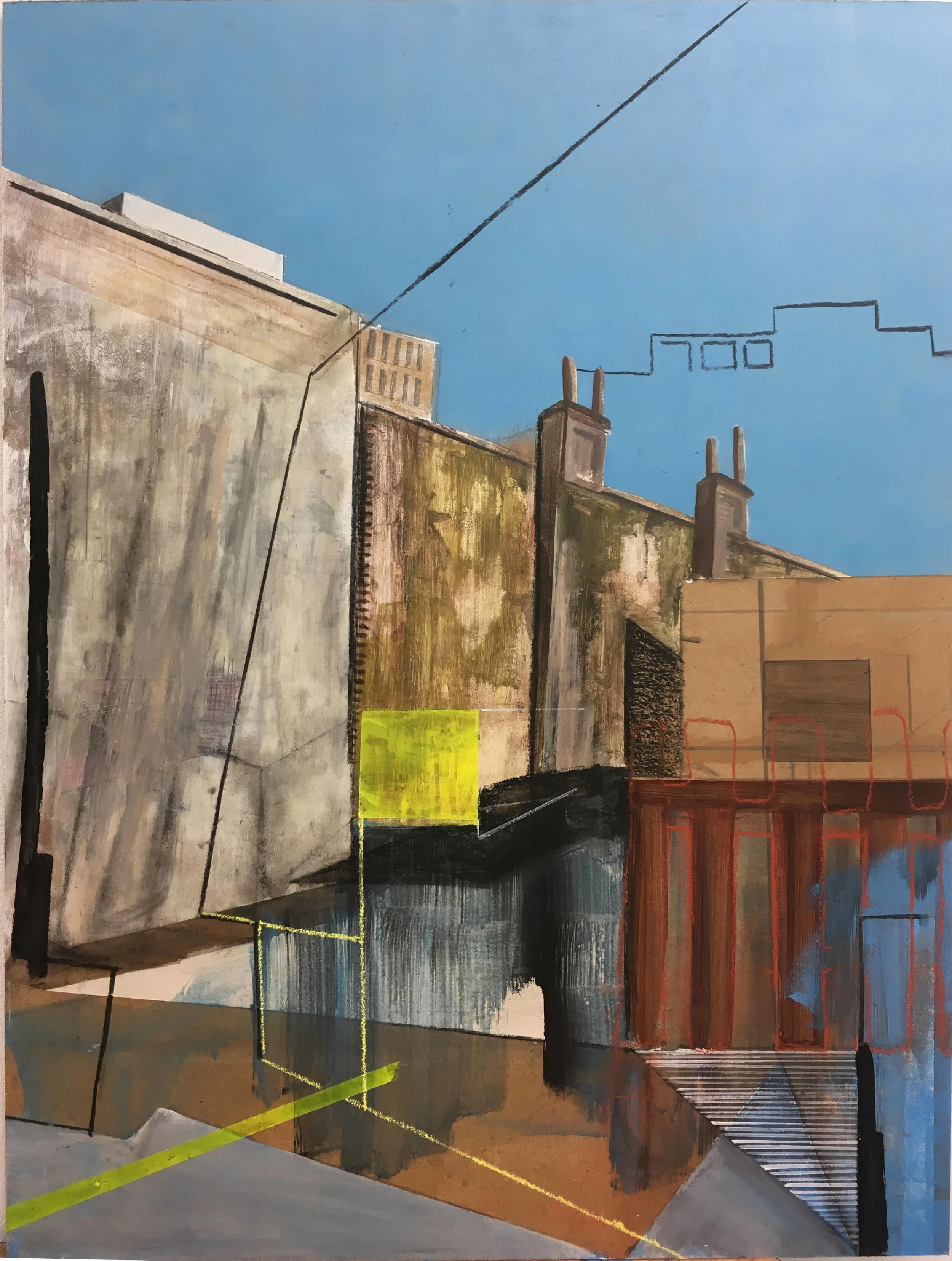
Pairing personal photography with work by Australian artists adds geographic and cultural resonance to the wall. A vibrant abstract inspired by Emily Kame Kngwarreye sits comfortably beside a candid shot of children at the local pool in summer. Margaret Olley's still-life compositions — golds, whites, and citrus tones — complement golden-hour family portraits from a backyard barbie. For something more contemporary, prints by Sydney-based illustrators or Melbourne street artists add a modern note.
When visiting institutions like the National Gallery of Victoria, the Art Gallery of New South Wales, or the Queensland Art Gallery, photograph the works that resonate, then search for authorised reproductions online. Many regional galleries, including the Mornington Peninsula Regional Gallery and the Tasmanian Museum and Art Gallery, offer limited-edition prints that bring a sense of provenance. For access to a curated library of frames and prints ready to hang, browse the best online galleries shipping Australia-wide.
Where to source prints and photographs locally
Australian photographers and printmakers have flourished online, offering everything from archival landscapes of the Kimberley to architectural prints of Adelaide's heritage facades. Platforms specialising in emerging local talent, alongside retail favourites such as West Elm, Domayne, and the homewares offerings at David Jones, stock a mix of original works and high-quality reproductions. For frame sourcing, smaller studios in places like Chippendale, Brunswick, and West End offer bespoke cutting that suits unusual dimensions.
When commissioning family portraits or selecting fine art, prioritise archival paper and pigment-based inks. These resist fading under the harsh Australian sun, which streams through north-facing windows throughout the year. A UV-protective glazing is a wise investment in apartments where floor-to-ceiling glass is becoming standard. Rotate the display seasonally if you have a deeper archive of family images, refreshing the wall with holiday cards, school photos, or wedding portraits to keep the arrangement alive.
Practical pointers for a memorable mix
- Establish a unifying thread, whether it's a colour palette, a recurring subject, or a consistent frame finish.
- Alternate scale generously, anchoring the arrangement with one or two larger pieces and filling in with smaller prints.
- Lean toward black-and-white family photographs when bold colour artworks dominate, or vice versa.
- Vary the frame depth and width, keeping only the colour story consistent across the wall.
- Edit ruthlessly — if a frame does not earn its place, swap it for something stronger.
- Photograph the final arrangement in natural daylight, then again at night, to check that nothing disappears under artificial light.
- Trust your instinct — a wall that reflects the people who live behind it will always feel right.
Begin curating your own walls with intention today. Subscribe to Focus LDN for weekly inspiration on gallery-style interiors, frame styling, and the art of living beautifully at home. New journal entries arrive in your inbox every Thursday, alongside subscriber-only guides to arranging art in Australian homes of every size and style.