Best art placement behind a tall headboard
The best art placement for a wall behind a tall headboard depends less on a single rule than on proportion, sightlines and the architecture of the bed. A graphic that looks striking in a showroom can feel cramped above a high upholstered panel, while one modest piece can disappear against the wall. For broader home styling advice, begin with the room as a whole, then treat the artwork as part of its visual hierarchy.
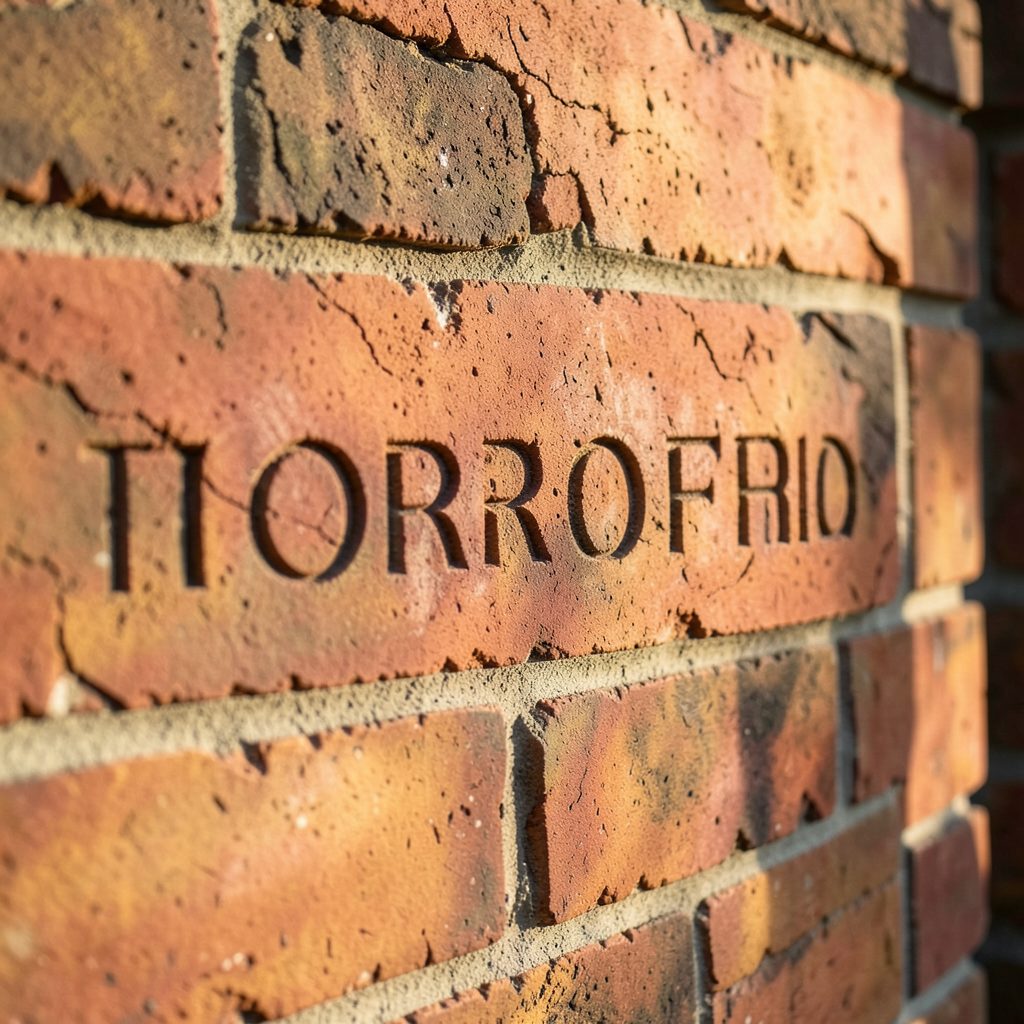
Australian bedrooms make this especially practical because architectural formats vary widely. A narrow Sydney terrace may have a slim wall and a 1500 mm king bed close to it, while a converted Melbourne warehouse can offer exposed brick, high ceilings and a larger blank surface. Brisbane apartments bring stronger light and humidity, and many Australian tenants must obtain landlord or strata approval before fixing pieces to a common wall.
Instead of asking whether the artwork should be centred, decide what it should do. One large work can give a high headboard greater presence, a pair can make the bed feel wider, and a triptych can add rhythm to a tall, narrow wall. The right result should look deliberate from the doorway and restful from the pillows.
Measure the wall before selecting artwork
Start with measurements, not a picture size. Note the bed and headboard width, the distance from the headboard top to the ceiling, the wall’s full width and any pendant, sconce or power point. Mark the proposed artwork on paper with masking tape, then view it from the doorway and while sitting up in bed.
For a single work, a width roughly two-thirds to three-quarters of the headboard often looks balanced. A grouped arrangement can follow the same overall footprint. Keep about 15 to 30 cm above the headboard, adjusting for the bed’s visual bulk and the artwork’s weight; a dark timber headboard usually tolerates less empty space than a pale upholstered one.
Match the composition to the headboard
Match the composition to the headboard’s silhouette. A tall vertical print or canvas can counterbalance a high panel, a wide horizontal work can soften an oversized slab, and two equally sized pieces can echo a symmetrical bed. With Australian king beds often measuring 1500 mm wide, double-check the actual frame and mattress size rather than relying on nominal bed dimensions.
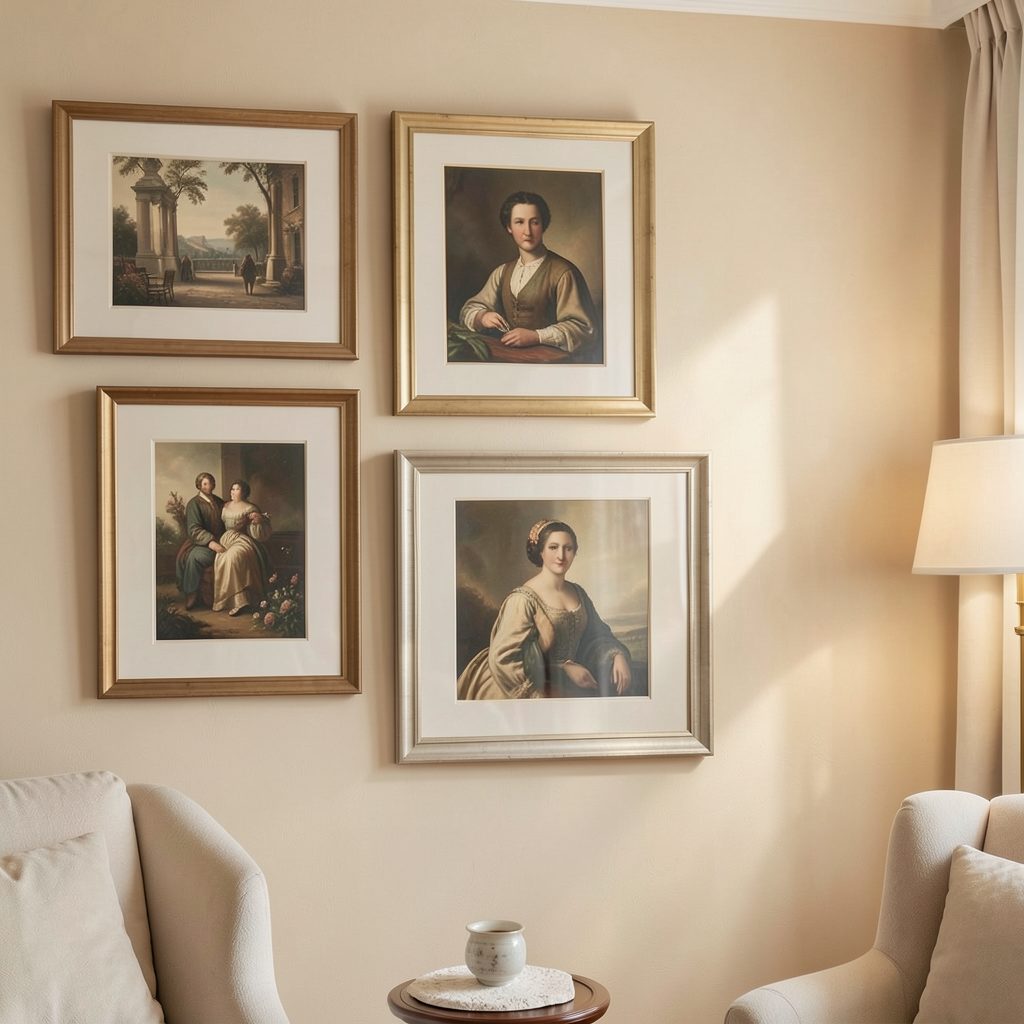
For a less formal look, mixing artwork can bring warmth and personality, provided the pieces share a quiet visual link. The guide to mixing artwork explains how to balance scale, colour and frame finish without making the arrangement feel accidental. Above a tall headboard, repeat one border colour, mat width or timber tone across the group.
Set the height for how the room is used
Set the height against the way the room is used. The artwork’s visual centre should sit near the eye line of someone sitting against the pillows, while its bottom edge needs breathing room above the headboard. Leave clearance for reading lamps and avoid placing the lowest point where bedding or a person in bed will obscure it.
High ceilings do not automatically require higher hanging. If the gap between the bed and ceiling feels generous, a larger composition can fill the wall; if it feels compressed, a narrower group with stronger vertical lines will feel calmer. Check the view from several angles, including from the foot of the bed.
Coordinate frames, finishes and colour
Let the frame support, rather than compete with, the artwork. Matte black frames give crisp definition, natural timber can warm a painted wall, and a painted frame can blend into a monochromatic scheme. Echo one colour from the frame in the bedding or bedside table, but avoid matching every element so tightly that the wall feels rigid.
The Australian market offers plenty of A-series prints and work from local artists, with independent framers able to adjust glazing, mats and fixings to unusual dimensions. When buying original work by an Aboriginal or Torres Strait Islander artist, source it through the artist or a reputable gallery and follow their preferred framing and display guidance.
Plan for light, weather and apartment rules
Lighting should reveal texture without flattening it. A warm LED spotlight at roughly 2700K creates a bedroom atmosphere, while a narrow beam can wash a textured canvas without producing glare on glass. Aim the lamp from slightly above and away from the artwork, and use a dimmer so the wall remains soft after dark.
Consider the room’s exposure before choosing glazing or fixings. In Brisbane and other humid coastal areas, stable hanging and conservation-grade materials help protect paper and frames from moisture; in sunnier interiors, UV-filtering glazing reduces fading. In Sydney terraces and Melbourne warehouse conversions, confirm that drilling is permitted and use anchors appropriate to brick, timber or metal.
Choose the layout that suits your room
Use these layouts as a starting point, then adjust them to the bed, wall and art you already own:
- Choose one oversized artwork with a clean border if the headboard is broad and visually dominant.
- Hang a matched pair when you want symmetry and a calmer, more traditional bedroom.
- Build a triptych to add vertical rhythm while giving a tall wall a stronger focal point.
- Combine two contrasting pieces when the collection has a collected-over-time character.
- Try a vertical stack in a room with generous ceiling height and substantial wall space.
- Keep the wall intentionally spare when the headboard has strong colour, texture or carved detail.
Tape each option on the wall and live with it for a day. The best arrangement will make the headboard feel connected to the room, preserve the bed as the focal point and avoid the crowded look often caused by choosing artwork before checking scale.
Begin by measuring the wall and photographing the headboard from the foot of the bed; those two records make it easier to compare sizes when shopping. Collect references, test the composition with paper, and buy the piece that suits the architecture rather than one that simply fills the gap.
Explore Focus LDN and subscribe to its email updates for practical guidance on artwork, gallery walls and stylish apartment interiors.