The Benefits of a Rotating Art Subscription for Your Home
A home can feel beautifully furnished and still become visually familiar. The same prints remain in the same frames, seasonal decor is packed away, and the walls gradually fade into the background. A rotating art subscription offers a simple way to keep your rooms expressive without requiring a major redesign every few months.
This service typically delivers original artwork, limited-edition prints, or curated pieces on a scheduled basis. Depending on the provider, you may receive new work monthly, quarterly, or several times a year, with options to return, exchange, or purchase the pieces you love.
For apartment dwellers and design-conscious homeowners, the appeal goes beyond novelty. Rotating wall art can support a more flexible decorating style, encourage regular engagement with artists, and make a gallery-style interior feel alive rather than fixed.
A Fresh Look Without A Full Redecoration
Changing artwork has a remarkable effect on the atmosphere of a room. A softly coloured landscape can make a bedroom feel calmer, while graphic shapes or saturated tones can give a living area more energy. Swapping one framed piece may shift the mood of an entire wall without moving furniture or repainting.
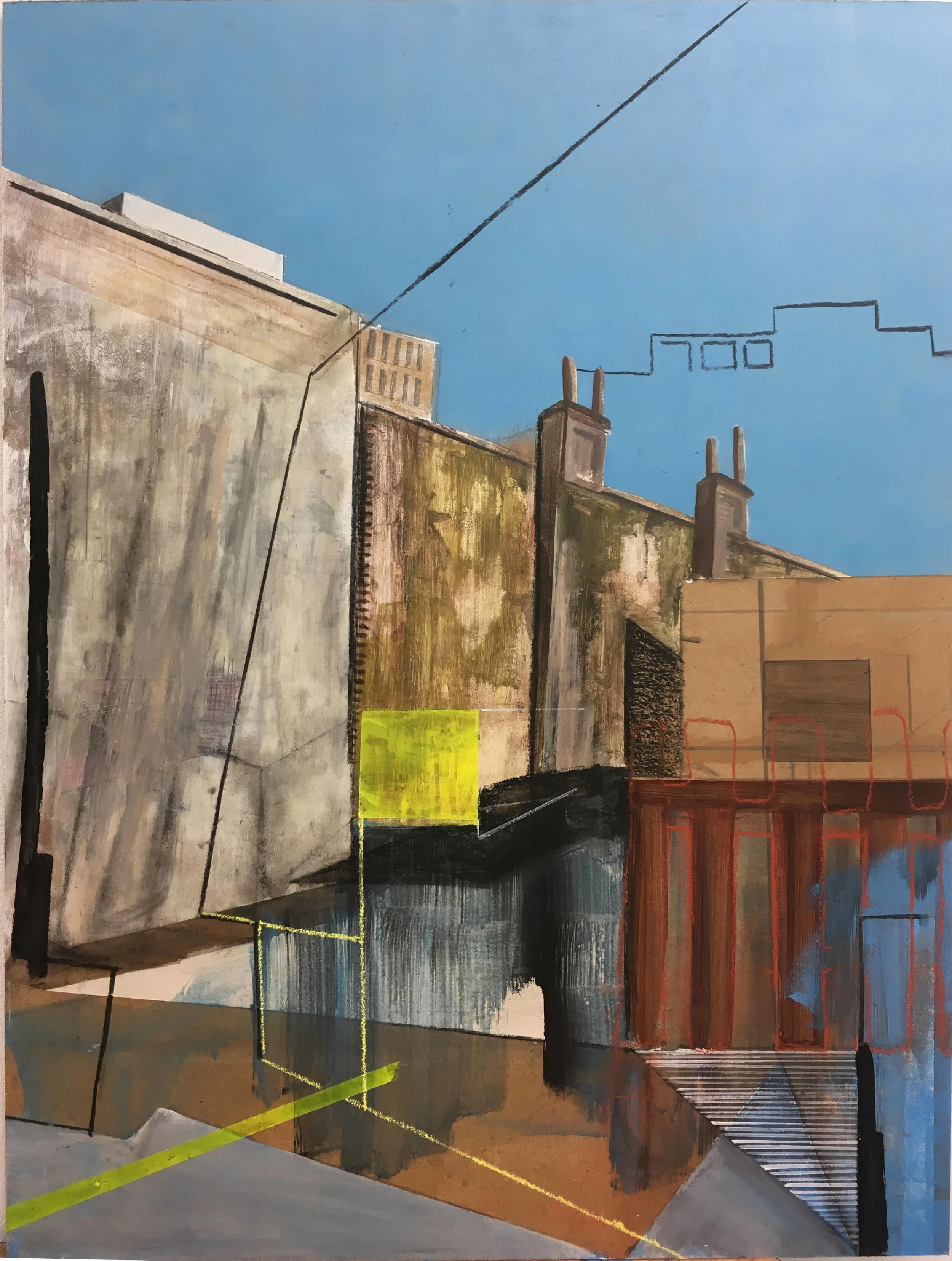
This approach is especially useful in compact homes, where large decorating projects can be disruptive. A new artwork subscription provides visual change within a controlled footprint. It also allows you to experiment with styles that might feel too risky as permanent purchases, such as abstract compositions, photographic prints, or richly patterned mixed-media pieces.
Seasonal rotation can add another layer of intention. Warm earth tones and textured works suit autumn and winter, while lighter botanical prints, coastal imagery, or bright colour blocks can refresh a spring and summer scheme.
More Variety For A Curated Home
A subscription creates a steady opportunity to discover artists and formats outside your usual preferences. Instead of buying the same familiar style, you may encounter emerging illustrators, printmakers, photographers, or painters whose work expands your understanding of what belongs in your home.
The key is to treat each delivery as part of an evolving collection. New pieces do not need to match perfectly. Repeated colours, similar frame finishes, or a consistent subject can create cohesion while allowing contrast in scale and medium. This is the principle behind many successful gallery walls: harmony comes from relationships, not identical artwork.
Rotation also prevents a collection from becoming visually crowded. A smaller selection can be displayed at once, while other pieces are stored safely and brought back when the room needs a different emphasis.
A Flexible Alternative To Buying Artwork
Purchasing original art can be rewarding, but it may involve a substantial upfront cost and uncertainty about scale, placement, or long-term taste. A rotating subscription spreads the expense over time and makes it easier to test an artwork in its intended setting.
| Feature | Rotating Art Subscription | Buying Individual Pieces |
|---|---|---|
| Initial cost | Usually distributed through recurring payments | Paid upfront |
| Variety | Regular access to changing artwork | Depends on each purchase |
| Flexibility | Often includes exchanges or returns | Less flexible after purchase |
| Discovery | Introduces new artists and styles | Requires independent research |
| Ownership | May vary by provider | Artwork belongs to the buyer |
| Best for | Experimenting and refreshing interiors | Building a permanent collection |
Before joining, check the details carefully. Some services offer rental-only arrangements, while others credit subscription payments toward ownership. Review delivery fees, insurance, return windows, frame options, and cancellation terms so the plan fits your decorating habits.
Better Proportions And Layered Styling
Regular artwork changes encourage closer attention to scale. A piece that looked too small above a sofa may work beautifully in a narrow hallway, while a large canvas could become the anchor for a dining area. Moving art between rooms helps you understand the proportions of your home and refine your display choices.
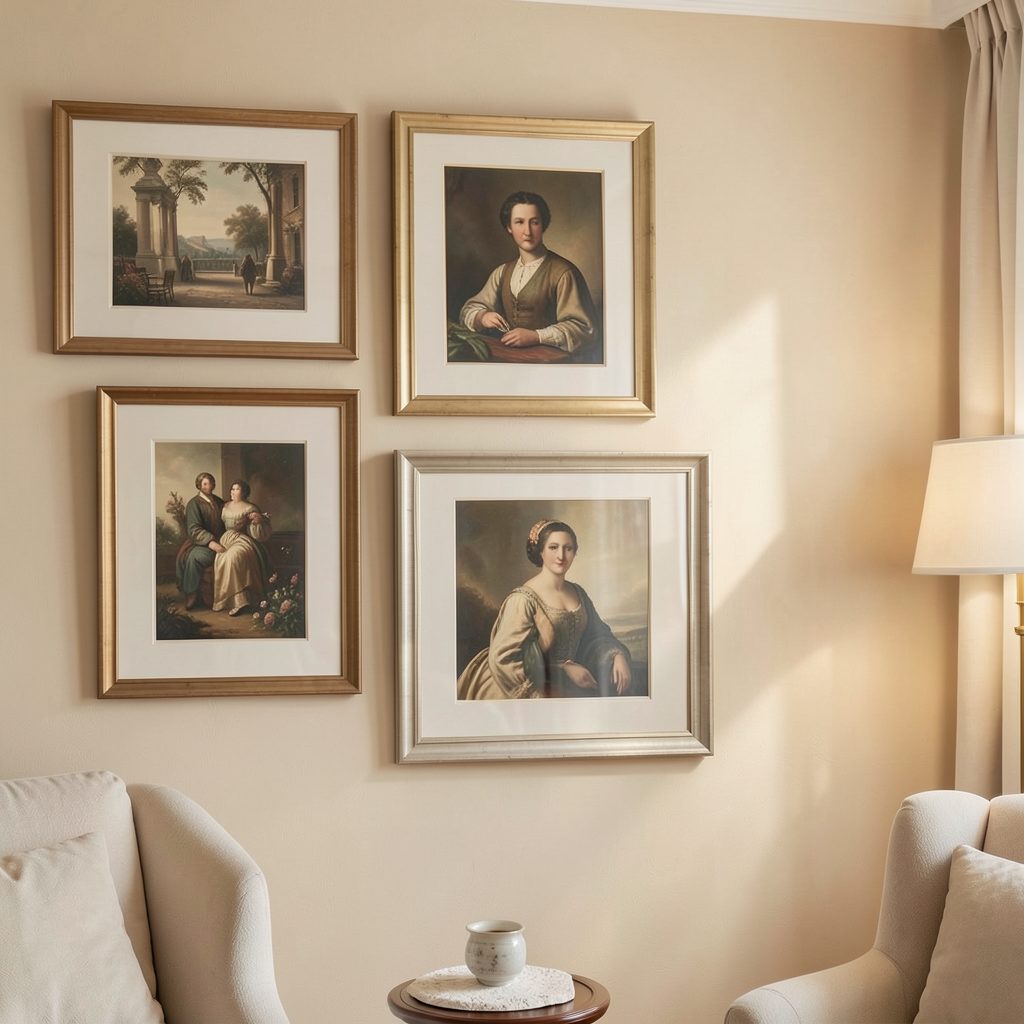
Rotating pieces can also support a layered gallery wall. Keep the main structure consistent by using a common frame colour or hanging system, then change one or two artworks at a time. For a softer finish, pair art with textiles and accessories; a considered arrangement of rugs and decor can echo the colours and textures found in the latest artwork.
This method avoids the overly coordinated look that can make a room feel staged. A restrained base, supported by changing visual accents, gives the home personality while preserving a clean and minimalist atmosphere.
A More Engaging Relationship With Art
When art arrives periodically, it becomes part of the rhythm of home life. Unwrapping a new piece, reading about its creator, and deciding where it belongs can be a meaningful domestic ritual. The artwork gains context rather than functioning as a purely decorative object.
It may also encourage more thoughtful observation. A painting that seems quiet at first can reveal detail over time, especially when it is displayed in a room used every day. Rotating pieces gives you the chance to revisit artists and compare how different works affect your mood, routines, and sense of space.
For households with children or guests, changing art can create opportunities for conversation. A new print can inspire discussion about colour, place, technique, or personal interpretation, making the home feel connected to a wider creative community.
Practical Ways To Make Rotation Work
A little planning keeps the process enjoyable and protects the artwork. Choose a designated storage location away from damp, direct sunlight, and temperature changes. Keep original packaging when possible, and label each piece with its artist, dimensions, and preferred display location.
Create a simple rotation calendar based on your household schedule rather than changing everything randomly. Quarterly swaps are often enough to make a noticeable difference, while smaller apartments may benefit from changing just one focal piece at a time.
Use these principles when selecting and displaying subscription artwork:
- Choose a visual thread, such as warm neutrals, botanical subjects, or black-and-white photography.
- Measure the wall and nearby furniture before selecting artwork or frame sizes.
- Keep hooks, rails, and hanging hardware consistent to simplify exchanges.
- Photograph successful arrangements so they can be recreated later.
- Explore display ideas through a practical gallery wall guide before combining several new pieces.
Choosing A Service That Suits Your Style
The best provider should offer enough curation to make discovery easy while leaving room for personal choice. Look for subscription profiles, style filters, artist information, and clear images of the available work. A good service should explain whether each delivery is an original, an open-edition print, or a limited edition.
Consider how the artwork will arrive. Carefully packaged, ready-to-hang pieces make rotation much simpler, particularly for renters or anyone who does not want to organise framing independently. Flexible exchange policies are equally valuable because an artwork can look different in your home from how it appeared online.
Pay attention to the overall design language of the service. If your interior is minimalist, seek refined compositions and restrained frames. If your rooms are eclectic, a provider with bold colour, varied media, and unusual formats may offer a more rewarding selection.
A rotating collection turns the walls of your home into an active part of its character. Explore subscription options, prepare a simple display system, and choose a first piece that gives your everyday rooms a fresh point of view.