The art of hanging a single large statement piece in a narrow hallway
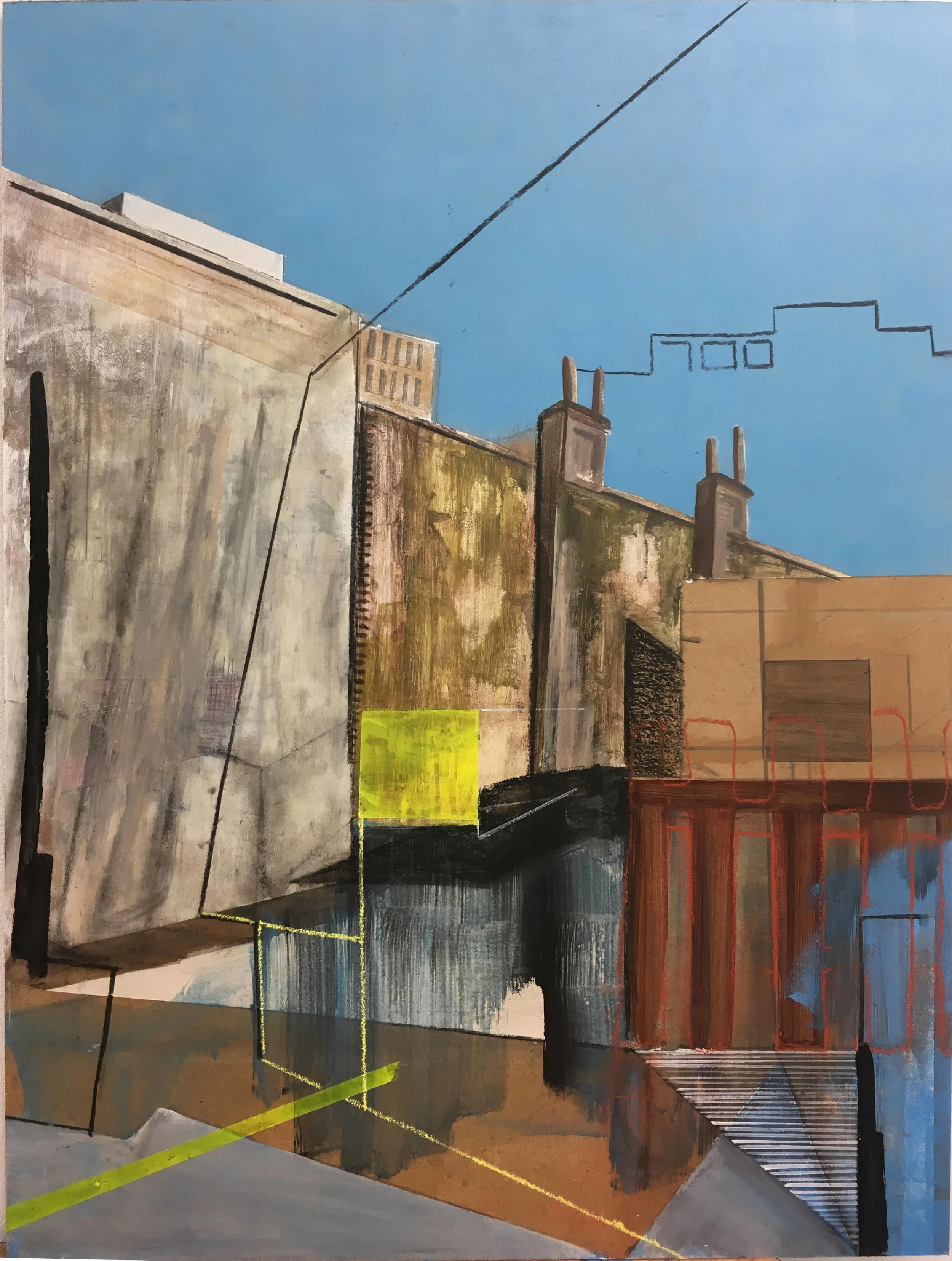
A narrow hallway can feel like an awkward in-between space: too slim for substantial furniture, yet too visible to leave undecorated. One carefully chosen artwork can change that balance. A dramatic painting, oversized photograph, or textured textile gives the passage a clear visual identity without making it feel crowded.
The key is restraint. When a hallway has limited width, a single large statement piece often creates greater impact than a collection of small frames. It gives the eye one confident focal point and allows the surrounding architecture to remain calm.
Successful hallway styling depends on proportion, sightlines, lighting, and the relationship between the artwork and its frame. With a few deliberate choices, a blank corridor can become a gallery-style transition between rooms.
Read the hallway before choosing art
Begin by measuring the uninterrupted wall rather than the entire hallway. Note the distance between door frames, light switches, radiators, and corners. These details determine the maximum width of the artwork and help you avoid a piece that competes with practical features.
Stand at both ends of the corridor and observe the first sightline. The artwork should be visible from the entrance or the adjoining room, but it should not block movement or appear squeezed between trim. If the wall is long and narrow, a portrait-oriented canvas may echo the hallway’s proportions. A landscape format can work well when there is a generous horizontal stretch.
Consider the natural light at different times of day. Direct sunlight can fade delicate pigments, while a dim corridor may need a brighter palette or dedicated picture lighting. A reflective glass frame can also create glare, so test the position before making permanent holes.
Select scale, subject, and visual weight
The best oversized hallway art usually fills the wall with confidence while preserving breathing room around its edges. Aim to leave a visible border of wall on all sides, particularly near door casings and corners. A piece that is too small loses its intended drama; one that is too large makes the passage feel narrower.
Choose a subject that rewards repeated viewing. Abstract art works well because its shapes and colours can be read quickly as people pass, while a figurative work or architectural photograph can add a stronger narrative. Soft, spacious compositions tend to make a tight hallway feel more open. Deep tonal contrast creates drama, but use it carefully if the corridor has little natural light.
The artwork should also relate to the rooms it connects. It does not need to match every colour in the home, though a shared accent shade, material, or mood will create continuity. For ideas on blending different visual languages, explore abstract and figurative art without losing a cohesive atmosphere.
Pair the piece with the right frame
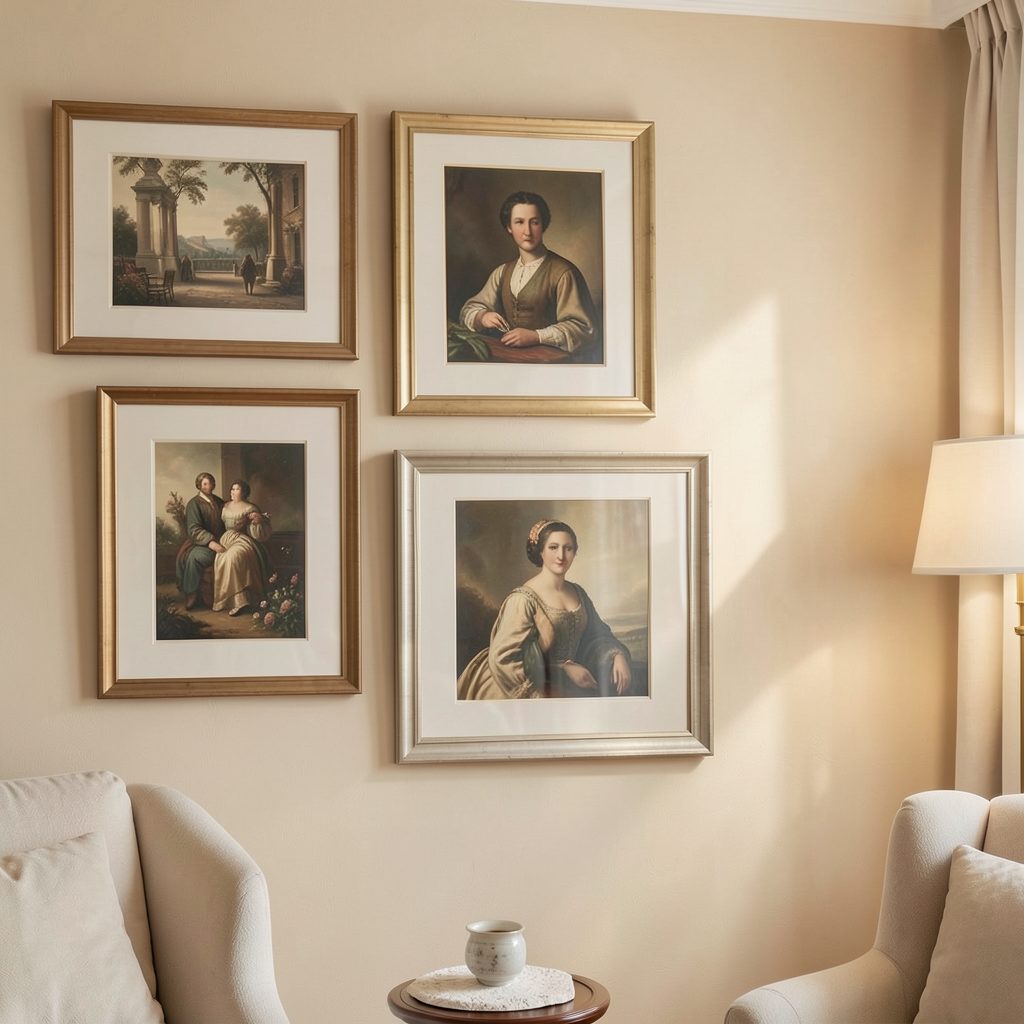
A frame changes the perceived scale and character of a large work. A slim black profile gives an abstract print a crisp, contemporary edge, while a warm wood frame brings softness to a white or neutral hallway. Ornate moulding can work in a period property, especially when it echoes existing skirting boards, cornices, or door details.
Keep the wall finish in proportion to the artwork. Matte paint reduces glare and gives saturated colours a grounded appearance. Pale shades reflect more light and help a narrow corridor feel open, while a darker wall can create a sophisticated enveloping effect. If you choose a bold paint colour, let the artwork provide either a considered contrast or a quieter tonal counterpoint.
| Artwork choice | Best hallway effect | Frame direction | Lighting note |
|---|---|---|---|
| Airy abstract print | Makes the corridor feel lighter | Slim white, natural wood, or pale metal | Use soft ambient light |
| High-contrast photograph | Creates a dramatic focal point | Black or dark-stained wood | Avoid reflective glazing |
| Textured textile or mixed media | Adds warmth and tactile interest | Deep box frame or floating frame | Use angled picture lighting |
| Figurative painting | Gives the hallway personality | Frame that echoes the home’s period | Keep nearby surfaces simple |
Hang it at a natural viewing height
For most hallways, the centre of the artwork should sit around eye level, usually with the midpoint between 145 and 155 centimetres from the floor. Adjust this slightly if the household is unusually tall or if the ceiling is low. The goal is to make the piece feel connected to the people moving through the space rather than floating near the ceiling.
Measure from the floor to the picture hook, not just to the top of the frame. Heavy canvases and glazed works require suitable wall fixings, particularly on plasterboard. Use two fixing points for wide or weighty frames to prevent tilting whenever a door closes or the wall receives vibration.
Before drilling, create a paper template in the exact dimensions of the frame. Tape it to the wall and live with it for a day. Walk past it from different directions, check nearby doors, and view it under both daylight and evening lighting. This simple test often reveals a scale problem before it becomes a repair job.
Create a gallery-style focal point
A single artwork does not need companions to feel curated. Its presentation can supply the layered interest usually created by a gallery wall. A narrow console, sculptural sconce, or small bench beneath it may work, provided the furniture leaves a clear walking path. In especially tight corridors, keep the floor completely open and let the artwork carry the composition.
You can also build atmosphere through small details: a runner that echoes one colour in the image, a painted ceiling, or a nearby mirror positioned on a perpendicular wall. Avoid placing another dominant decorative object directly opposite the artwork, as competing focal points can make the hallway feel visually restless.
If the piece is part of a personal collection or a small exhibition project, discreet gallery labels can add a polished, museum-like touch. Use them sparingly and place them beside the work rather than underneath it if the corridor is particularly narrow.
Keep the display polished over time
Dust, fingerprints, and changing light are more noticeable when one artwork commands the entire wall. Dust the frame with a soft, dry cloth and follow the maker’s care instructions for canvas, paper, or textile surfaces. Never spray cleaner directly onto artwork or glazing.
Check the hanging hardware every few months, especially in a busy family hallway. Make sure the frame remains level and that corners have not begun to pull away from the wall. If you move house or redecorate, reassess the piece rather than automatically returning it to the same position.
- Choose one dominant visual idea and let the surrounding wall stay quiet.
- Test the artwork’s paper template from every approach to the hallway.
- Match the frame to the architecture as well as to the artwork.
- Use warm, low-glare lighting to preserve colour and atmosphere.
- For artists and collectors, consider how to submit your artwork for future display opportunities.
A well-placed oversized artwork can make a narrow hallway feel intentional, elegant, and connected to the rest of the home. Take time to measure, test, and live with the composition before committing, then let the finished piece become the visual pause that welcomes people from room to room. Subscribe to Focus LDN for more practical ideas on gallery walls, artwork display, and stylish home living.