The Art of Hanging a Single Statement Piece
A single artwork can define the atmosphere of an entire room. Rather than filling every available wall, a carefully chosen painting, photograph, textile, or sculptural object gives the eye one clear destination. This approach feels confident, calm, and especially effective in minimalist interiors.
The success of a statement display depends on more than the artwork itself. Scale, wall colour, frame style, lighting, furniture placement, and the amount of surrounding space all influence how the piece is perceived. When these elements work together, even a modest room can feel like a considered private gallery.
A strong focal point also gives your decorating scheme a sense of identity. It can introduce colour into a neutral bedroom, add architectural interest to a plain hallway, or bring character to a bathroom without making the space feel crowded.
Choose a Work With Presence
The best single-piece displays begin with artwork that has enough visual weight to hold the wall. This does not necessarily mean choosing the largest or most expensive work. A small, intensely detailed painting may command more attention than a large piece with a quiet composition.
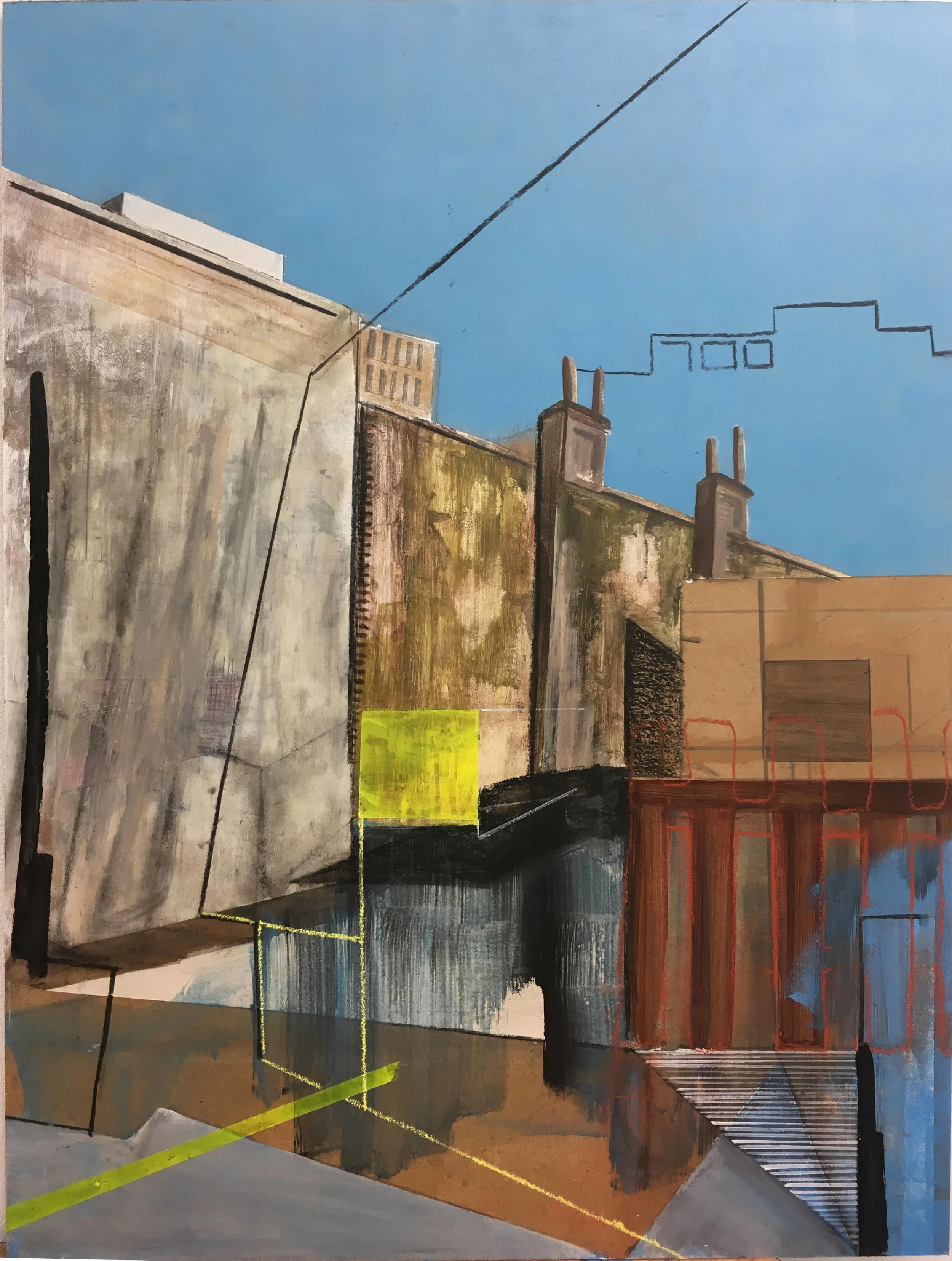
Look for an artwork with a clear point of view. Bold brushwork, an unusual subject, dramatic contrast, or a distinctive material can all create presence. If the room already contains patterned upholstery or colourful accessories, a restrained monochrome photograph may provide the right balance. In a pared-back space, a vibrant abstract canvas can become the room’s main source of energy.
Consider the emotional quality of the work as well. A serene landscape supports a restful bedroom, while a graphic print can sharpen a home office or dining area. The piece should feel connected to the way you want the room to be used, rather than selected simply because it fills an empty wall.
Let the Wall Give It Room
Negative space is an essential part of a solo artwork arrangement. Leaving generous breathing room around the piece makes it feel intentional and valuable. Crowding it between shelves, mirrors, and small decorative objects can weaken its impact.
The wall behind the artwork should support its colours and texture. Soft white, warm beige, muted green, and charcoal can make a statement piece stand out without competing with it. If the work is already highly dramatic, avoid a busy wallpaper or heavily decorated backdrop.
Surrounding architecture matters too. A large expanse above a console, fireplace, or bed often provides a natural stage. In a narrow corridor, place the piece where it can be viewed from a distance rather than forcing it into the tightest section of wall. If your artwork references buildings or handmade surfaces, exploring brick engraving ideas can also inspire a tactile, architectural mood elsewhere in the scheme.
Get the Scale and Height Right
Proportion is the detail that makes a display feel professionally installed. The artwork should relate to the furniture beneath it and to the dimensions of the wall. A tiny frame above a broad sofa may look lost, while an oversized canvas in a narrow nook can make the room feel compressed.
As a general guide, hang the centre of the artwork around eye level, usually between 145 and 155 centimetres from the floor. Above furniture, leave approximately 15 to 25 centimetres between the lower edge of the frame and the item below. These measurements are starting points rather than strict rules, so step back and assess the composition from the main viewing position.
| Location | Useful starting point | What to watch |
|---|---|---|
| Above a sofa or console | 15–25 cm above furniture | Keep the work visually connected to the furniture |
| Open wall | Centre at 145–155 cm from floor | Check the view from standing and seated positions |
| Above a bed | 20–30 cm above the headboard | Avoid making the artwork feel too low |
| Hallway or stair landing | Adjust to the sightline | Consider how people move past it |
Before drilling, cut a paper template to the size of the artwork and attach it to the wall with low-tack tape. Live with the outline for a day, viewing it in morning and evening light. This simple test can reveal whether the piece needs to move higher, lower, or slightly to one side.
Select a Frame That Supports the Art
The frame should enhance the artwork without becoming a separate focal point. A slim black frame adds definition to photography and graphic prints, while pale oak can soften contemporary work and connect it with natural furniture. Ornate frames can be effective when used deliberately, especially in rooms with period details.
Think about the relationship between the frame and the architecture. A dark frame may echo window lines, iron hardware, or a fireplace, creating subtle repetition. A floating frame can give a canvas a gallery-like finish, while a wide mount adds breathing space around a delicate print.
Lighting deserves equal attention. Position picture lights, directional wall lights, or adjustable ceiling spots so the artwork is evenly illuminated without glare. Avoid placing highly reflective glass opposite a bright window. Warm, low-intensity lighting usually makes art feel more atmospheric in the evening.
Make the Piece Belong to the Room
A statement artwork should stand apart, yet it should not appear unrelated to its surroundings. Repeat one colour from the piece in a cushion, vase, rug, or small accessory. This creates cohesion without turning the room into a matching set.
You can also connect the work through shape and material. Rounded forms in an abstract print might be echoed by a curved lamp or occasional table. A handmade textile can sit comfortably with rattan, linen, and unfinished wood. A polished modern photograph may work best alongside clean lines and restrained metal finishes.
The display can become part of a wider cultural atmosphere. If you enjoy visiting exhibitions or attending openings, practical guidance on gallery opening attire can help you think about the balance between personal style and artistic setting. Your home does not need to imitate a commercial gallery; it should reflect the way you live with art.
Keep the Display Deliberately Simple
Resist the urge to compensate for an empty wall by adding multiple small objects around the main work. A single statement piece often looks strongest when nearby surfaces are edited. One sculptural vase or a stack of books may be enough on the console beneath it.
- Measure the wall and furniture before choosing the artwork.
- Use a paper template to test placement and scale.
- Select a frame that echoes the room’s architecture or materials.
- Check the artwork in both natural and artificial light.
- Leave enough negative space for the focal point to breathe.
A restrained display also makes future changes easier. You can refresh the room by changing textiles, paint, or lighting while keeping the central artwork in place. If your interest grows into collecting, learning how galleries establish a coherent visual identity can be useful; resources on how to start an art gallery offer a broader perspective on curation and presentation.
Choose one work that genuinely holds your attention, give it a considered setting, and install it with care. Subscribe to Focus LDN for more ideas on gallery walls, artwork display, and stylish rooms designed around the things you love.