Styling a Sunroom with Artwork That Withstands Humidity
A sunroom brings daylight, greenery and an easy connection to the outdoors, but it also exposes furnishings to moisture, heat and strong ultraviolet rays. Artwork that looks perfect in a dry living room may warp, fade or develop mould when placed beside open windows and potted plants.
Styling a sunroom with artwork that withstands humidity begins with choosing stable materials and planning the room’s airflow. The most successful displays feel considered rather than overprotected: frames suit the architecture, colours echo the garden and each piece can cope with daily changes in temperature.
In Australian homes, the climate makes this especially important. A Brisbane or Cairns sunroom may stay damp after a summer storm, while a coastal Sydney property has salt-laden air and intense afternoon sun. Even in Melbourne, enclosed glass spaces can become surprisingly hot when blinds remain closed.
Artwork should also support the way the room is used. Whether the space is for morning coffee, reading or entertaining friends, leave enough room for ventilation, easy cleaning and the occasional open window. A beautiful display should never make the sunroom feel fragile or difficult to live in.
Choose Materials Made For Damp Conditions
Start with artwork printed on cotton rag paper, aluminium composite panels, sealed wood or treated canvas. These materials are generally more reliable than inexpensive fibreboard prints, which can swell when humidity rises. If you prefer original works on paper, use an archival mount and keep the piece away from direct condensation.
Frames deserve equal attention. Powder-coated aluminium, sealed timber and good-quality acrylic glazing are safer choices than untreated wood and standard glass in a room with fluctuating moisture. Acrylic is lighter and less likely to shatter, which is useful in a family home or beside a frequently opened door.
A small gap between the artwork and the wall allows air to circulate behind the frame. Avoid pressing frames tightly against cold external walls, particularly in older Australian houses where condensation can collect on poorly insulated surfaces. A discreet spacer or concealed cleat can protect the back of the work without changing its appearance.
Plan A Gallery Wall Around Sunlight
Before hanging anything, watch how sunlight moves through the room from morning to late afternoon. A south-facing window may offer softer light, while north- and west-facing glazing can expose artwork to harsh UV. Place delicate paper pieces on shaded walls, and use UV-filtering acrylic or museum glass where bright light is unavoidable.
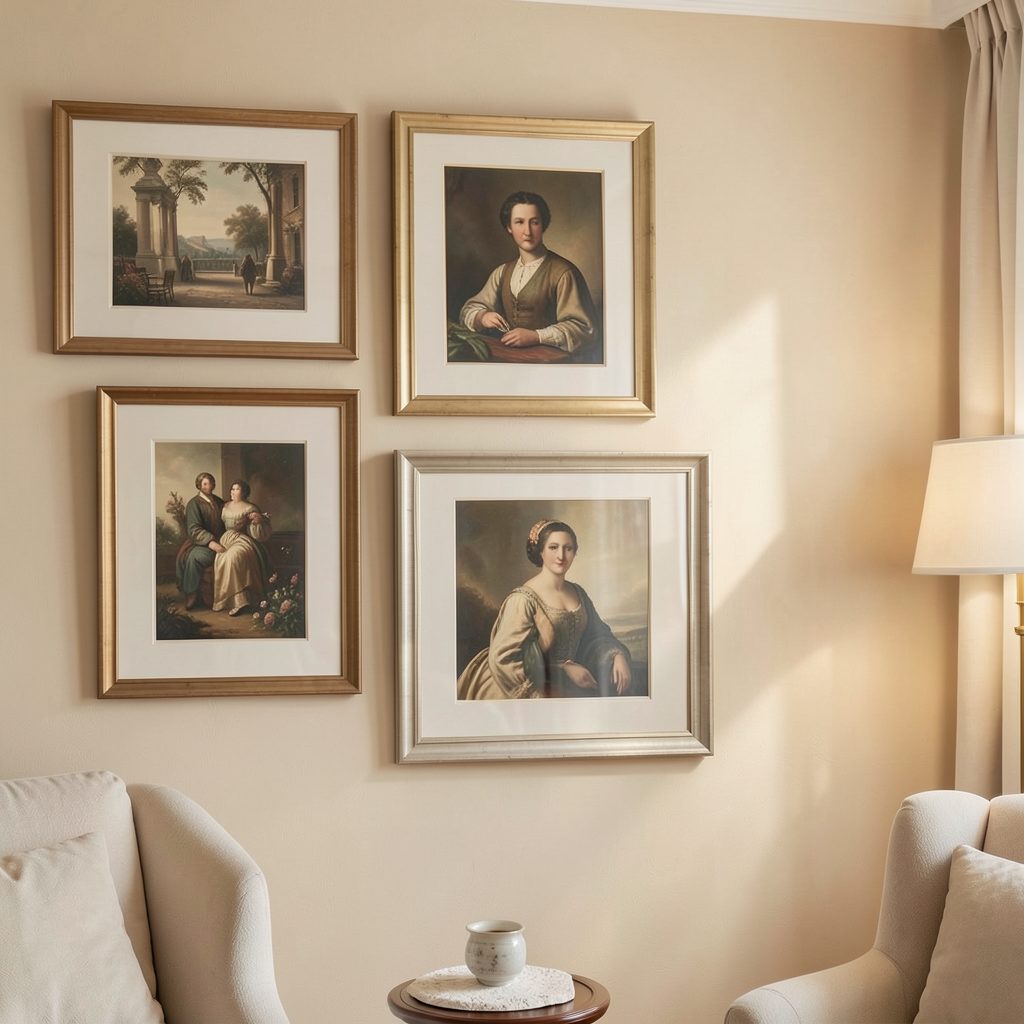
A sunroom gallery wall works best when the arrangement has a visual anchor. Begin with one larger work, then balance it with smaller botanical prints, abstract pieces or photographs in related colours. Keep the lowest frames high enough to avoid splashes from watering cans and plant pots.
For a clean, gallery-style result, use consistent spacing rather than forcing every frame into a rigid grid. Focus LDN’s gallery wall spacing guide can help you judge the gaps between different frame sizes before making holes. Lay the arrangement on the floor first, or use paper templates and removable tape.
Control Heat, Moisture And Glare
Ventilation is part of the artwork plan. Use operable windows, ceiling fans or a small dehumidifier during wet weather, and avoid positioning art directly above a humidifier or near a sink. In everyday Australian homes, opening flyscreen doors for a cross-breeze can be effective, but close them during heavy rain or when outdoor air feels saturated.
Roller blinds, sheer curtains and solar-control films reduce glare while preserving the bright character of a sunroom. Choose blinds with a high UV rating, especially in Queensland and Western Australia, where strong sunlight can bleach colours quickly. Rotate smaller framed works occasionally so one piece does not receive all the exposure.
Plants add atmosphere but can raise local humidity around the display. Keep large pots several centimetres from the wall, place saucers beneath them and wipe leaves and frames during routine cleaning. Check the back of artwork every few months for musty odours, spotting or rippling paper so minor problems can be addressed early.
Match Frames To The Room’s Architecture
Frame finishes can make a humid space feel either polished or cluttered. Pale oak, whitewashed timber and slim black aluminium suit a minimalist sunroom, while aged brass can complement terracotta pots and warm woven furniture. Keep the finish consistent across a gallery wall, but vary the artwork itself to avoid a showroom effect.
Consider the view beyond the glass when selecting colour. Soft greens, eucalyptus grey, sandstone, ocean blue and muted ochre connect naturally with Australian gardens and landscapes. A limited palette also helps sun-faded furniture and patterned cushions sit comfortably beside the art.
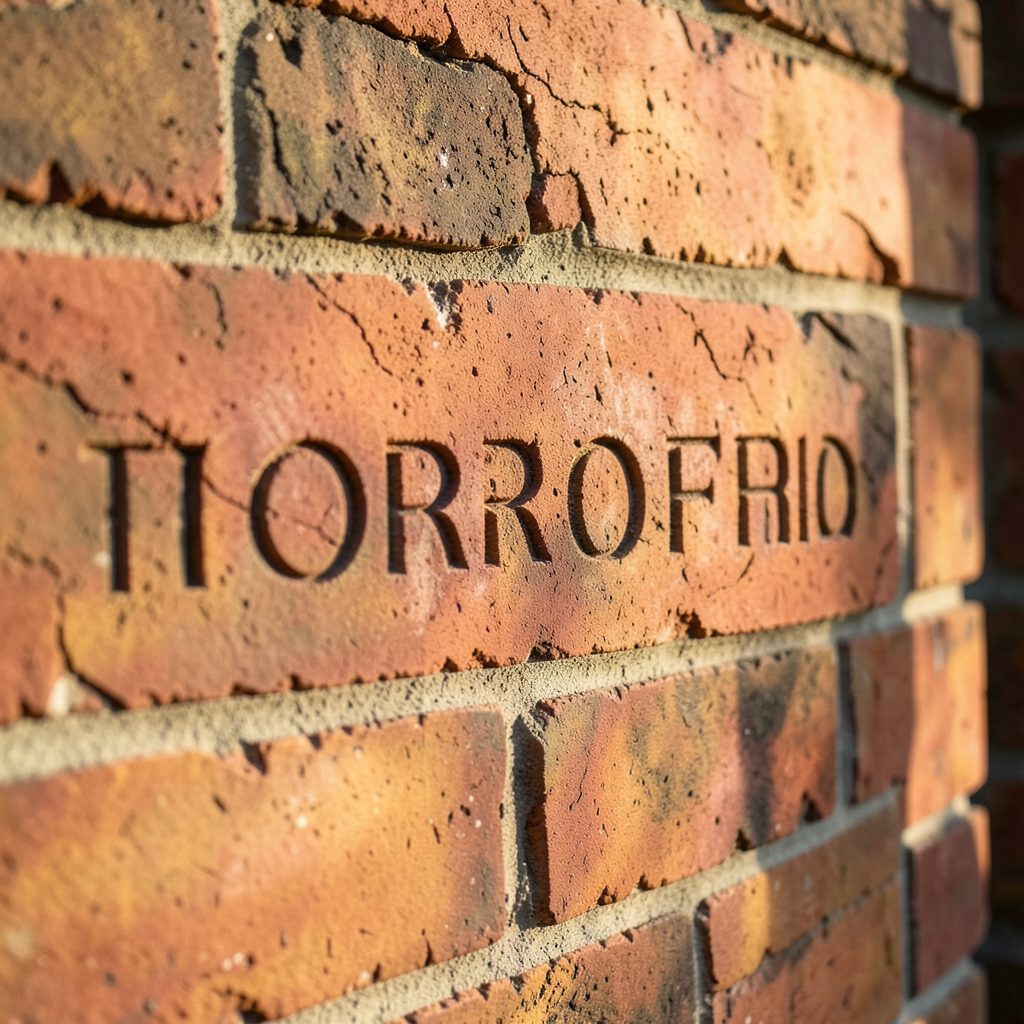
If the sunroom opens onto a courtyard or verandah, introduce one tactile element that bridges indoors and outdoors. A small panel of custom brick engraving can provide a durable architectural detail near an exterior threshold, while framed prints remain on the protected interior walls. This creates continuity without exposing paper or canvas to the weather.
Hang Safely In Rentals And Apartments
Weight and fixing methods matter in a glass-heavy room. Use appropriate wall anchors for plasterboard, masonry fixings for brick and two-point hanging for larger frames. Adhesive strips may suit lightweight prints, but heat and humidity can weaken their grip, so they should not support valuable or heavy work.
Australian renters should check the terms of their lease before drilling, particularly when installing a large gallery wall. Apartment residents also need to review strata by-laws and body corporate rules; in NSW and other states, changes affecting common property, exterior walls or balcony structures may require approval. A freestanding picture ledge or leaning arrangement can provide flexibility without permanent alterations.
For homes with children, pets or exposed edges, use shatter-resistant glazing and secure frames against movement. Keep artwork clear of heaters, evaporative coolers and doors that swing into the display. When the practical details are sound, the decorative arrangement can remain relaxed and inviting.
A sunroom can hold plenty of personality without relying on delicate materials. Select moisture-resistant surfaces, filter intense light, maintain airflow and let the surrounding landscape guide the palette. For further framing decisions, Focus LDN’s frame selection notes offer useful direction for building a cohesive display.
Subscribe to the Focus LDN email list for more practical ideas on gallery walls, frame styling and relaxed Australian home interiors. Create a sunroom display that welcomes daily life, responds to the climate and stays beautiful through every season.