Styling a bedroom with art for a romantic atmosphere you will love
A bedroom should feel like a retreat from the world, a space where the day's noise fades and something softer takes its place. Art has an unmatched ability to shape that feeling, setting an emotional tone before a single word is spoken or a lamp is switched on. For Australians seeking to weave a sense of romance into their sleeping quarters, the right combination of imagery, framing, and placement can transform even the simplest apartment bedroom into a deeply personal haven.
From the heritage terraces of Paddington to the modern apartments rising along South Yarra's Chapel Street, Melburnians have long understood that a well-curated wall tells a story. Whether you lean toward soft watercolours, moody photographic prints, or abstract pieces in dusky palettes, the choices you make above the bedframe will quietly influence how you and your partner experience the room every single night.
Setting the tone with colour and light
Romantic bedrooms rely on a careful balance between warm, low lighting and artwork that carries similar emotional weight. Soft pinks, deep burgundies, dusty roses, and muted golds tend to read as intimate without feeling overly saccharine. Pair these with a cooler counterbalance — think slate blue, charcoal, or sage — and the room gains depth. Lighting matters just as much as colour: dimmable wall sconces at roughly 150 centimetres above the floor or bedside pendant lights with warm 2700K bulbs will make prints glow rather than glare.
Australian homes are blessed with strong natural light, particularly during the long summer evenings in cities like Brisbane and Perth. Consider how the morning sun will wash across your chosen piece — south-facing walls in Adelaide cottages or Perth apartments often provide the most consistent, gentle illumination for delicate watercolours and photographs that could otherwise fade behind glass.
Selecting pieces with romantic resonance
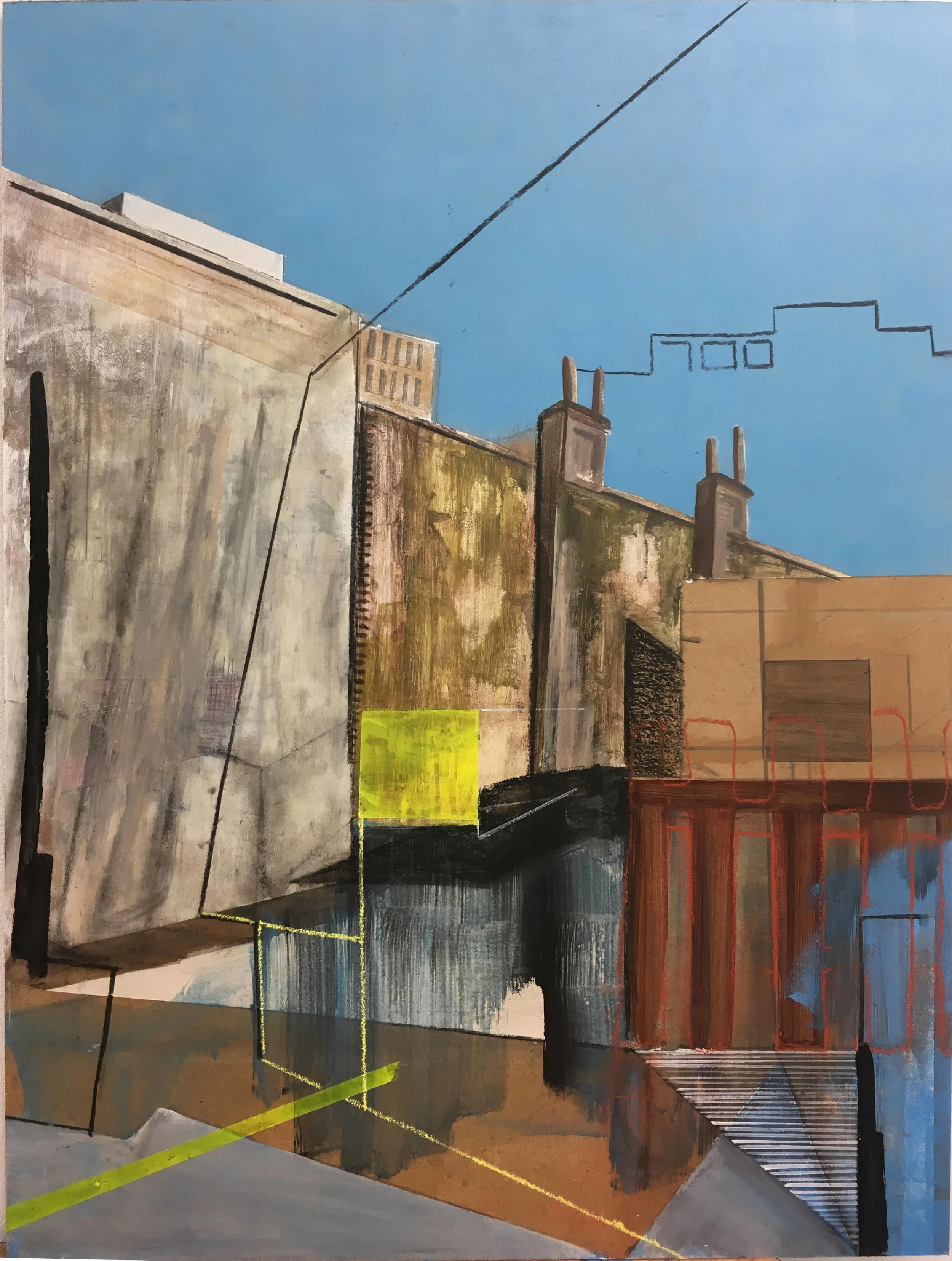
The artworks that read as most romantic rarely shout. Consider portraiture with a quiet emotional pull, botanical studies rendered in soft graphite, classical figures, or landscapes that suggest vastness and intimacy at the same time. Many Australian collectors turn to local artists such as Brett Whiteley's figurative works, the luminous landscapes of Arthur Boyd, or contemporary printmakers working in Sydney's inner west studios. Smaller regional galleries across Fitzroy and Collingwood often showcase emerging painters whose softer palettes are particularly suited to bedroom walls.
For those wanting a single point of guidance, browsing a curated selection of the best art for bedroom settings can save hours of indecision. Indigenous art, meanwhile, deserves special consideration: under Australian copyright law, works by Aboriginal and Torres Strait Islander artists are protected, and many creators prefer their work to be displayed with proper attribution and cultural context. Approached respectfully, such pieces can bring profound depth to a bedroom wall.
Arranging for intimacy and flow
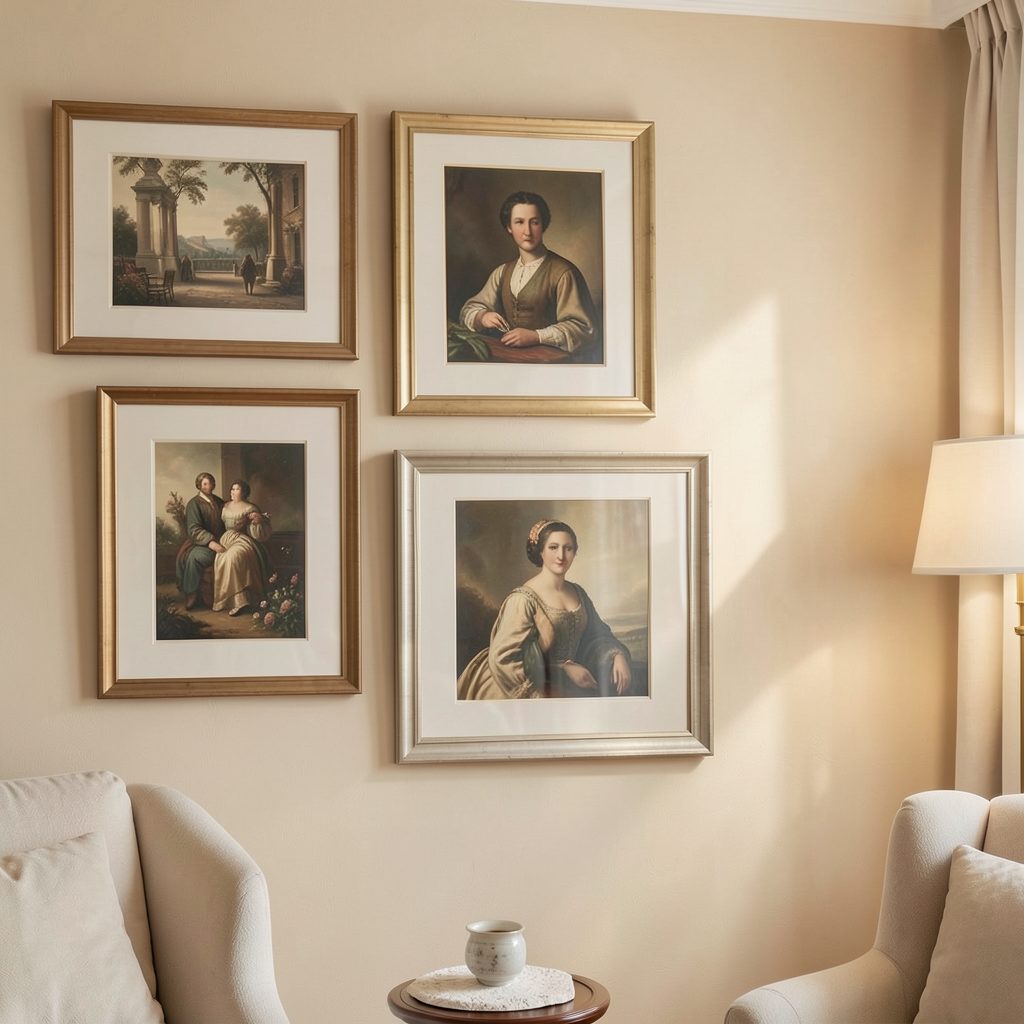
Placement is where many bedroom stylists hesitate. A piece hung too high feels clinical, while one crammed against the ceiling reads as an afterthought. The general rule for art above a bed is to position the centre of the work roughly 150 to 170 centimetres from the floor, or about 15 to 20 centimetres above the headboard if the frame is wider than the bed itself. For a series of smaller works, keep the spacing between pieces consistent, around 5 to 8 centimetres, so the eye moves gently across the arrangement rather than jumping.
Consider sightlines too. From the doorway, the wall opposite the bed is often the first place the eye lands in the morning. A diptych or a softly toned triptych works beautifully here, drawing attention without competing with the natural focal point of the bed itself.
Frames and finishes that endure
Frame choice is rarely glamorous, yet it determines whether the artwork feels cohesive with the room or pasted on as an afterthought. Thin oak, walnut, or black-stained timber frames suit most contemporary Australian interiors, while gilt edges lend a touch of formality suited to Victorian-era terraces in Melbourne's east or the worker cottages of Surry Hills. If your bedroom opens onto a balcony in a coastal suburb like Bondi or Coogee, consider moisture-resistant backing boards — salt-laden air travels further inland than many residents realise, and unprotected prints can warp within a single humid summer.
Glass quality also matters. Low-iron, non-reflective glazing keeps colours true and prevents glare from overhead lighting, particularly valuable for darker pieces that would otherwise disappear into shadow.
Single statement versus gallery wall
Choosing between a single large-scale artwork and a curated cluster of smaller pieces shapes the entire mood of the room. The right answer depends on the proportions of your space, the architecture of the wall, and the emotional rhythm you wish to create.
| Aspect | Single statement piece | Curated gallery wall |
|---|---|---|
| Best for | Tall walls, minimalist rooms, calm aesthetics | Shorter walls, eclectic interiors, evolving collections |
| Visual weight | Bold and decisive | Layered and conversational |
| Cost over time | Higher initial outlay, slower to change | Lower per piece, easier to rotate |
| Sense of romance | Quiet, contemplative, hotel-like | Personal, lived-in, storytelling |
| Maintenance | Easier to dust and rearrange | More time-consuming to balance |
For a truly romantic feel, a single oversized work tends to feel more intentional, while a thoughtfully curated wall reads as intimate and collected. The team at Focus LDN often advise clients visiting exhibitions to notice how the gallery opening attire of visitors signals the kind of space they have stepped into — a reminder that the room's styling and the art on its walls are never entirely separate conversations.
Personal touches and final considerations
The most romantic bedrooms feel like they belong to someone specific rather than anyone in general. A vintage photograph found at a Sunday market in Camberwell, a sketch made by a partner on holiday in Tasmania, or a piece of textile art purchased from a Brunswick studio all carry meaning that mass-produced prints cannot replicate. Strata regulations in many Australian apartment buildings require approval before drilling into concrete or rendered walls, so renters should plan around removable picture hanging strips or modular rails that leave no permanent trace.
Recommendations worth carrying forward
- Position artwork centres 150 to 170 centimetres from the floor, or 15 to 20 centimetres above the headboard.
- Choose warm 2700K bedside lighting and dimmable fixtures to make prints glow rather than glare.
- Use low-iron, non-reflective glazing to keep colours accurate under artificial light.
- Opt for moisture-resistant backing boards in coastal or humid suburbs.
- Curate pieces that hold personal meaning, even when sourced from local weekend finds rather than established galleries.
If a bedroom wall has felt uninspiring lately, consider it an open canvas. Begin with one piece that genuinely moves you, build slowly, and let the room evolve into the romantic retreat it was always meant to be. Subscribe to Focus LDN for more ideas on bringing art into every corner of the home, and share the artworks that have shaped your own spaces in the comments below.