Mirrored Art to Brighten and Open Up Your Bathroom
Australians are increasingly turning to clever design tricks to make the most of compact bathrooms, whether they live in a Sydney apartment with limited natural light or a renovated Queenslander in Brisbane where the original layout leaves little room for a freestanding vanity. With property prices still high in capital cities and rental stock often featuring smaller footprints, homeowners are looking for ways to amplify daylight without committing to major structural changes. Mirrored art has emerged as a stylish answer that does far more than simply perform a practical function on the wall.
Rather than settling for a standard rectangular mirror above the basin, designers are treating reflective surfaces as decor in their own right. Antique-inspired glass, gently etched panels, and pieces framed like artworks can transform a bathroom into a gallery-like retreat while bouncing available light around the room. The approach suits the relaxed, layered aesthetic many Australian interiors now embrace, blending coastal influences with European-inspired detailing.
Why mirrored art changes the feel of a compact bathroom
A plain mirror reflects whatever sits opposite it, but a piece of mirrored art can shape how the eye moves through a space. When the surface is set within a distinctive frame or paired with decorative etching, it becomes a focal point rather than a utilitarian object. The room feels more curated, almost like a hotel ensuite or boutique display, which suits the bathroom trends seen in renovated terraces across Melbourne's inner suburbs.
Mirrored art also amplifies both natural and artificial light. In north-facing bathrooms in Adelaide or Perth, the harsh midday sun can be tempered by choosing an aged or softly tinted glass, while darker rooms in heritage homes in Hobart benefit from the way reflections extend the sense of daylight. Combined with a warm pendant or wall sconce, the result is a gentle glow that makes the room appear larger than it really is.
Choosing the right size and shape for your wall
Scale matters more than most people realise. A small round mirror lost above a wide vanity creates a pinched, awkward look, while a piece that stretches almost the full width of the wall can overwhelm a tight floor plan. A useful rule is to keep the mirror or mirrored art within ten centimetres of either side of the basin, and to match its height roughly to the eye line of the household's shortest regular user.
Shape can also change the mood. Arched tops lend softness to bathrooms with high ceilings, which is common in older Adelaide villas and Sydney semis, while clean rectangles suit minimalist renovations in new Brisbane apartments. Round and oval shapes work beautifully above pedestal basins, where they soften the visual weight of exposed plumbing.
Placement strategies that work with Australian light
Where a mirror hangs can be just as important as which one you choose. Positioning a mirrored panel opposite a window ensures that greenery, sky, and outdoor views are pulled into the room, doubling the sense of openness. In homes where the only window sits above the shower, hanging a tall, narrow mirrored art piece on the perpendicular wall helps light travel further into the space.
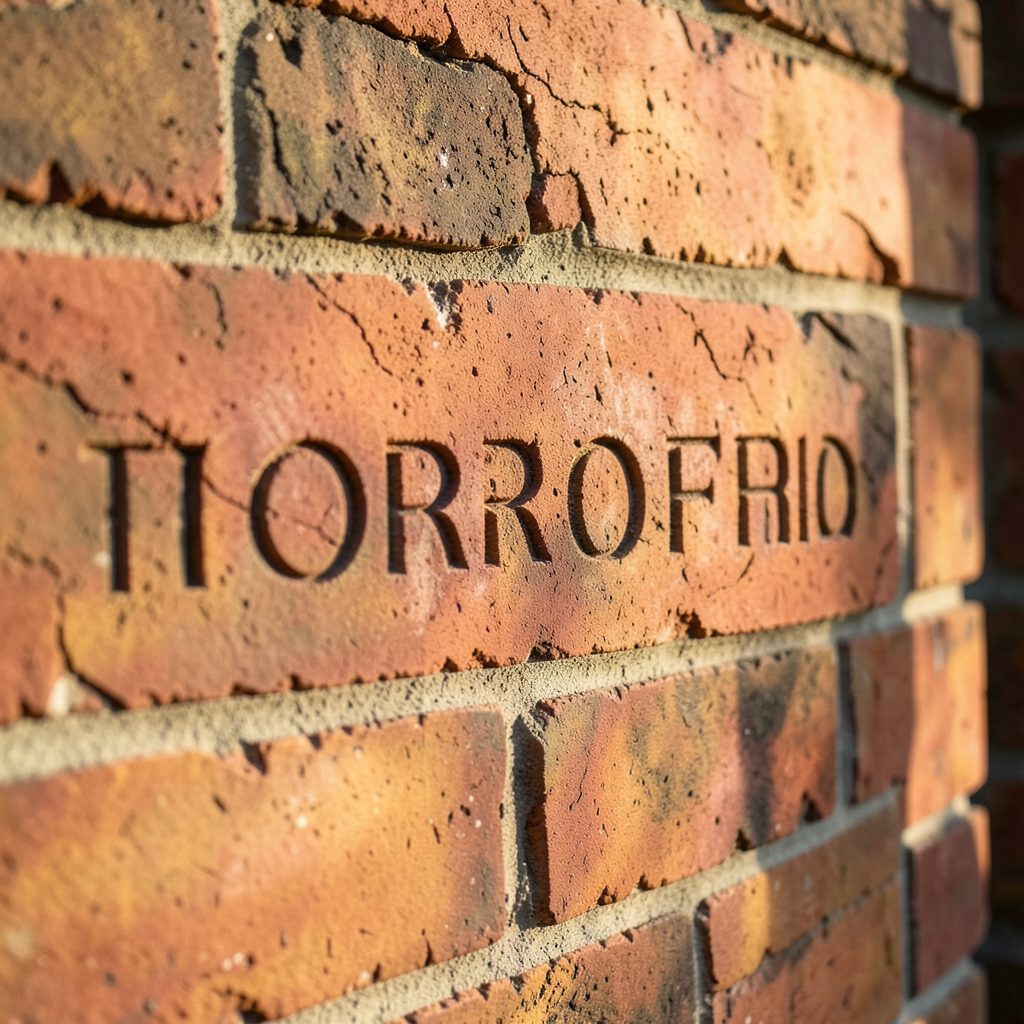
Many Australian designers also recommend placing mirrored art at the end of a long, narrow bathroom, the way a feature artwork anchors a hallway. The reflection draws the eye and breaks up the tunnel-like effect common in older Melbourne terraces. If you appreciate craftsmanship and want to anchor the room with a textured feature, brick engraving pieces can be paired with mirrored art above the basin for an unexpected mix of materials that suits heritage homes.
Pairing mirrors with greenery and tactile textures
Mirrored art offers a beautiful counterpoint to living plants, which thrive in humid bathroom environments. A trailing pothos on a high shelf will appear twice in the reflection, creating the illusion of more foliage than actually exists. Eucalyptus sprigs in a wall vase, popular across Australian homes, gain extra dimension when echoed in glass.
Tactile materials balance the cool, hard surface of mirror. Think of unglazed terracotta tiles, raw timber shelving, or a linen curtain softening the light. In a Federation home in Sydney's eastern suburbs, for instance, a weathered oak frame around a vintage mirrored panel pairs naturally with the period detail. The contrast prevents the space from feeling sterile, which is a common concern in all-white renovations.
Frames and finishes that suit Australian homes
Material choice should respond to climate as well as style. Coastal homes in Byron Bay or along the Mornington Peninsula need finishes that resist salt air, so powder-coated aluminium, sealed brass, or marine-grade stainless steel tend to outlast untreated timber. Inland, in the dry heat of places like Mildura or Alice Springs, timber frames can crack if not properly sealed, so many homeowners opt for ceramic or stone-look surrounds instead.
Colour also plays a role in shaping light. Pale, warm-toned frames bounce light gently and pair well with the sandy neutrals popular in contemporary Australian interiors. Darker frames, such as matte black or deep bronze, suit the industrial-loft trend in converted warehouses around Fitzroy and Newtown, where they ground a lighter wall palette and add a touch of gallery sophistication.
What to avoid when hanging mirrored pieces
One of the most common errors is hanging a mirror too high. The centre should sit roughly between 150 and 165 centimetres from the floor for average households, which keeps the reflection useful for grooming while allowing decorative objects below to be seen.
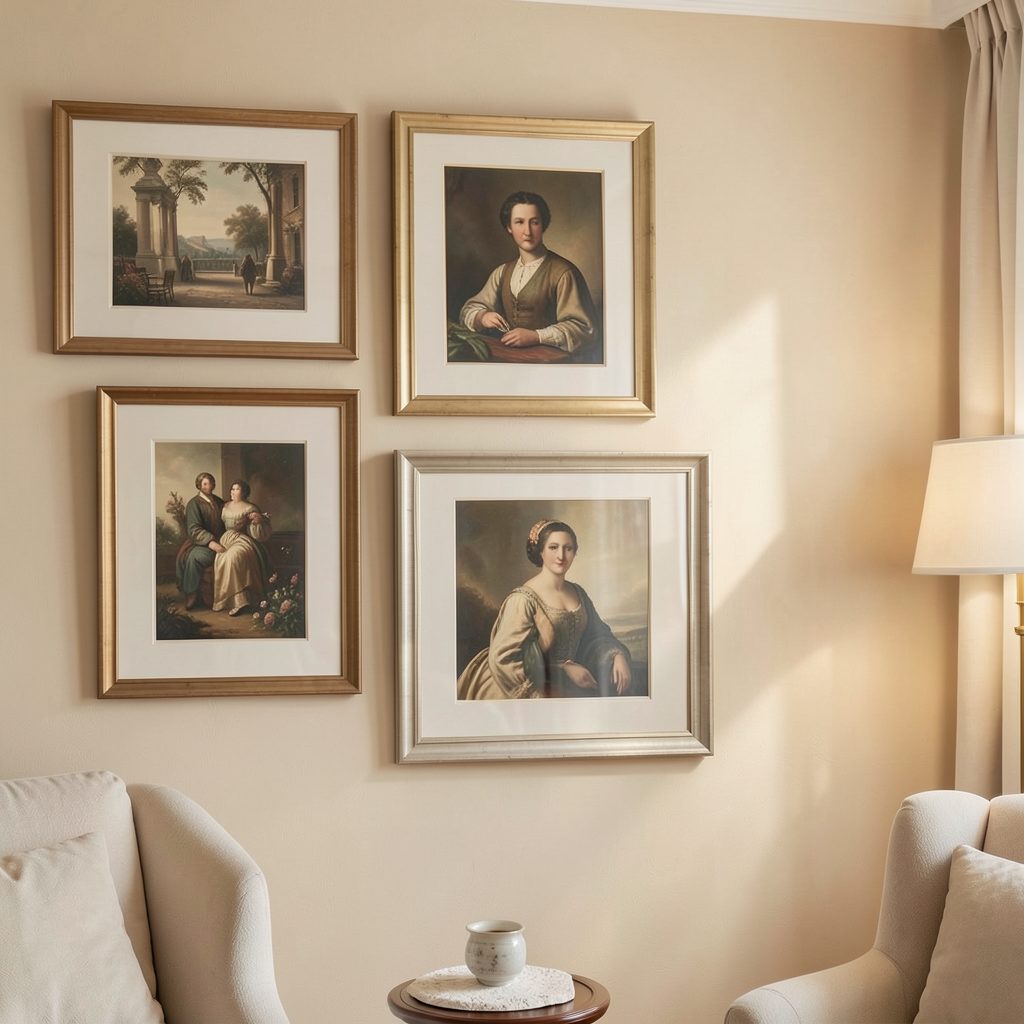
Another pitfall is placing mirrored art where it will reflect clutter. Avoid positioning it opposite open shelving filled with toiletries, as the doubled visual noise quickly overwhelms a small room. Instead, point the reflection toward a clean wall, a pendant light, or a plant. If you're looking for inspiration on balancing art with restraint in a small home, the gallery in house approach offers practical guidance on what to display and what to leave out.
Smart updates for a weekend refresh
A few small changes can lift a tired bathroom without a full renovation, and most of them can be tackled in a single weekend. Consider these ideas when planning your next refresh.
- Swap a basic builder-grade mirror for a framed mirrored panel and immediately add character.
- Lean a tall arched mirror against a feature wall to draw the eye upward and exaggerate ceiling height.
- Layer two mirrors of different shapes above a vanity for an intentional, styled look.
- Use removable picture hooks to test placements before committing to drilling tiles.
- Add a dimmable warm-white LED strip behind the mirror to amplify glow without harsh glare.
- Pair mirrored art with a single oversized plant to multiply greenery visually.
- Refresh the frame with chalk paint if the existing finish feels dated and you want a low-cost change.
Bring more light and personality into your bathroom by exploring curated art collections suited to compact spaces, and subscribe to our weekly newsletter for fresh styling ideas tailored to Australian homes.