Selecting Large-Scale Art For A Vaulted Ceiling Living Room
A vaulted ceiling gives a living room an immediate sense of space, but generous height can make ordinary wall art look undersized. A large canvas, sculptural piece or carefully arranged diptych can anchor the room and make the architecture feel intentional rather than empty.
The best choice depends on more than dimensions. Consider the room’s natural light, furniture layout, viewing distance, wall colour and the visual weight of nearby windows, beams or a fireplace. In Australia, strong northern light and bright coastal conditions can also change how colour and texture appear throughout the day.
Large-scale artwork does not need to be loud. A restrained abstract, monochrome photograph or earthy landscape can create a sophisticated focal point while preserving a minimalist gallery-style interior. Scale should provide presence; the subject and palette should support the way the room is used.
Australian homes also bring practical considerations. A renovated Queenslander, a new-build in Melbourne’s outer suburbs and an open-plan coastal home in Perth may all have vaulted ceilings, yet each receives different light and has its own architectural character. The artwork should respond to that setting rather than compete with it.
Assess The Room Before Buying
Begin by measuring the usable wall rather than the entire wall. Exclude architraves, built-in shelving, light switches and any section hidden by a sofa or sideboard. For a single statement work above a three-seat sofa, the art is often most balanced at around two-thirds to three-quarters of the furniture’s width.
Stand at the farthest regular viewing point and photograph the wall straight on. This helps reveal whether the artwork needs to fill the vertical space or balance a wide, low arrangement. A very tall vaulted wall may suit a portrait-format painting, while a broad gable wall often benefits from a horizontal canvas or paired panels.
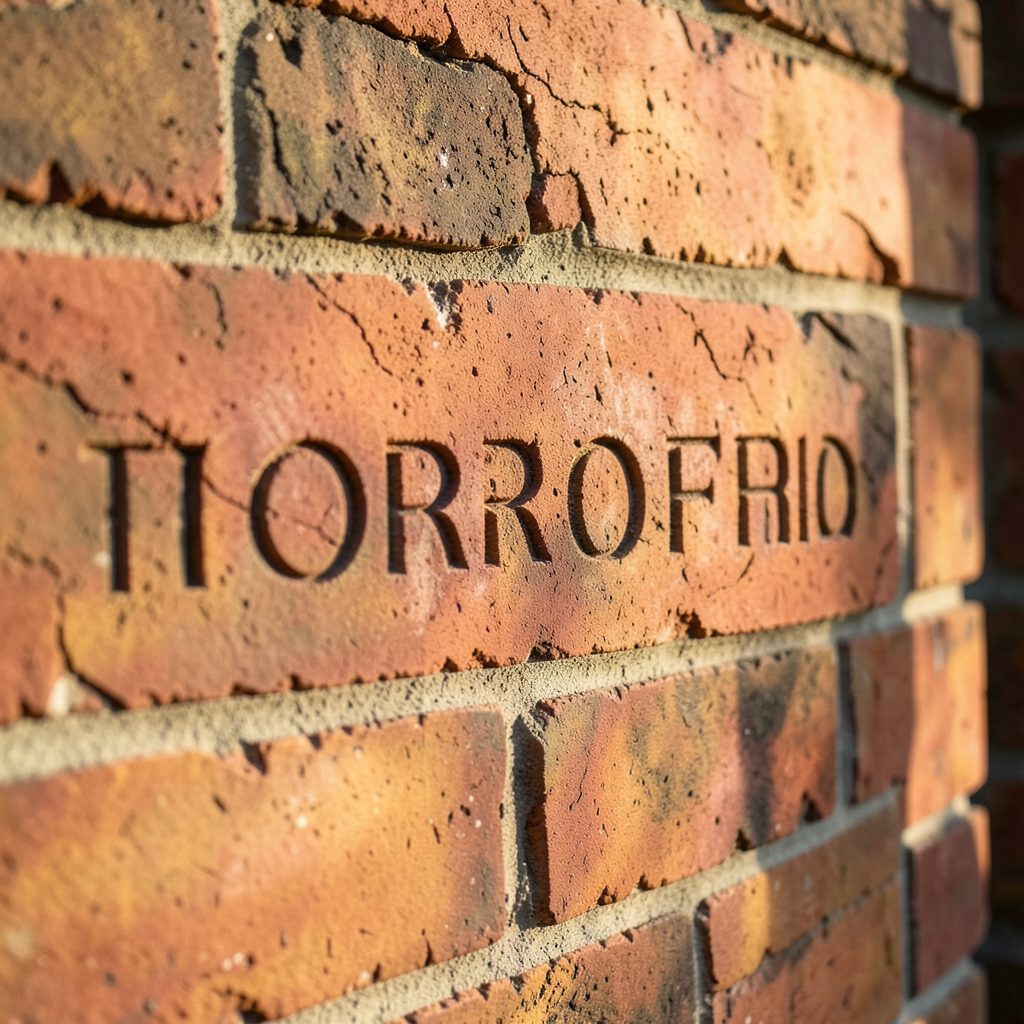
Think about the architecture as part of the composition. Exposed brick, timber rafters and rendered walls each create a different backdrop. If you are working with a character property, ideas from brick engraving can inspire a considered relationship between artwork, masonry and the building’s original details.
Choose Scale And Orientation
A single oversized work has the strongest visual impact and is usually the cleanest option for a minimalist living room. It gives the eye one destination and can prevent a vaulted space from feeling fragmented. Choose a canvas with enough visual density to hold attention from across the room, especially when the sofa sits several metres away.
Diptychs and triptychs are useful when a single artwork would feel too dominant or when the wall is unusually wide. Keep the spacing between panels consistent and treat the group as one unit when calculating its overall width. A pair of vertical works can echo the rise of a ceiling without making the wall feel stretched.
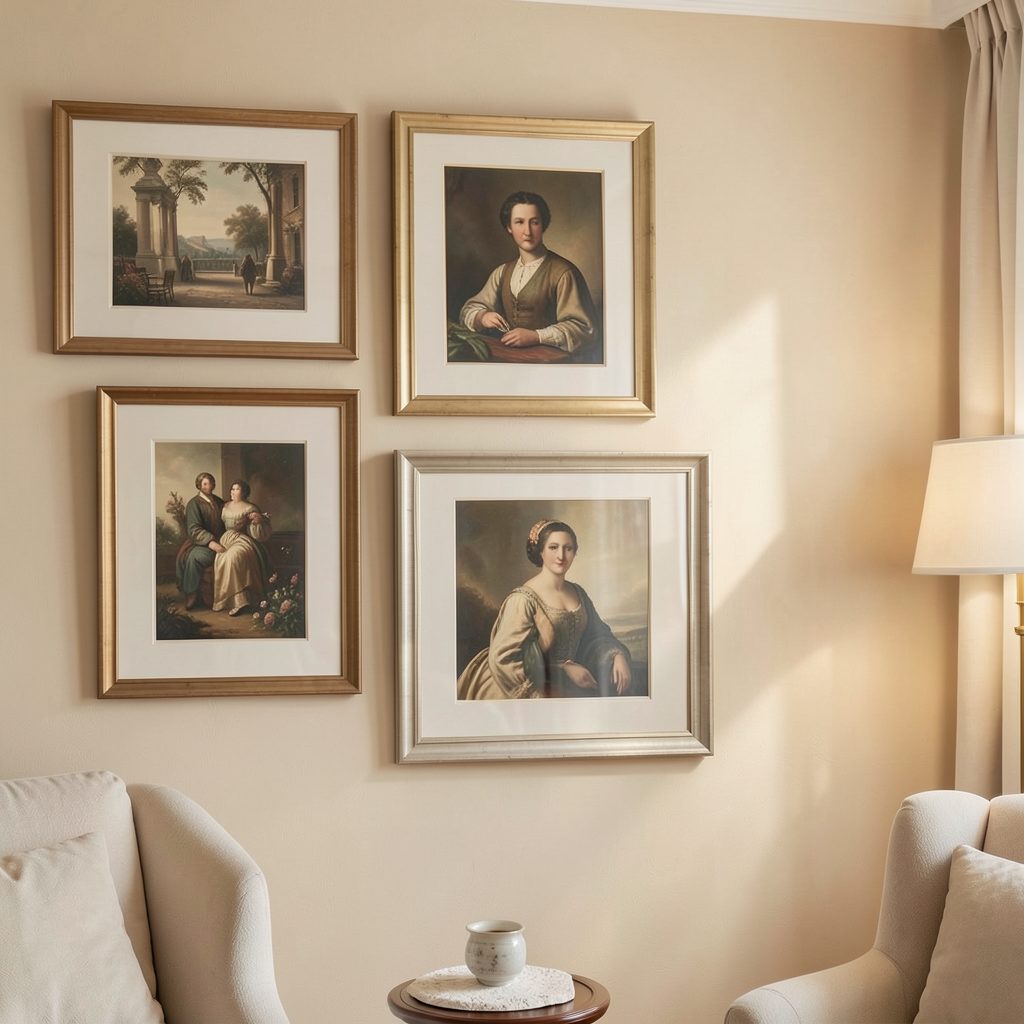
Gallery walls can work in a high-ceilinged room, although they need a strong organising principle. Use a large central piece surrounded by smaller works, or repeat one frame finish throughout the arrangement. A loose collection of tiny frames placed too high will look scattered. For a polished display, explore practical guidance on gallery labels, particularly when presenting a collection with a curated, exhibition-like feel.
Work With Light And Colour
Australia’s sunlight can be intense, particularly in north-facing rooms and homes with large panes of glass. Before choosing delicate works on paper or saturated pigment, observe the wall in the morning, afternoon and evening. UV-filtering glazing and blinds can protect valuable pieces, while archival prints and stable pigments are sensible choices for bright rooms.
Colour should relate to the room without matching every cushion. Warm ochre, gum-leaf green, sandstone, charcoal and muted blue can sit naturally within Australian interiors, from a bush setting near the Dandenong Ranges to a beachside home around Fremantle. A neutral room may need one confident colour note, while a richly furnished space may benefit from a quieter artwork.
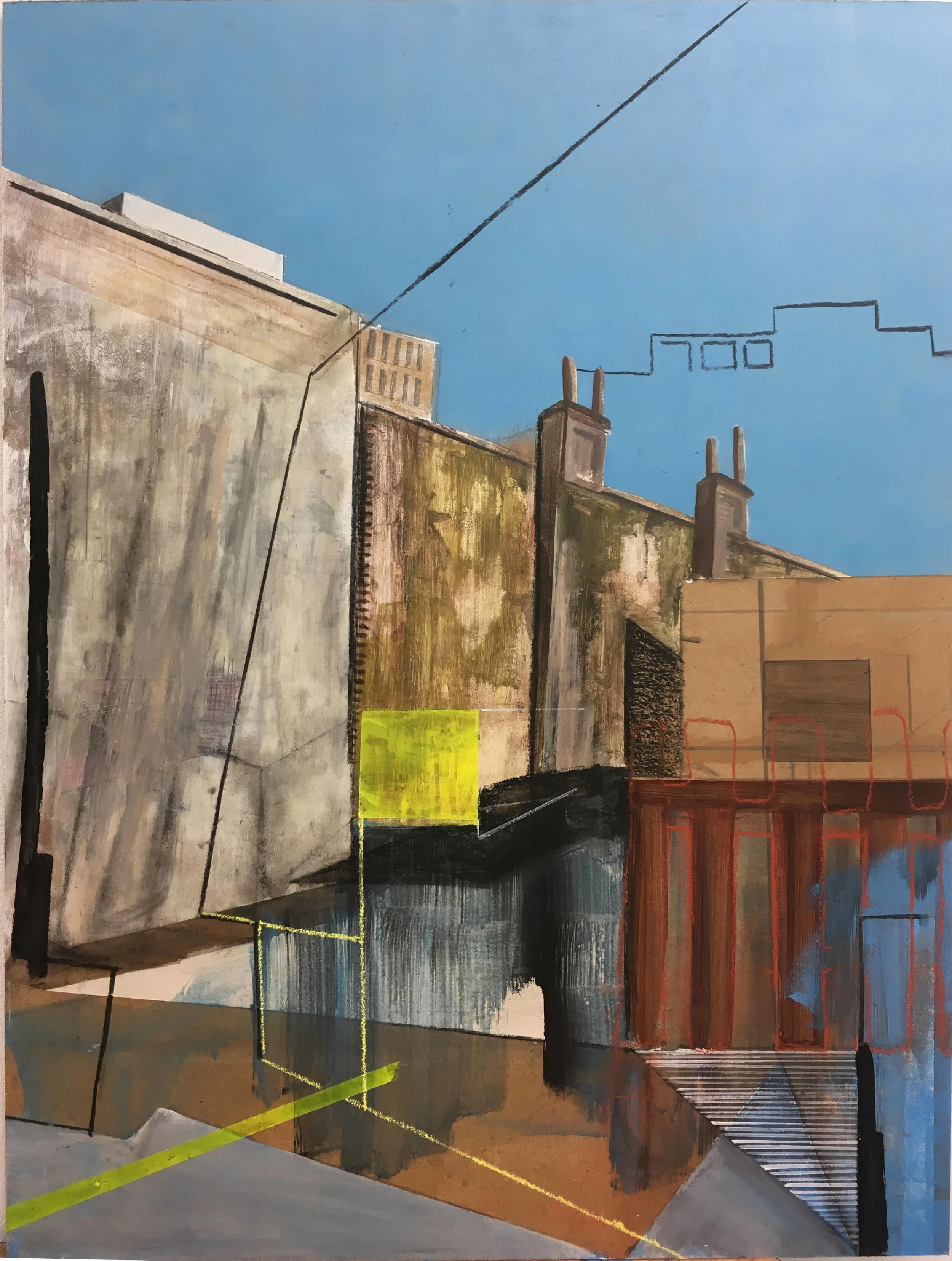
Texture is particularly effective beneath a vaulted ceiling. Oil impasto, woven fibre, carved timber and layered paper catch changing light and create depth without relying on busy imagery. In a relaxed Australian home, a tactile abstract may feel more connected to the landscape than a highly glossy photographic print.
Build A Considered Display
Frame choice changes the perceived scale of a large artwork. A slim black frame adds definition to pale walls, natural timber softens contemporary architecture and a deep box frame gives a canvas a gallery finish. Leave enough breathing room around the work so the ceiling height feels deliberate rather than visually crowded.
For a cohesive result, select the artwork before buying accessories. Then repeat one or two tones through a rug, occasional chair or ceramic object. Focus LDN offers further ideas for stylish home living when you want the artwork to guide the rest of the room rather than become an isolated decoration.
Use this practical checklist before committing:
- Measure the clear wall and the viewing distance
- Check daylight direction and potential UV exposure
- Compare the artwork’s width with the sofa or console
- Confirm the frame suits beams, flooring and wall colour
A second review helps narrow the style:
- Choose one statement work for a calm, edited look
- Choose a diptych for a wide wall or flexible arrangement
- Choose texture when the room needs warmth and depth
- Choose a gallery wall when you have a meaningful collection
Compare Options And Install With Care
The right format depends on the character of the room, not simply the ceiling height. Use the following comparison as a starting point, then assess each option against your furniture and architecture.
| Artwork format | Effect in a vaulted room | Best placement | Watch out for |
|---|---|---|---|
| Oversized canvas | Creates a clear focal point and visual anchor | Centred above a sofa or fireplace | A weak composition may look flat at a distance |
| Diptych | Adds rhythm while spreading weight across a wide wall | Above a long sofa or low cabinet | Uneven spacing can make it feel accidental |
| Tall painting | Emphasises the room’s vertical architecture | On a narrow gable wall or beside stairs | Too much empty width may remain around it |
| Textured mixed media | Adds depth and changing shadows | On a quiet wall with restrained furniture | Heavy texture needs secure hanging hardware |
| Curated gallery wall | Brings personality and collected character | Around a central large work | Small pieces can disappear in an oversized room |
Install the centre of the artwork or arrangement roughly at eye level, then adjust for the furniture below it. Above a sofa, leave a comfortable gap rather than pushing the work towards the ceiling; the visual connection should be with the seating area, not the highest point of the room. For heavy canvases, framed glass or sculptural pieces, use wall anchors rated for the material and consult a qualified installer when necessary.
A vaulted living room deserves art with enough presence to meet its architecture, yet the most successful choice still feels personal. Look for a work you will enjoy from the sofa, the dining area and the doorway, and give it room to breathe. Browse thoughtfully selected home and display ideas, then make the final purchase with measurements, light conditions and a secure installation plan in hand.