Choosing Artwork for a South-Facing Room Filled with Bright Natural Light
In homes across Sydney, Melbourne, and Brisbane, rooms that face south often surprise new owners with just how luminous they can feel. Australian skies tend to be clear and the sun sits high, so even a south-facing lounge can glow with hours of soft, steady light through a large window, a skylight, or sliding glass doors that open onto a verandah. That sustained brightness is a gift for displaying art, but it also demands thoughtful choices about what you hang and how you protect it.
Artwork reacts to its environment. A print that looked rich and moody in a Bondi apartment with filtered afternoon sun may read entirely differently under the clear, bright conditions of a south-facing Adelaide sitting room. Understanding how light behaves in your room, and how your chosen pieces will respond to it, is the first step toward a wall that feels alive rather than washed out.
This guide walks through the practical decisions involved in curating art for a bright, sun-drenched interior. From selecting colours that hold their depth, to sourcing work from local galleries, the aim is a wall arrangement that feels considered and easy to live with day after day.
Reading the Light in Your Room
Spend a full day observing how the light shifts across your south-facing wall. In a typical Queenslander or Victorian terrace, the room may receive soft, even brightness for most of the day, with occasional bursts of direct sun reflecting off a neighbouring white wall or a pool. Note where the brightest patches fall, and at what time of day they arrive.
Rugs, polished concrete, and pale timber floors bounce light upward, effectively brightening the lower half of any framed piece. A painting hung opposite a window will look very different from the same work tucked into a niche or alcove. Sketch a quick floor plan and mark the angles if you can; it makes later decisions about placement far easier.
If you are renting in NSW or Victoria, you may not be able to install skylights or replace glazing. Lightweight solutions like sheer linen curtains, removable UV-filtering window film, or simply repositioning a console table to throw softer light onto a piece can all change how your art is read without altering the property.
Picking Pieces That Resist Glare
Glossy prints and works under reflective glass struggle in bright spaces. The surface catches the window and turns the image into a mirror. Look instead for matte paper, canvas, or works framed with anti-reflective glazing that scatters incoming light.
Photography, textiles, and charcoal or pencil drawings often feel more grounded in a bright room than high-gloss oils. If you have fallen for a glossy piece, consider a frame with museum or conservation glass, which keeps clarity high while cutting reflections dramatically. It is worth the premium in a room that sees strong light from dawn until late afternoon.
If you are building a personal collection, submit your work to local calls or open-submission exhibitions is a great way to find emerging Australian artists whose practice already accounts for bright interior conditions.
Colour Choices That Hold Their Depth
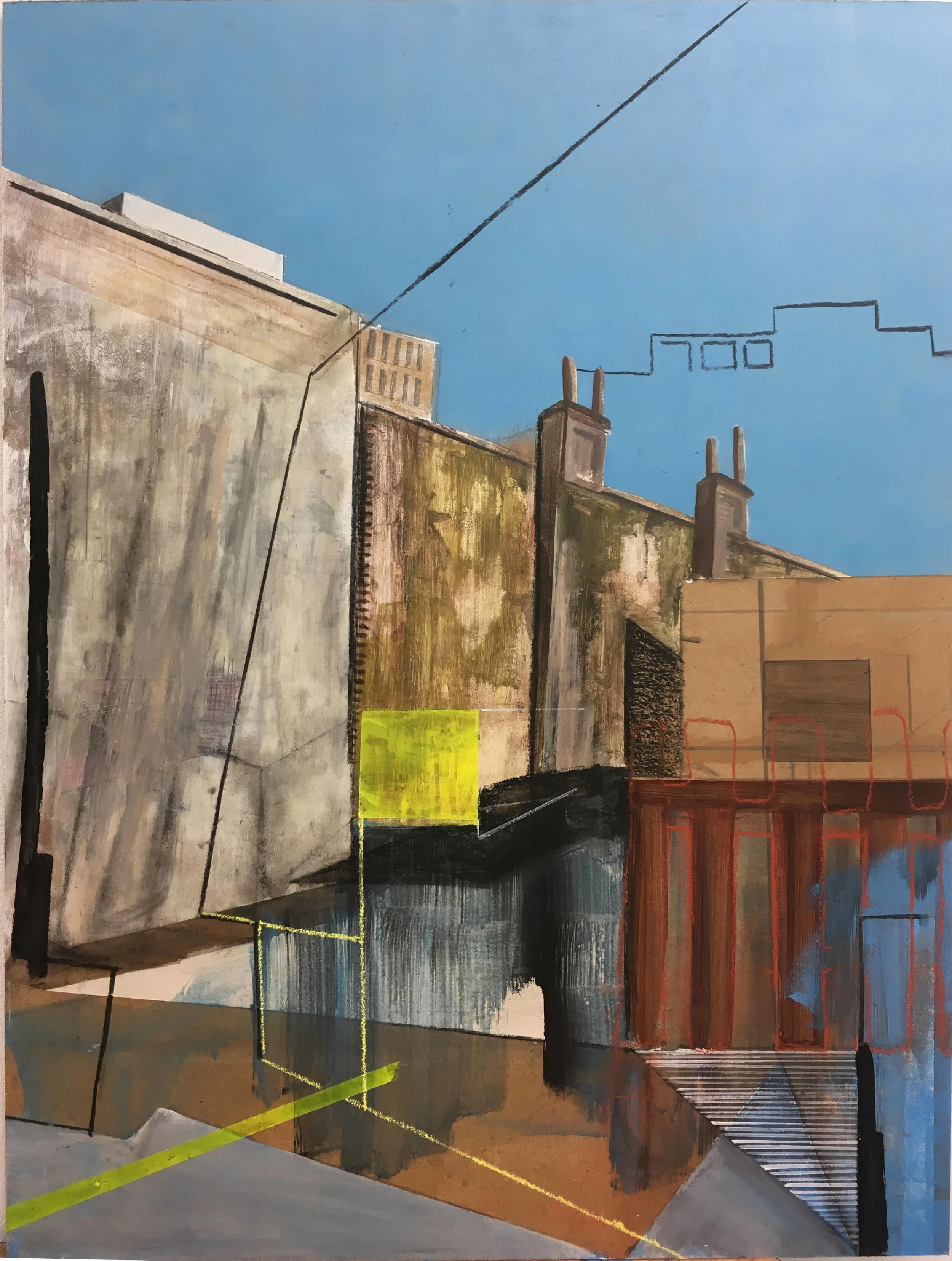
Bright natural light tends to flatten pale palettes, so work in a south-facing room benefits from saturated colour, think earthy ochres, deep blues, and the burnt sienna tones that echo the Australian landscape. A dusty pink that read as subtle in a dim hallway can vanish against a sunlit wall, while a vivid coral holds its presence.
Cool whites and greys can work beautifully as a backdrop, but test swatches at different times of day. The same Dulux shade can look icy at noon and warm by sunset. Consider a slightly warmer white, such as a chalk or half-strength biscuit tone, which keeps the room feeling fresh without competing with the artwork.
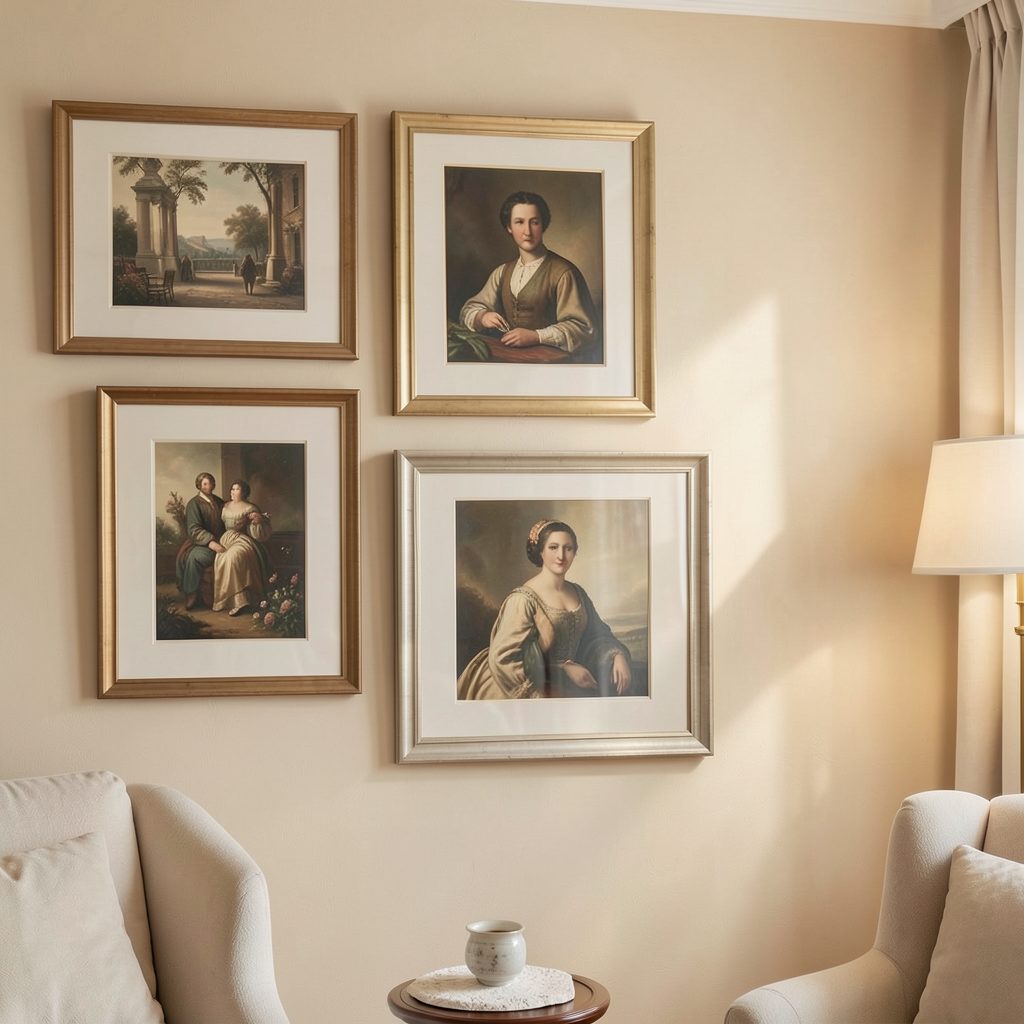
When grouping pieces, allow the strongest colour to anchor the arrangement. In a gallery wall, one bold work gives the eye a place to rest, while smaller, quieter pieces orbit around it. This works particularly well in long, narrow rooms common to Sydney terraces and Brisbane workers' cottages.
Frames and Glazing for Long-Term Protection
Australian sun is intense, with UV levels that can fade unprotected work within months. Even in a south-facing room, ambient UV adds up over years. Always choose glazing that blocks at least 99 per cent of UV, and consider acid-free mat boards for works on paper.
Timber frames in walnut, blackened ash, or natural oak pair well with the warm light found in many Australian homes. Avoid metallic or mirrored frames, which double the glare in a bright room. A simple, slim profile lets the work speak; ornate mouldings can feel heavy under relentless daylight.
If you are arranging pieces above a sofa or bed, allow at least fifteen centimetres between the top of the furniture and the bottom of the lowest frame. This breathing space prevents the wall from feeling crowded and gives each piece room to be seen.
Sourcing from Local Artists and Galleries
Australia has a thriving community of painters, printmakers, and photographers whose work is made for our light. Galleries in Collingwood, Surry Hills, Fremantle, and Norwood stock pieces that already account for the country's brightness. Buying directly from the artist, whether through a studio visit in Marrickville or a weekend market in Adelaide, often comes with insight into how a piece was made to be displayed.
First Nations art deserves particular care. Work by Aboriginal and Torres Strait Islander artists is best sourced through community art centres, which ensure artists are paid fairly and that stories are told with permission. Many of these centres operate online, shipping safely across the country.
If you are curating a wall of mixed media, learning how to mix different scales, frames, and subjects helps the arrangement feel intentional rather than accidental. A simple grid of small prints can sit comfortably beside one large canvas if the visual weights are balanced.
Practical Recommendations for a Bright Australian Interior
- Choose matte or anti-reflective glazing to keep reflections under control.
- Lean into saturated colours that hold their depth in strong light.
- Source work from local galleries and community art centres wherever possible.
- Hang the centre of each piece roughly 145 to 150 centimetres from the floor.
- Rotate work seasonally to limit prolonged exposure on any single piece.
Browse the Focus LDN journal for more guidance on arranging artwork in bright, modern Australian homes, and consider subscribing to receive fresh ideas delivered to your inbox each week.