Pairing Contemporary Art with Vintage Furniture
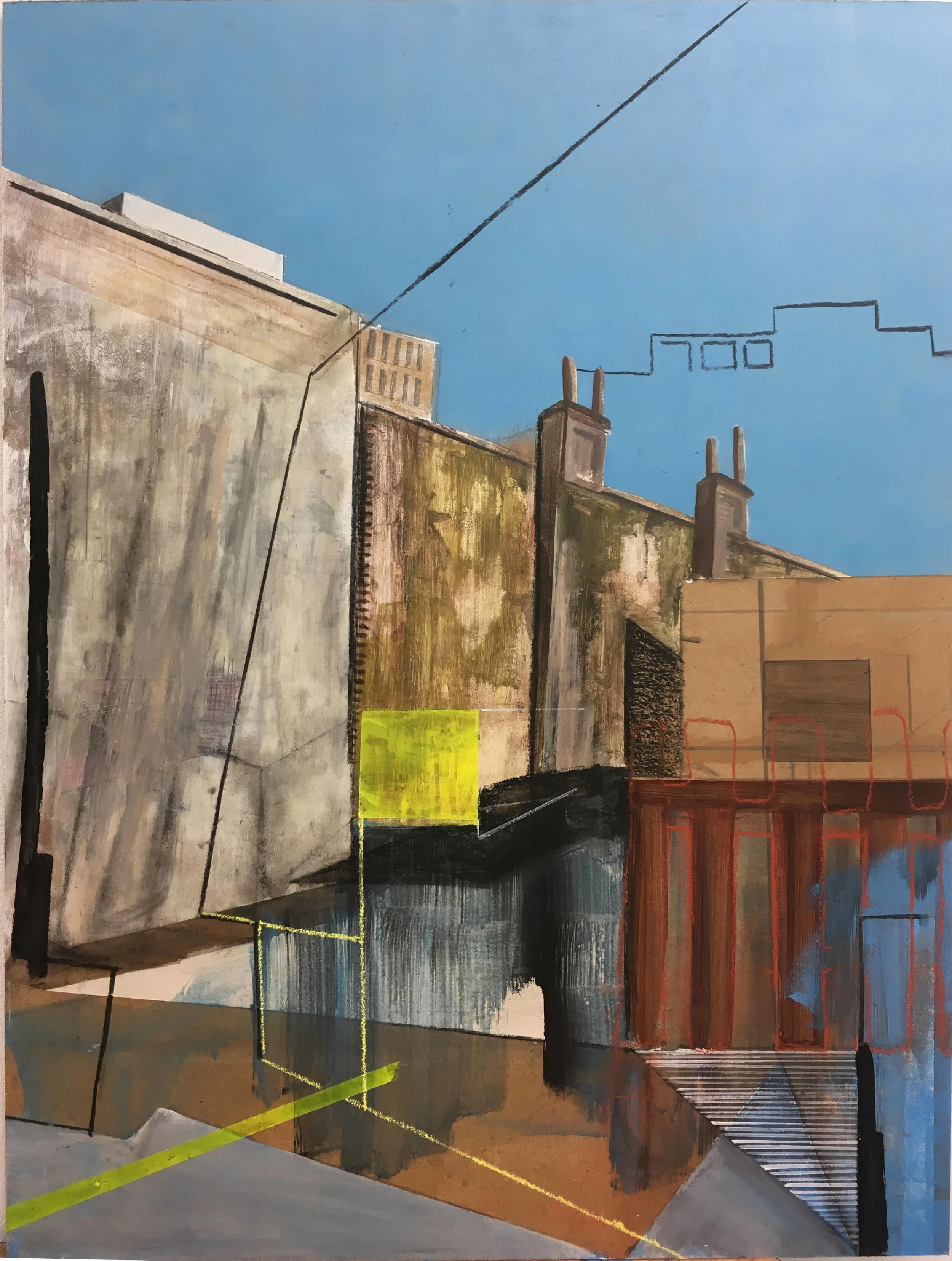
A room becomes more compelling when its contents belong to different visual eras. The clean geometry of a contemporary print can sharpen the character of a worn oak cabinet, while an antique armchair can give a bold abstract painting a sense of warmth and history. This contrast creates a home that feels collected rather than ordered from a single showroom.
Pairing contemporary art with vintage furniture works best when the relationship feels intentional. The aim is not to make every object match, but to connect contrasting pieces through colour, scale, texture, or rhythm. A few carefully chosen links between old and new will make the whole room feel coherent.
The most successful interiors leave space for both the furniture and the artwork to speak. Instead of filling every surface, consider how each piece changes the atmosphere around it. Negative space, thoughtful lighting, and consistent proportions can be as important as the objects themselves.
Start With A Shared Visual Language
Begin by identifying one quality that the furniture and artwork can share. This might be a rust tone echoed in a contemporary canvas, a sculptural curve repeated in a mid-century chair, or a quiet neutral palette that allows stronger forms to stand out. A shared detail creates continuity without making the room feel overly coordinated.
Material is another useful bridge. A black-and-white photograph can look striking above a walnut sideboard, especially when the frame picks up the timber’s deep tone. Likewise, a colourful modern painting may sit comfortably beside aged brass, linen upholstery, or patinated leather if one of its colours appears elsewhere in the room.
Scale deserves early attention. Large vintage furniture needs artwork with enough visual weight to balance it. A small print may disappear above a broad dresser, while an oversized canvas can overwhelm a delicate writing desk. Measure the wall and furniture together before choosing the final piece.
Balance Age, Shape, And Texture
Vintage furniture often carries visual detail through turned legs, carved edges, distressed finishes, or patterned upholstery. Contemporary art tends to offer a cleaner statement. Placing these qualities together creates useful tension, but too many competing shapes can make a room feel unsettled.
Use silhouette to manage the contrast. A streamlined abstract work can calm an ornate Victorian console, while a gestural painting may add energy to a restrained 1960s cabinet. If both the furniture and artwork are highly expressive, keep the surrounding walls, textiles, and accessories relatively quiet.
Texture also affects how the pairing is perceived. Rough plaster, woven rugs, timber grain, and brushed metal can soften a highly polished artwork. In a minimalist room, a single vintage piece may provide enough tactility to prevent a contemporary display from feeling flat or impersonal.
Create A Gallery Wall With Purpose
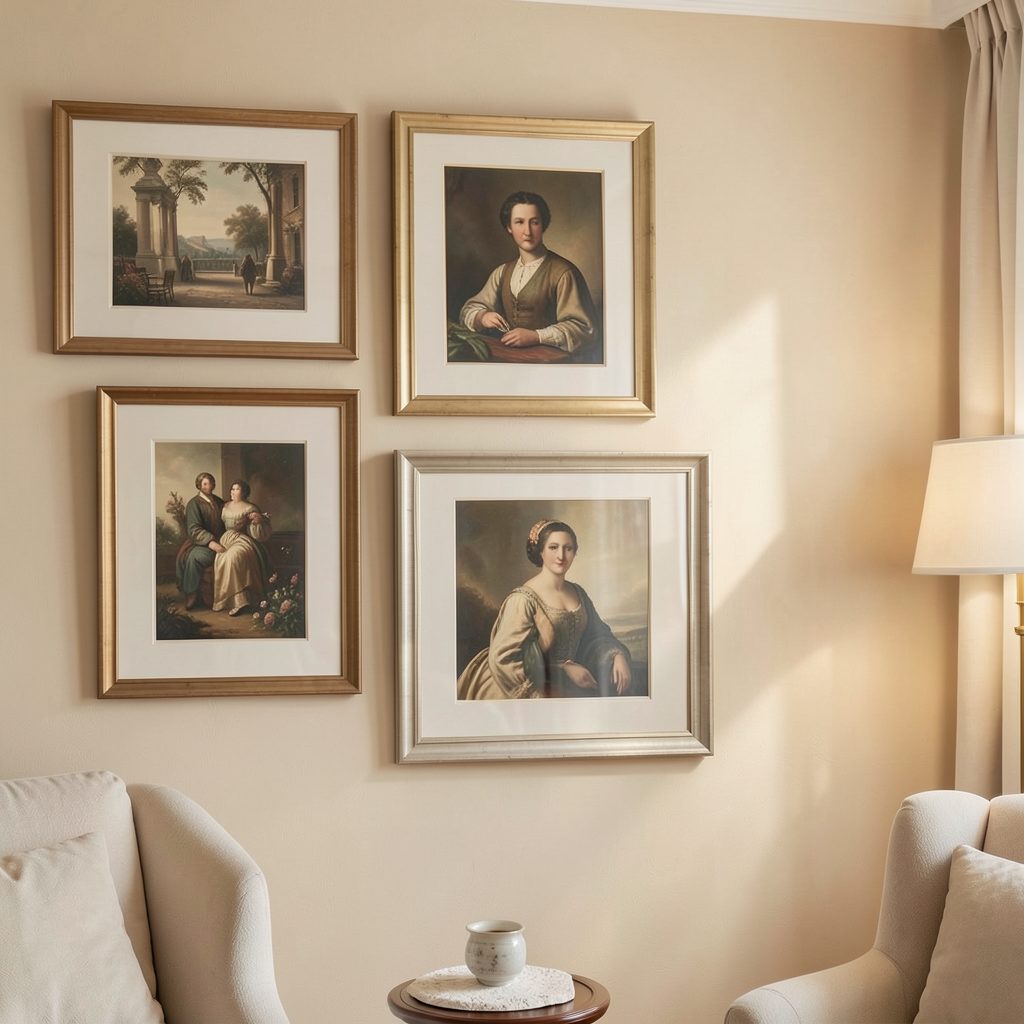
A gallery wall can combine new artwork with vintage photographs, found drawings, and small decorative objects. Rather than arranging pieces by age, group them by a visual relationship such as tonal value, subject matter, or frame finish. This allows very different works to appear as parts of one composition.
For a curated arrangement, lay the pieces on the floor first and test several layouts. Keep the strongest work near eye level, then build outward with smaller pieces. A useful starting point is to maintain a consistent outer shape while allowing varied spacing inside it. For more guidance on proportion and placement, follow this curator-style arrangement.
Furniture should anchor the display rather than compete with it. Leave enough breathing room between a gallery wall and the top of a cabinet or sofa, usually around 15 to 25 centimetres depending on the scale. If the furniture is visually heavy, a tighter artwork grouping can create balance; if it is delicate, allow the wall composition more openness.
Let Frames Connect Different Eras
Frames are among the simplest ways to unite contemporary art and antique furnishings. A slim black frame can give a modern print architectural clarity, while a weathered wood frame can make a new work feel at home beside an old bureau. Mixing frame styles is effective when one element remains consistent, such as colour, width, or finish.
Avoid framing every work in the same ornate style. Too much decoration can make modern art seem secondary, and a set of identical sleek frames may remove the warmth that makes vintage furniture appealing. Try combining two or three finishes, then repeat each finish at least once to establish rhythm.
Compare Approaches Before You Commit
Different room styles call for different degrees of contrast. The right arrangement depends on the furniture’s profile, the artwork’s intensity, and how much visual activity the rest of the room can support.
| Room direction | Contemporary art choice | Vintage furniture pairing | Unifying detail |
|---|---|---|---|
| Soft and collected | Abstract work in muted tones | Painted dresser or linen armchair | Warm whites and aged wood |
| Graphic and modern | Monochrome photography | Mid-century teak cabinet | Slim black frames |
| Eclectic and expressive | Colourful mixed-media piece | Carved console or patterned chair | One repeated accent colour |
| Calm and minimalist | Large tonal canvas | Simple antique bench | Open space and natural texture |
| Industrial and architectural | Geometric print or sculpture | Metal filing cabinet or leather chair | Brass, charcoal, and timber |
The table’s categories are starting points rather than strict rules. An unusual pairing can be the most memorable feature in a room when the scale and placement are carefully controlled. Let the dominant piece lead, then use smaller details to support it.
Lighting can change the balance throughout the day. Picture lights create a gallery atmosphere, while wall washers give a large canvas a softer presence. Avoid placing art where direct sunlight may fade delicate pigments, particularly when the work is displayed above furniture that is already sensitive to heat and glare.
Bring The Arrangement Into Every Room
In a living room, place contemporary artwork above a vintage sofa or cabinet where it can act as the main focal point. A single large work often feels more confident than several undersized pieces. Add a small object, lamp, or textile in a related colour to connect the wall with the furniture below.
Bedrooms benefit from quieter combinations. Try a restrained print above a low antique chest, or use two small works over matching bedside tables. Keep the palette restful and avoid placing fragile frames where they could be knocked during everyday use.
Bathrooms offer an opportunity to use smaller artworks and unexpected materials. Choose works that can tolerate the room’s conditions, frame them securely, and keep them away from direct splashes. A vintage stool, marble tray, or aged mirror can bring warmth to contemporary tile and polished fittings.
Add Context Without Making It Feel Formal
A home display can carry the atmosphere of a small exhibition without becoming rigid. Small descriptive cards, dates, or artist notes can be useful beside a collection, especially when several works share a theme. These gallery labels can help visitors understand the arrangement while adding a refined editorial detail.
Personal objects keep the display connected to daily life. Place a travel find, inherited ornament, or handmade piece near the artwork, but avoid turning every surface into a collection. A single meaningful object beside an abstract work can create a stronger story than a crowded arrangement.
Architectural details can also provide a subtle link between past and present. If your home includes a historic wall, old brick, or a renovation detail, treat it as part of the composition rather than hiding it. A project involving brick engraving can add a tactile, permanent layer that complements both modern art and traditional furnishings.
Practical Choices For A Cohesive Room
Before hanging or buying anything, use these checks to keep the pairing deliberate:
- Select one repeated colour, material, or shape to connect the old and new pieces.
- Match the artwork’s scale to the furniture beneath it, rather than judging the wall alone.
- Use frame variety sparingly and repeat finishes to create visual rhythm.
- Leave clear negative space around key works so the room does not feel overcrowded.
- Test lighting at different times of day before fixing the final position.
A strong arrangement should feel natural from across the room and rewarding up close. Stand back to assess the overall silhouette, then inspect the smaller relationships between frame edges, furniture lines, textures, and accessories. Adjusting a work by a few centimetres can change the entire sense of balance.
Let your home develop gradually. Begin with one meaningful vintage piece and one contemporary artwork, then build around the connection they already share. For more ideas on gallery walls, collected interiors, and stylish ways to display art, subscribe to the Focus LDN email updates and keep considered decorating inspiration close at hand.