Making a Statement with Oversized Art in a Small Room
A small room does not require small-scale decoration. One carefully chosen oversized artwork can give a compact space presence, colour, and personality without filling it with unnecessary furniture or accessories. The key is to make the piece feel intentional rather than crowded.
Large art also creates a strong visual anchor. Instead of the eye moving from a collection of competing objects, it settles on one memorable image. This can make a bedroom, hallway, living room, or dining nook feel more composed.
The most successful arrangements balance drama with breathing room. Scale, placement, frame style, wall colour, and the surrounding furniture all affect whether statement art feels elegant or overwhelming.
Why large art works in compact rooms
A generously sized canvas can make a small room feel taller and more structured. When hung above a sofa, bed, or console, it establishes a clear focal point and gives the furniture below it a sense of proportion. The artwork becomes part of the architecture rather than an afterthought.
Several small prints may require multiple frames, gaps, and visual decisions. A single bold piece often creates a cleaner finish, which suits minimalist interiors particularly well. It can also reduce the need for decorative clutter, allowing the room to feel calmer and more spacious.
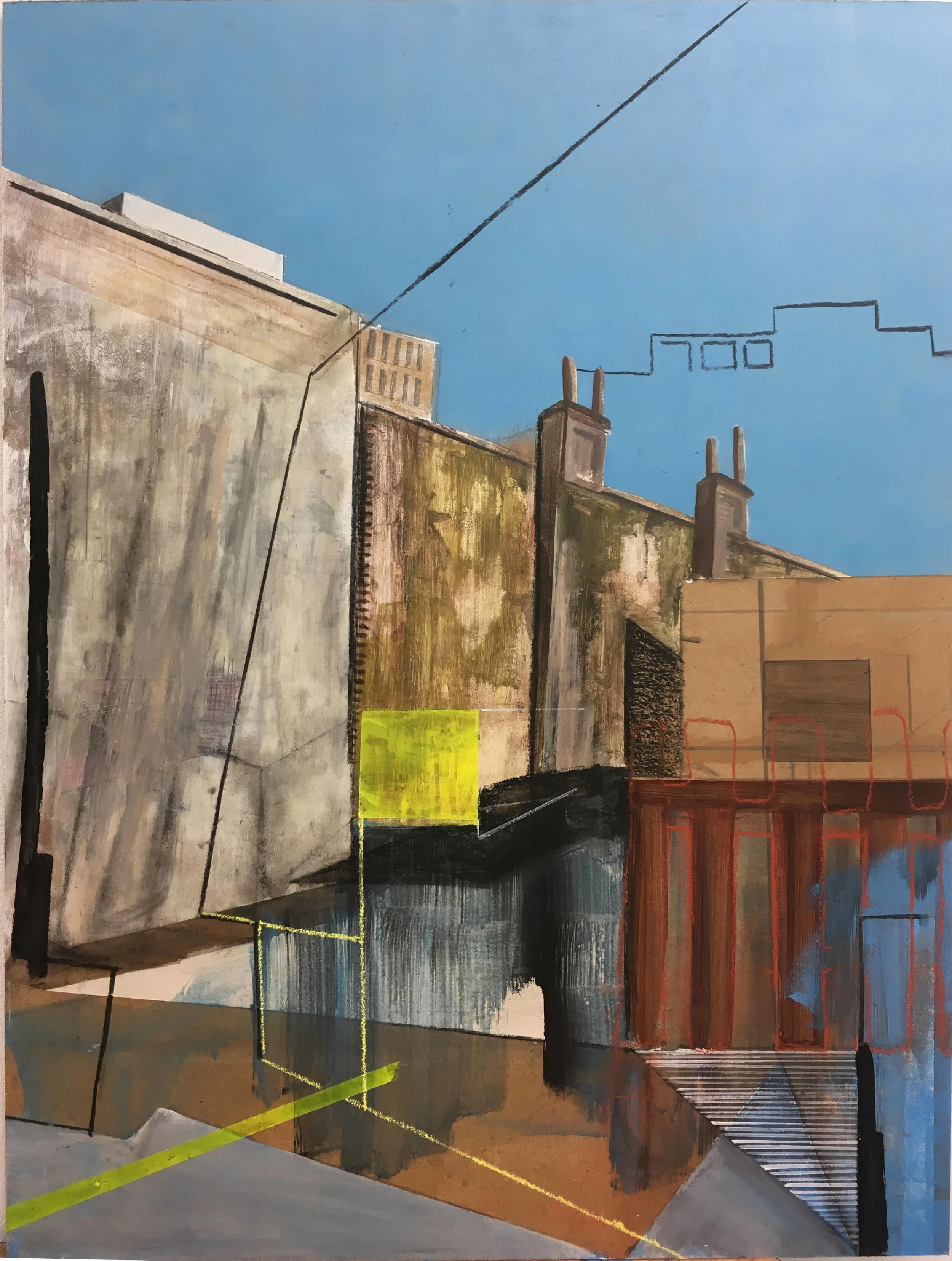
Choose artwork that has a clear visual impact from across the room. Strong shapes, generous areas of colour, atmospheric photography, and expressive brushwork tend to hold their own against practical furniture and limited floor space.
Choose visual weight with care
Oversized art is not defined by dimensions alone. A dark, detailed painting may feel heavier than a pale abstract work of the same size. Consider how much visual energy the room can accommodate before selecting a piece.
In a neutral room, saturated colour can provide a welcome focal point, while a monochrome artwork may reinforce a restrained scheme. If the walls, flooring, and upholstery already have strong patterns, look for a quieter composition with open areas and a limited palette. For accessible ideas from emerging creatives, explore these affordable wall artists.
The frame should support the artwork rather than compete with it. A slim black frame creates definition, a natural wood frame adds warmth, and a float-mounted canvas has a softer contemporary quality. In a very small room, avoid ornate frames unless the rest of the decor has enough simplicity to balance them.
Position the artwork around furniture
The safest placement is usually linked to an existing piece of furniture. Centre the artwork over a sofa, headboard, sideboard, or desk, leaving enough space below for the arrangement to feel connected. As a general guide, the lower edge should sit around 15 to 25 centimetres above the furniture, depending on its height.
A large piece can also occupy an empty wall opposite a doorway or beside a window. Before drilling, cut paper to the artwork’s approximate size and attach it to the wall with removable tape. Live with the outline for a day, checking it from different positions and in both natural and artificial light.
| Placement | Best effect | Useful spacing |
|---|---|---|
| Above a sofa | Anchors the seating area | 15–25 cm above the back |
| Above a bed | Creates a calm bedroom focal point | 20–30 cm above the headboard |
| Over a console | Gives an entryway or dining nook structure | Keep the centre near eye level |
| On an empty wall | Adds impact without extra furniture | Leave generous space around the edges |
A slightly off-centre arrangement can work when balanced by a floor lamp, plant, or low cabinet. This approach feels relaxed and less formal, but the combined visual weight should still occupy a clear zone rather than drifting across the wall.
Use colour and negative space
The wall around the artwork matters as much as the image itself. A pale print against a light wall can create a quiet, gallery-like effect, while a contrasting wall colour makes the piece appear more sculptural. Sample paint colours beside the frame before committing, since daylight can change how both the art and wall are perceived.
Leave enough empty wall around an oversized piece for it to read as a deliberate feature. Pushing art into corners or surrounding it with too many small objects can make the room feel compressed. Negative space gives the eye a pause and makes the main image appear more substantial.
Lighting should be subtle and directional. A picture light, adjustable wall fitting, or carefully positioned lamp can reveal texture without producing harsh glare. Avoid placing reflective glass directly opposite a window or bright bulb, especially when the artwork will be viewed from a bed or sofa.
Adapt the approach to each room
In a living room, a large abstract canvas above a compact sofa can replace a busy gallery wall. In a bedroom, a horizontal photograph or soft-toned painting above the headboard introduces atmosphere without taking up floor space. For a narrow hallway, a portrait-oriented work can emphasise height and turn a transitional area into a destination.
Children’s rooms benefit from the same principles, though the artwork should suit the room’s energy and practical needs. Choose secure fixings, shatter-resistant glazing where appropriate, and images that can grow with the child. This guide to a child's bedroom gallery wall offers useful direction when combining personality with an organised display.
Bathrooms need extra consideration because humidity can damage paper, canvas, and some frames. Choose sealed surfaces, keep artwork away from direct splashes, and provide ventilation. A single bold print above a towel rail or freestanding shelf can add character without crowding the room.
Keep the surrounding scheme restrained
When one artwork carries the visual focus, supporting pieces should be selected with restraint. Repeat one or two colours from the artwork in cushions, ceramics, bedding, or a small lamp, but avoid matching every detail too closely. A loose connection feels more collected and sophisticated.
Furniture should leave the artwork room to breathe. Low-profile pieces often work well beneath large art because they preserve the wall’s visual height. Keep nearby surfaces edited, using a few useful or sculptural objects instead of a crowded arrangement of accessories.
Before finalising the display, check the room at different times of day. Notice whether the art competes with a television, mirror, window view, or patterned rug. Small adjustments to lighting and nearby objects can make the difference between a dramatic focal point and an overcrowded wall.
A simple styling checklist
Use these practical checks before hanging your chosen statement piece:
- Measure the wall, furniture, and artwork together rather than judging size in isolation.
- Test the placement with a paper template and view it from the room’s main seating or sleeping position.
- Select a frame that complements the artwork and echoes one material already present.
- Keep nearby decor simple so the oversized piece remains the visual anchor.
- Use secure, suitable fixings and check the hanging hardware before installation.
A considered approach allows bold art to bring depth and character to even the smallest interior. Choose one piece you genuinely enjoy living with, give it enough room to command attention, and let the rest of the space support its presence. Browse Focus LDN for more gallery wall ideas and stylish ways to display artwork throughout your home.