How to Use Art to Soften the Look of a Large TV Screen
A large television often becomes the loudest object in an Australian living room, especially in open-plan Sydney and Melbourne apartments where the sofa, media zone and dining area share one sightline. Art can balance that visual weight without pretending the screen is invisible. It gives the eye a path around the dark rectangle and makes the television feel like a deliberate part of the room rather than an awkward interruption.
The strongest arrangements feel layered rather than crowded. They account for the size of the television, the height of the sofa, the room’s daylight and the furniture already in place. You do not need a perfect grid or a crowded salon wall; you need enough visual weight and texture to compete with the screen on friendly terms.
Measure the visual weight
Begin with proportions, not with artwork you happen to like. Measure the television, note its centre height and look at the wall from the normal seated position. A small picture floating high above a 65-inch screen will usually look undersized, while an oversized canvas can make the screen feel merely functional. Aim for a composition with visual weight comparable to the screen without creating a second focal point. Broader inspiration from Focus LDN’s home decor ideas can help you assess the room as a complete composition.
| Display approach | Best suited to | How it balances a large screen | Practical consideration |
|---|---|---|---|
| One oversized canvas | Compact or minimal rooms | Gives the screen a strong counterpart without clutter | Custom sizing may be required |
| Wide gallery grouping | Long walls and open-plan spaces | Spreads visual weight around the screen | Vary frame sizes while keeping spacing consistent |
| Artwork flanking the television | Narrow rooms with an off-centre screen | Connects the screen to the surrounding wall | Keep the viewing area unobstructed |
| Framed print above the screen | Low media consoles | Creates a vertical counterpoint to the screen | Check glare and mounting height |
There is no single formula, but scale is the quickest guide. For a compact apartment, one generous artwork can be cleaner than several tiny pieces; in a wider suburban room, a horizontal group can echo the screen’s shape. Pale, detailed work may need more total area than bold, high-contrast art. Test the arrangement with paper templates or removable mounting strips before committing to nails, particularly if you are still deciding whether the proportions feel right.
Build a balanced gallery wall
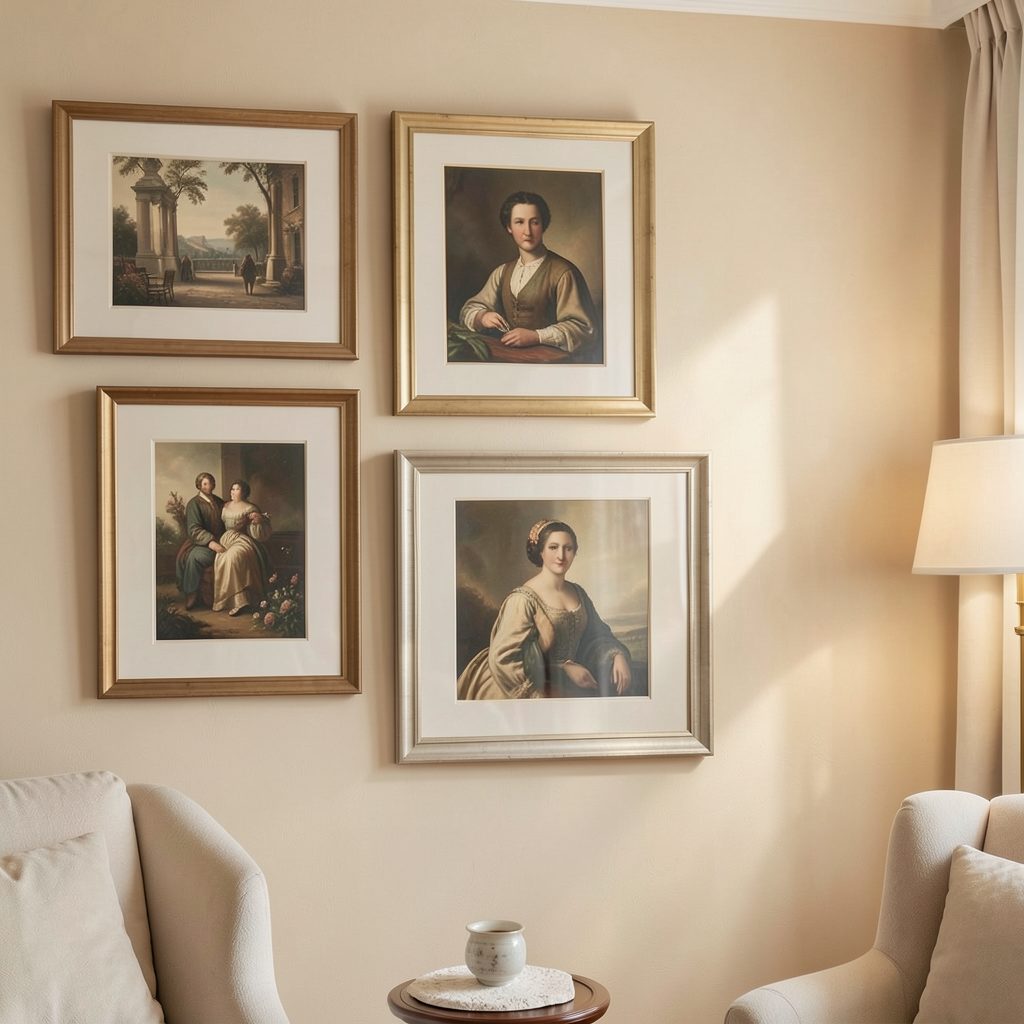
For a grouped display, work outward from the television instead of centering every piece around it. Position the largest artworks nearest the screen and allow smaller pieces to lead the eye toward the room’s edges. This arrangement repeats the screen’s geometry, breaks its isolation and creates a more relaxed relationship between technology and decoration.
The same principle applies when adapting ideas from an in-house gallery: translate the hierarchy, spacing and frame consistency to a domestic wall, but keep the result informal enough for family life. A strict museum grid can feel clinical above a sofa, while a loose salon arrangement often makes better use of an Australian home’s irregular architecture and practical cable routes.
Avoid surrounding the television with too many frames. That can make the screen resemble a missing central artwork rather than reducing its dominance. Instead, use one or two larger pieces and let negative space remain around the television. Before friends arrive, hide remote controls and visible leads in the media console or a covered cable channel so the finished composition retains its calm appearance.
Match colour, finish and frame
Choose artwork that relates to the room without copying every colour in it. Repeating two or three tones from the sofa, cushions or rug creates cohesion, while a contrasting artwork can provide welcome energy. If the television is pure black and the wall is stark white, a muted timber frame, soft mat board or pale botanical print can introduce warmth and reduce the screen’s severity.
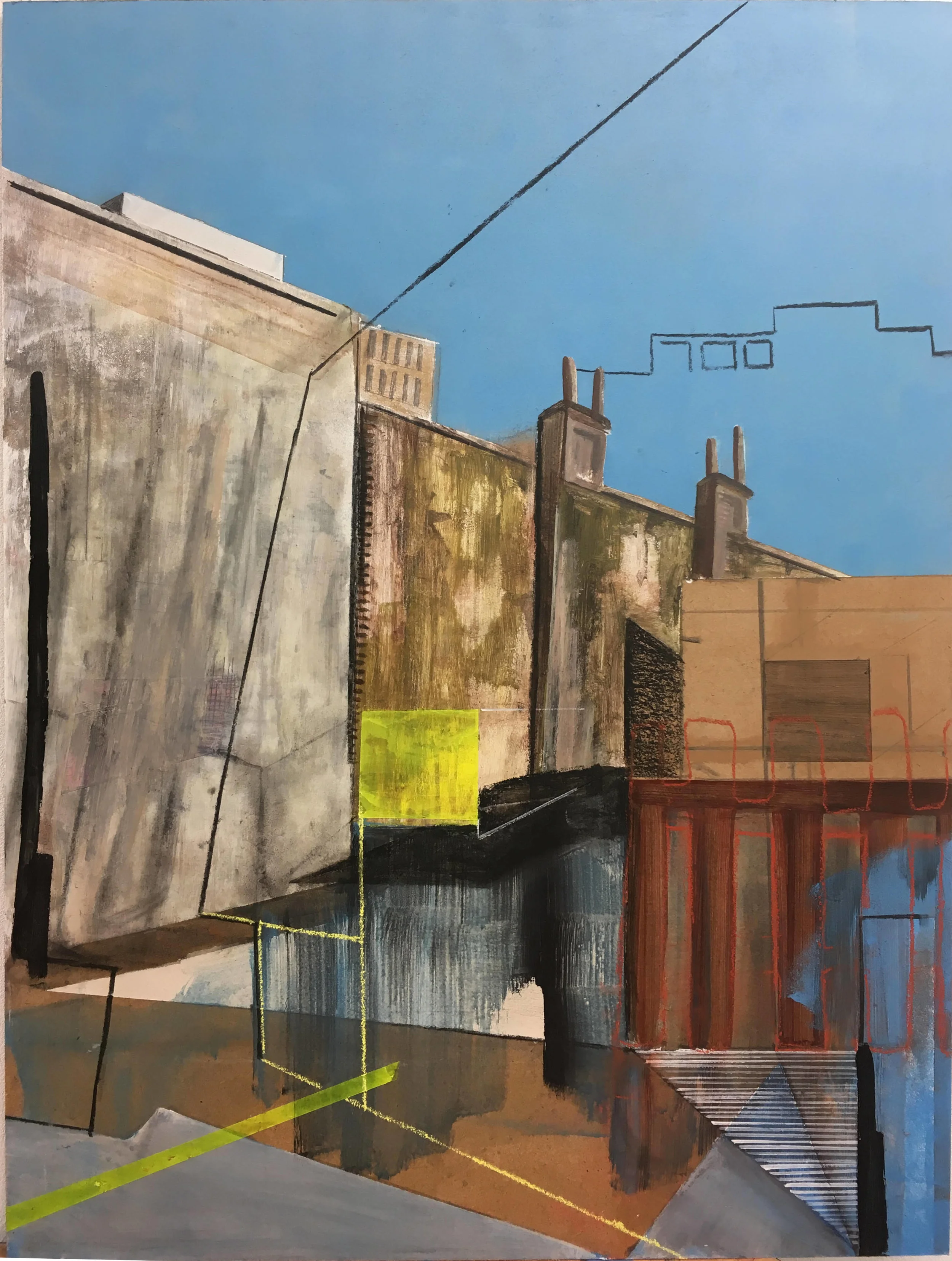
Australian-made prints and original work by local artists are widely available through independent studios, galleries and online marketplaces. Many Australian framers can also create custom sizes, which makes a single large canvas practical even when standard dimensions do not suit the wall. A slim frame in black can echo the television, while locally crafted timber or spotted gum adds texture and keeps the arrangement from feeling overly stark.
Australian summers can deliver strong ultraviolet light through east- and west-facing windows, so glazing matters as much as style. Ask about UV-filtering acrylic or museum-grade glass, particularly for paper-based prints, and avoid artwork that receives direct sunlight. Position the television perpendicular to windows where possible to reduce daytime glare, and rotate delicate pieces if their colours are beginning to fade.
Anchor the arrangement with the room
The artwork should connect to the furniture rather than float independently above it. A long horizontal composition can repeat the width of the sofa, while two vertical pieces can balance a tall media cabinet. Add visual weight at floor level with a substantial lamp, plant or ceramics if the artwork sits high, and use the television cabinet as a grounding element instead of allowing it to become a dark void.
A rug can gather the sofa and television zone into one place, making the whole arrangement feel intentional. When considering rug selection ideas, choose a size that reaches beneath the front legs of the seating and visually connects with the artwork’s colours. In an open-plan apartment, this is especially useful for defining the living area without adding walls or cumbersome furniture.
Keep circulation clear between the sofa, television and adjoining kitchen or patio, a common consideration in compact Australian homes. Art, lighting and textiles should frame the television without extending into walkways or distracting from the screen during viewing. If the media wall faces a bright window, lightweight curtains can soften glare while also making the artwork feel more integrated with the room.
Make it practical, then make it personal
Before installing anything permanently, check whether the wall is private property or common property. In NSW and Victoria, apartment owners’ corporation by-laws and rental agreements can determine whether drilling or attaching fixtures requires approval. Speak with the landlord or building manager, use suitable wall anchors and keep removable fixing options in mind for future changes.
Leave ventilation openings unobstructed, keep artwork away from heaters and account for children, pets and regular household movement. Dust frames gently, inspect fixings periodically and use acrylic glazing where broken glass would be a concern. Choose one piece to photograph and template first, then subscribe to Focus LDN for more practical guidance on creating comfortable, visually balanced Australian interiors.