How to mix painted and unpainted frames in a casual living room
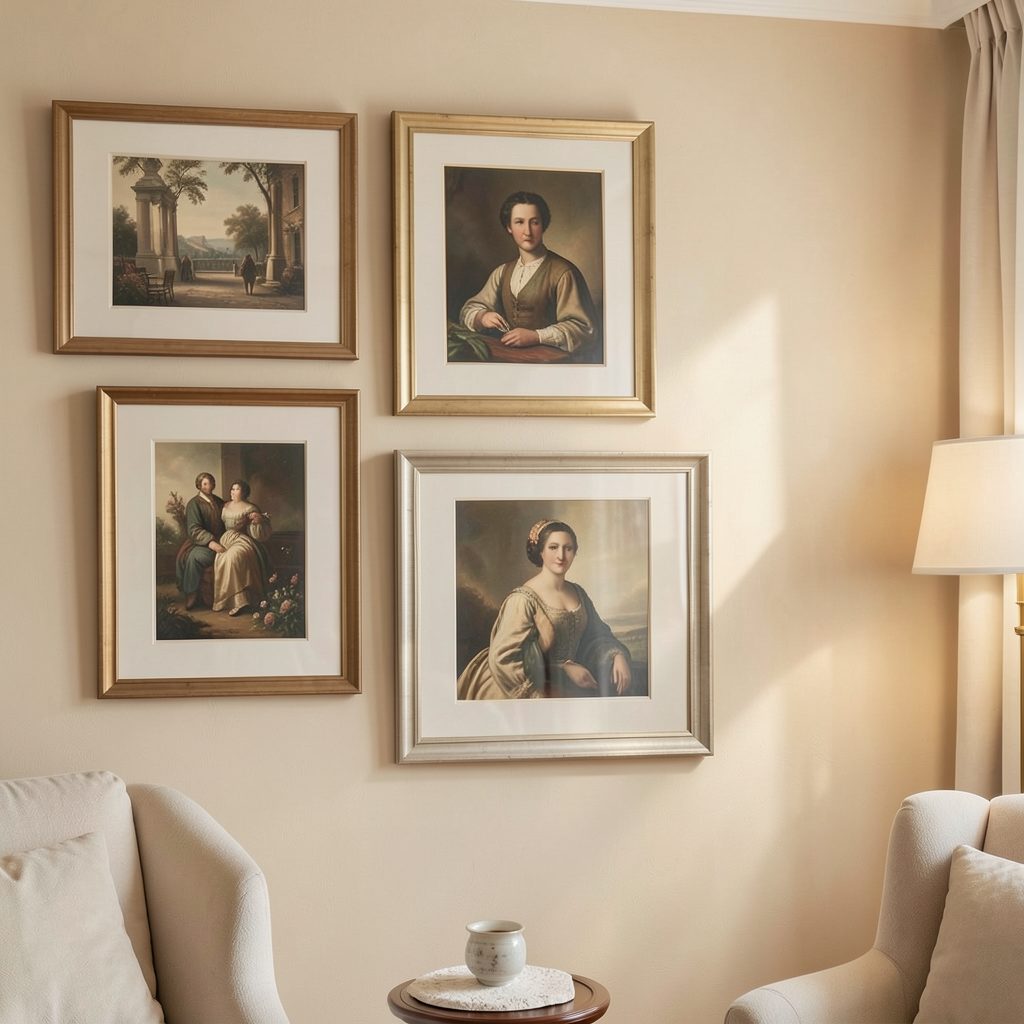
A relaxed living room does not need a perfectly matched collection of frames. Combining painted and unpainted finishes can create the layered, collected look of a home that has evolved over time, especially when the artwork includes family photographs, travel finds, prints and original pieces.
The trick is to give the mix a quiet sense of order. Colour, spacing, scale and placement should connect the frames, while small differences in timber, paint and texture keep the gallery wall from feeling overly styled. This approach works equally well in a compact Sydney apartment, a Queenslander in Brisbane or a coastal home near Fremantle.
| Frame finish | Visual effect | Best used for | How to balance it |
|---|---|---|---|
| Painted white | Light, clean and airy | Colourful prints or small rooms | Pair with warm timber nearby |
| Black painted | Graphic and defined | Modern photography and line art | Repeat black in furniture or lighting |
| Natural timber | Warm and relaxed | Landscapes, textiles and vintage art | Choose similar undertones |
| Dark stained wood | Rich and traditional | Portraits or moody artwork | Mix with lighter mats and walls |
| Mixed finishes | Collected and personal | Eclectic gallery walls | Repeat one colour or material |
Start with a simple visual anchor
Choose one or two larger artworks to establish the arrangement before adding smaller pieces. A broad canvas, an oversized photograph or a colourful abstract can act as the visual anchor above a sofa. The surrounding frames then support it rather than competing for attention.
For a casual living room, avoid making every edge line up perfectly. A loose salon-style arrangement feels more natural, while a few shared alignments—such as a common bottom edge or central vertical line—stop the display from looking random. Lay everything on the floor first and take a quick photograph before putting hooks into the wall.
Let the wall colour guide the mix
White or softly warm walls provide plenty of freedom. Painted frames in black, olive, terracotta or muted blue can bring definition, while bare timber adds an organic note. If the wall is already coloured, keep the frame palette more restrained so the artwork remains the focus.
Australian interiors often benefit from warmer neutrals rather than stark white. A soft limestone, sandy beige or pale greige wall works beautifully with spotted gum, oak and black frames. These tones also sit comfortably beside linen sofas, rattan furniture and the sun-faded colours common in coastal homes.
Connect different frames with colour
The artwork itself can create the link between contrasting frames. Look for a repeated colour across several pieces: ochre in a still life, green in a botanical print or rust in a photograph of an outback landscape. The frames do not need to match when the art shares a visual thread.
Mats can provide another unifying layer. White, cream or pale grey mats make painted and unpainted frames feel intentional, particularly when the artwork varies in style. For a more relaxed result, use a mixture of framed and unframed canvases, but keep the overall palette controlled.
Combine timber tones carefully
Natural timber frames bring warmth and texture, yet too many unrelated wood tones can make a gallery wall feel busy. Pick a dominant timber—such as pale oak or honey-coloured pine—and let one darker or more weathered frame act as an accent.
Unpainted frames are especially effective beside black or charcoal-painted frames because the contrast is clear without being harsh. In a Melbourne terrace or a renovated worker’s cottage, this pairing can echo timber floors, exposed shelving or an old sideboard. Avoid placing two very similar timber frames directly beside each other if their undertones clash.
Use scale to create an easy rhythm
Varying frame sizes gives a living room personality. Try one large piece, two medium works and several smaller images rather than filling the wall with identical rectangles. A few portrait-oriented frames can break up a row of landscapes or horizontal prints.
Keep the spacing fairly consistent—around five to eight centimetres is a useful starting point. Larger gaps can work around a substantial artwork, while smaller gaps make a dense collection feel cohesive. Leave breathing room around the whole arrangement so it relates to the sofa without appearing squeezed against the ceiling.
Make the display suit everyday living
A casual gallery wall should work with the way the room is used. In a family living room, place fragile glass-framed pieces away from busy walkways and secure larger frames with appropriate wall fixings. In a rental, a picture ledge can offer flexibility and reduce the need for multiple holes.
Mixing art with everyday objects can soften the display. A woven basket, a small ceramic plate or a postcard in a slim painted frame can sit comfortably beside professional prints. For ideas on selecting distinctive pieces, browse a considered art edit before deciding how formal or eclectic the collection should be.
Refine the arrangement over time
The best mixed-frame walls rarely happen in one shopping trip. Begin with pieces you already own, then add new art slowly from local markets, independent galleries and framing shops. Australian cities offer plenty of useful sources, from weekend design markets in Sydney to gallery precincts in Melbourne and small regional exhibitions along the coast.
When a frame feels too dominant, repaint it in a soft neutral or replace the artwork with a wider mat. When the wall looks flat, introduce texture through raw timber, linen-backed work or a shallow shadow-box frame. More guidance on adapting artwork to different rooms can be found in this guide to bringing art into your space.
A successful combination of painted and unpainted frames should feel collected rather than calculated. Give the arrangement a common thread through colour, scale or spacing, then allow a few irregular details to show personality. Save your favourite layout, add pieces as you find them and subscribe to Focus LDN for practical ideas on gallery walls, artwork display and stylish home living.