A Calm, Curated Approach to Photo Collage Walls
A photo collage wall can bring personality to an apartment without making the room feel visually noisy. The difference lies in editing: a limited palette, consistent spacing and a clear relationship between the images will make a collection appear designed rather than accidental.
This approach works in compact Australian homes, from a terrace in Melbourne to a light-filled unit in Brisbane. It also suits renters who need reversible decorating solutions, as well as homeowners looking for a gallery-style display that feels relaxed, polished and personal.
Learning how to make a photo collage wall feel uncluttered and intentional starts before anything is placed on the wall. The strongest arrangements usually come from deciding what to leave out, where the eye should rest and how the display connects with the furniture below it.
Start With A Focused Image Collection
Choose photographs that share at least one visual quality. This might be a warm neutral colour palette, similar lighting, black-and-white processing or a recurring subject such as architecture, coastlines or family portraits. A consistent thread creates cohesion even when the images come from different years and locations.
Spread everything across the floor before hanging it. Remove photographs that feel repetitive, too dark or unrelated to the mood of the room. Eight well-chosen images often look more sophisticated than twenty competing for attention, particularly in smaller Sydney or Melbourne apartments.
Choose Frames That Create Rhythm
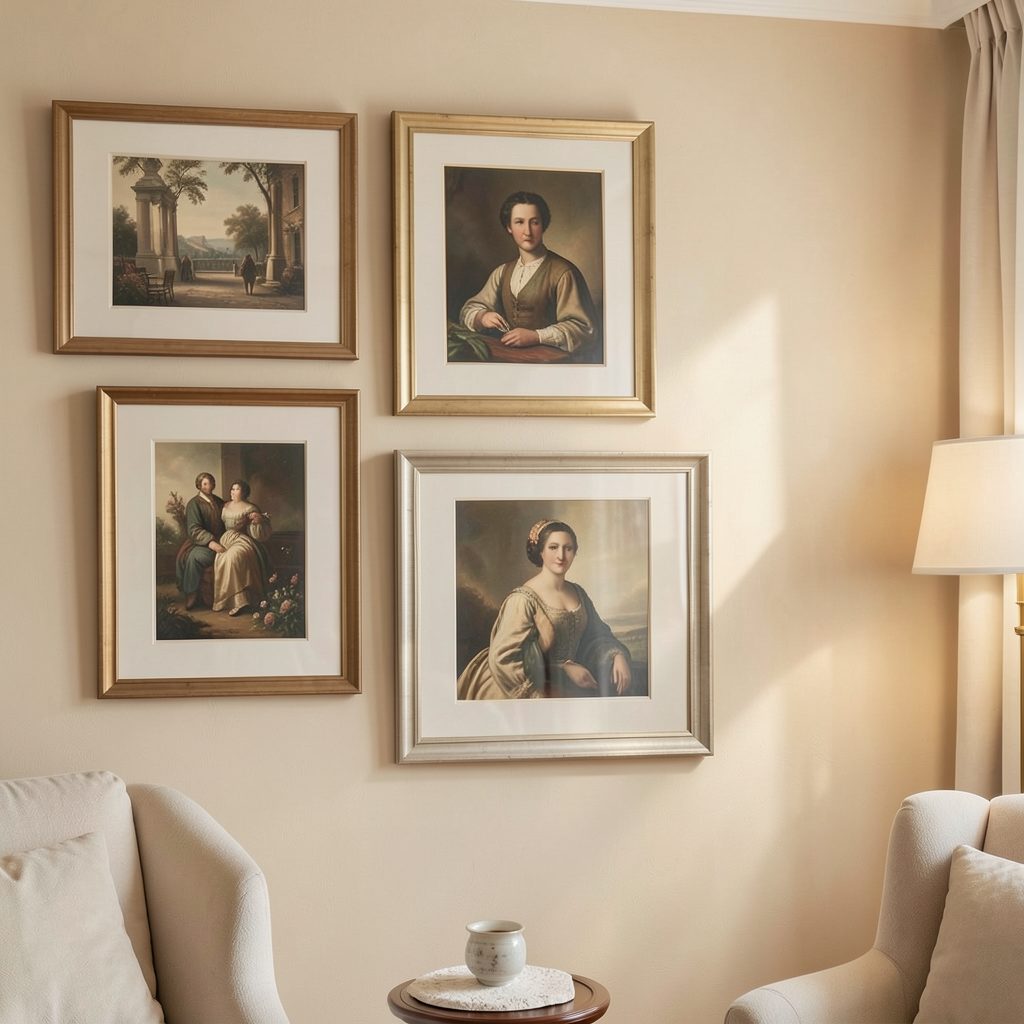
Matching frames are the easiest way to create an uncluttered photo display. Black frames give a graphic, modern effect, while pale timber softens a Scandinavian or coastal interior. A single frame finish can unify photographs with very different colours and compositions.
If you prefer an eclectic look, repeat two or three frame styles rather than using a different finish for every picture. Keep the mounts consistent where possible, too. White borders around photographs provide breathing space and can make a dense collection feel lighter.
Use A Reliable Layout
A simple grid is ideal when you want a calm, architectural result. Align the outer edges and keep the gaps between frames equal, usually around five to eight centimetres. The arrangement will look intentional even if the photographs themselves vary in size.
For a more relaxed composition, begin with the largest image and build outward in balanced clusters. Keep the overall shape roughly rectangular rather than allowing the display to trail randomly across the wall. The gallery wall guide offers useful visual principles for balancing artwork, scale and negative space.
Give The Wall Enough Breathing Room
A collage wall needs empty space around it. Avoid pushing frames into corners, light switches or ceiling lines, as this makes the display feel cramped. Leave a clear margin around the full arrangement so it reads as one considered feature rather than scattered decoration.
The furniture below also affects the sense of space. Hang the lowest frame approximately 15 to 25 centimetres above a console, sideboard or bedhead, adjusting slightly for the proportions of the room. In a narrow Australian hallway, a smaller arrangement with generous margins will usually feel better than filling every available section.
Consider Light And Sun Exposure
Australian sunlight can be intense, especially in north-facing rooms and homes with large windows. Direct sun may fade photographic prints, yellow paper and damage delicate originals over time. Position valuable or irreplaceable photographs away from harsh afternoon light where possible.
For bright rooms, use UV-protective glazing or choose high-quality reproductions for the display. Window coverings can help control glare, while museum-style mounts prevent photographs from pressing directly against the glass. These small decisions matter in warmer cities such as Perth, Brisbane and Darwin.
Make The Display Rental-Friendly
Before drilling, check your rental agreement and the rules that apply to the property. Residential tenancy legislation differs between Australian states and territories, and landlords may require approval for fixtures or wall alterations. Apartment residents should also consider strata or body corporate requirements, particularly where wall damage or shared surfaces are involved.
Removable picture-hanging strips, lightweight frames and a carefully measured paper template can reduce risk. Products from Bunnings and other local hardware retailers make temporary installation accessible, but always follow the weight limits and surface instructions. Keep the original fittings so the wall can be restored when you move.
Connect The Collage To The Room
A photo display feels most intentional when it repeats colours and textures already present in the space. Pick up a shade from a rug, cushion or ceramic vase, or echo the timber tone of a nearby shelf. The connection can be subtle; an exact match is unnecessary.
Leave room for the display to develop slowly. Australian interiors often benefit from a collected feel, whether the photographs come from weekend trips along the Great Ocean Road, family gatherings or local art markets. Add one image at a time only when it strengthens the composition, rather than filling an empty gap for its own sake.
Use the same editing discipline across the rest of the room. A restrained surface, one sculptural object and a few thoughtfully placed books will support the wall without competing with it. For further ideas on gallery-style interiors and considered home decorating, explore Focus LDN.
Measure the wall, test the arrangement with paper templates and edit the photographs before reaching for a hammer. With consistent spacing, suitable frames and enough negative space, your photo collage wall can become a personal focal point that feels calm, balanced and made for the room.