Lighting a Gallery Wall With Picture Lights and Track Lighting
A well-lit gallery wall can turn a narrow Sydney apartment hallway into a private viewing room or give a Melbourne terrace a contemporary, gallery-like feel. Lighting shapes how artwork reads, so choosing between picture lights and track lighting is about more than aesthetics — it is about how you want viewers to experience colour, texture and shadow.
The right system depends on your wall size, ceiling height and how the room is used day to day. A renter in Brisbane may need a non-permanent solution, while a homeowner in Adelaide might be ready to hardwire fixtures. Understanding the strengths of each option helps you commit to a setup that flatters the art and suits the home.
How Picture Lights Shape a Gallery Wall
Picture lights sit directly above a frame, casting a soft wash downwards onto the canvas or print. They create a focused pool of illumination that draws the eye to a single piece, which is ideal if your wall is built around one hero artwork or a symmetrical pair above a console. In period apartments around Paddington or Surry Hills, slim brass picture lights often complement Federation-era detailing.
Because they sit close to the art, picture lights produce subtle shadows beneath brushstrokes, giving oil paintings more dimension. Wireless and rechargeable options have become popular in Australian rentals, where drilling into plaster walls can be restricted by landlords. When browsing ranges, look for adjustable heads so the beam can be tilted away from glass to reduce glare.
Track Lighting for Flexible Wall Coverage
Track lighting uses a ceiling-mounted rail with movable heads, allowing you to aim light at multiple frames from a distance. This is well suited to long walls in open-plan apartments, where a single rail can illuminate a series of prints or a salon-style hang. In newer developments around Barangaroo or Southbank, ceiling heights often exceed 2.7 metres, which gives track heads enough clearance to wash light down without hotspots.
A track system is also practical when you frequently rearrange artwork. Heads can be rotated or swapped without rewiring, which appeals to renters in inner-city Melbourne or share houses in Fortitude Valley. Choose a track with dimmable LEDs and make sure the driver is compatible with Australian 230-volt supply. Many local suppliers now stock low-profile tracks that sit close to the ceiling, a useful feature in rooms with ornate cornices.
Beam Angles, Colour Temperature and Spacing
The beam angle of a fixture determines how concentrated the light appears. A narrow 15–25 degree beam creates a tight spot on a single frame, while a wider 36–45 degree beam suits larger works. Picture lights typically deliver a soft, fixed spread, whereas track heads let you mix angles on the same rail to handle different frame sizes.
Colour temperature is equally important. A warm 2700–3000K bulb flatters traditional oils and timber frames, while a neutral 3500–4000K bulb suits contemporary photography and minimalist interiors. Aim for a CRI above 90 so colours stay true, especially in rooms that double as workspaces in Perth or Adelaide home offices. When spacing fixtures, position track heads roughly 30–40 centimetres from the wall and centre each head over the middle of its target frame.
Australian Installation Considerations
Australian electrical standards require that hardwired lighting be installed by a licensed electrician under AS/NZS 3000 wiring rules. This applies to most track lighting and any picture light connected to mains power. Battery-operated picture lights, by contrast, can be installed without an electrician, making them a sensible option for renters in Sydney's Eastern Suburbs or Brisbane's West End.
Older Federation and Victorian homes may have heritage overlays that restrict visible cabling or ceiling fixtures. In these cases, a plug-in picture light with a fabric-wrapped cord can provide a tidy workaround. Coastal homes from Coffs Harbour to Fremantle should specify fixtures with corrosion-resistant finishes to handle salt air, while ceiling insulation in newer Canberra apartments may require IC-rated recessed tracks to prevent overheating.
Picture Lights and Track Lighting Compared
Both approaches can flatter a gallery wall, but they serve different purposes. Picture lights deliver intimacy and a curated feel, while track lighting offers flexibility and broader coverage. The table below summarises the key trade-offs to help you choose.
| Feature | Picture Lights | Track Lighting |
|---|---|---|
| Best for | One or two feature frames | Multiple works or changing displays |
| Installation | Often simple, sometimes battery-powered | Usually hardwired, needs electrician |
| Adjustability | Fixed aim, head tilt only | Heads rotate and slide along track |
| Visual impact | Decorative, often brass or matte black | Minimal, ceiling-focused |
| Rental friendly | Rechargeable and plug-in options widely available | Less suitable, fixed to ceiling |
| Glare control | Good when aimed correctly | Requires careful head positioning |
For many Australian homes, a hybrid setup works well — track lighting for the main salon wall and a small picture light over a standout piece in the entry.
Styling the Lit Wall
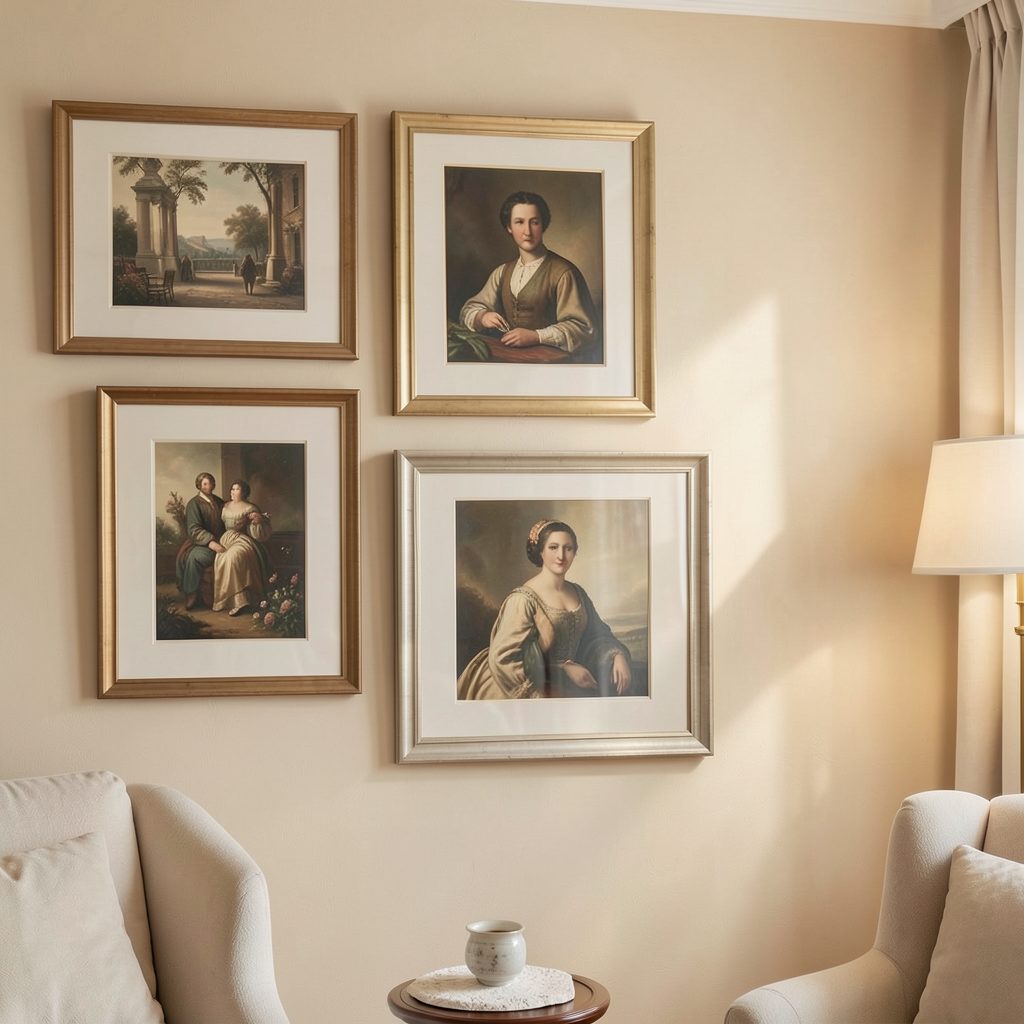
Once the lighting is in place, the styling of the wall becomes easier. A consistent frame colour or material helps the light read as one cohesive display rather than a collection of separate spots. In breezy coastal apartments from Coffs Harbour to Fremantle, matte finishes tend to handle salt air better than high-gloss lacquers.
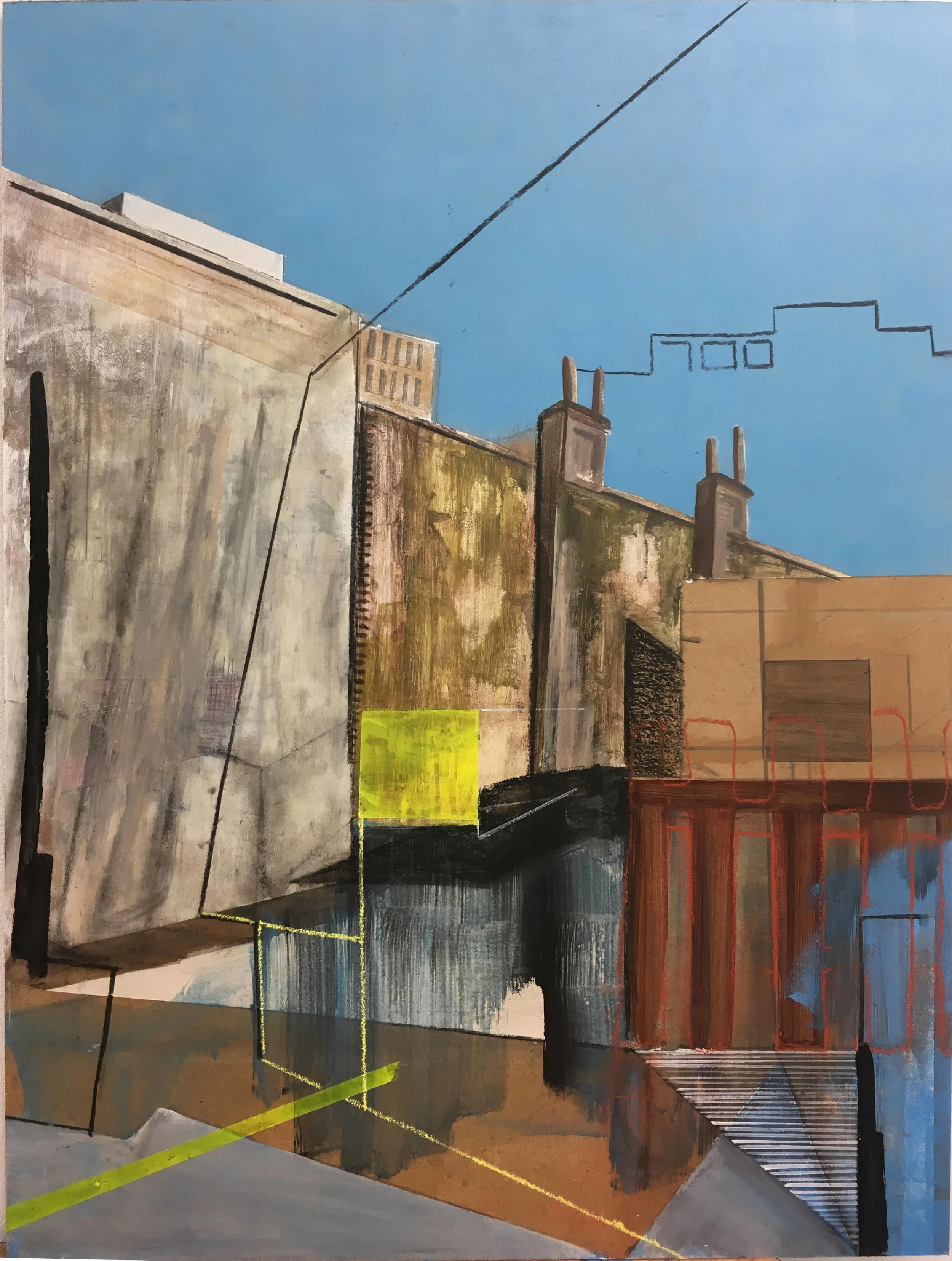
Artworks with heavy texture, such as impasto oils or woven pieces, benefit from raking light that emphasises surface depth. Picture lights placed slightly to one side achieve this beautifully, while track heads can be angled to create the same effect. Browse a curated gallery art selection to see how different mediums respond to warm and cool light sources.
Quick Wins and Common Pitfalls
Simple upgrades that lift a lit wall:
- Choose dimmers so the wall can shift from daytime brightness to evening ambience.
- Match the metal finish of picture lights to nearby hardware, such as door handles or tapware.
- Use frosted LEDs to soften the beam on glossy prints.
- Add a small motion sensor in hallways so art lights up as you walk past.
Mistakes worth avoiding:
- Aim lights away from glass to prevent harsh reflections on framed prints.
- Keep colour temperatures consistent across the same wall to preserve visual flow.
- Check ceiling junction points before committing to a track system in older homes.
- Leave clearance above tall frames for an adjustable picture light head.
A thoughtful lighting plan turns a blank wall into a quiet, gallery-like moment at home. Start with one approach, test the beam at night and adjust the aim until the art feels alive. Subscribe to Focus LDN for more apartment styling ideas, or share your own lit gallery wall with us on social media.