How to Hang a Heavy Canvas Safely on Plaster Walls Without Studs
G'day, art lover. Whether you've picked up a striking piece from a Sydney gallery opening or finally framed that print you've had tucked under the bed, getting a heavy canvas securely onto a plaster wall is a job worth doing properly. Most Australian homes built after the 1950s use plasterboard (often called gyprock), which means the wall behind your paint is essentially a sandwich of compressed chalk between two layers of paper. It's smooth to look at, but it doesn't hold a nail the way a chunky timber stud does.
The good news is that you don't need a stud to hang something substantial. With the right wall anchor, a steady hand, and a few tips from tradies who work on Queenslanders and Federation terraces every arvo, your canvas will sit flush and safe for years to come.
Why Plaster Walls in Australian Homes Behave Differently
Plasterboard is the default wall lining in most Aussie builds, from inner-city Melbourne apartments to suburban fibro renovations. Older homes in places like Paddington or Newtown often have true lath-and-plaster construction over timber studs, which is gorgeous but crumbly. Newer builds use 10mm or 13mm plasterboard sheets fixed to a metal or timber frame.
The catch is simple: plasterboard has very little holding power on its own. A standard picture hook driven straight into the sheet might hold a few kilograms before it pulls out, especially if the canvas swings slightly when someone walks past. That's why folks hanging anything over about 5kg need an anchor that spreads the load behind the wall rather than relying on the surface layer alone.
Tools Worth Picking Up from the Local Hardware
Before you start, pop down to your nearest Bunnings Warehouse or independent hardware store and grab the essentials. A quick trip on a Saturday morning means you'll be sorted by lunch.
- A cordless drill with a small bit set, sized in millimetres rather than inches
- A spirit level or laser level
- A pencil and a soft tape measure
- A step ladder if the canvas is wider than your arms can reach
If the canvas isn't framed yet, browse the steps on the framing guide so the right hanging hardware is built into the stretcher bars from day one.
Comparing Wall Anchors for Plasterboard
Not all anchors are created equal, and picking the wrong one is the most common reason canvases end up on the floor. Here's a quick rundown of what works for different weights and wall types.
| Anchor Type | Best For | Load Rating | Installation |
|---|---|---|---|
| Self-drilling drywall anchors | Light to medium canvases | Up to 10kg | Small pilot hole, screw in by hand |
| Plastic expansion anchors | Heavier pieces | Up to 20kg | Drill 8mm hole, tap in, then screw |
| Toggle bolts | Very heavy artworks | Up to 30kg+ | Drill 10mm hole, fold wings, push in, tighten |
| Snap-toggle anchors | Heavy canvases on hollow walls | Up to 35kg | Drill hole, insert, pull tight to set behind wall |
For most canvases weighing between 5 and 15 kilograms, plastic expansion anchors paired with a sturdy D-ring and wire on the back of the canvas will give you peace of mind. If you're hanging something truly hefty, toggle bolts are your mate.
Finding a Solid Spot Without a Stud Finder
Stud finders are handy, but you can locate a stud the old-school way too. Knock along the wall with your knuckle and listen for the dull thud that signals a timber stud behind the plaster. In modern Aussie homes, studs sit roughly 450mm or 600mm apart, centre to centre, which lines up with standard framing practice.
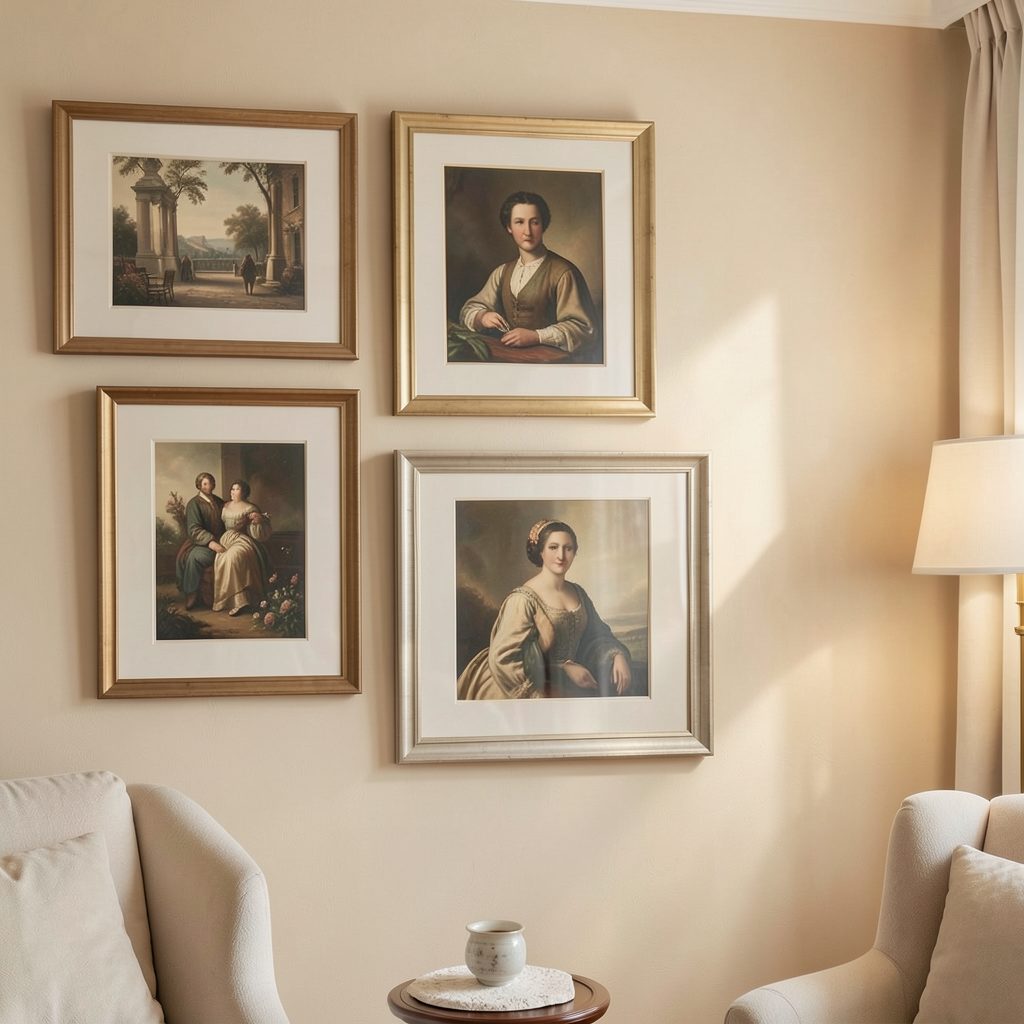
If there's no stud in the spot you want, don't stress. That's the whole reason anchors exist. Mark the hanging point with a pencil, hold the level up against the wall, and check that your mark lines up with where the centre of the canvas will sit. If you're hanging multiple pieces, lay them out on the floor first to decide on the spacing, then measure twice before drilling once.
Step-by-Step Hanging Method for Heavier Canvases
Start by assembling the hardware on the canvas itself. Most stretched canvases come with sawtooth hangers or pre-stretched wire, but for anything over 8 kilograms, swap those out for a pair of heavy-duty D-rings screwed into the timber stretcher bars on either side of the frame. Run a galvanised picture wire between them and wind each end twice around the ring before twisting it back on itself.
Next, mark two anchor points on the wall where the wire will rest, drilling each hole to the size recommended on the anchor packet. Push the anchors in flush with the wall surface, then screw in a sturdy picture hook or a small eye screw that matches the anchor thread. With a helper if the canvas is wide, lift it onto the hooks, step back, and adjust until the wire settles evenly without straining either side.
Common Pitfalls in Heritage and Federation Homes
Period homes across Sydney's east and inner Melbourne come with quirks worth respecting. Lath-and-plaster walls in a 1900s terrace can crumble if you drill too aggressively, and the timber laths behind can split. Go slowly, use a smaller drill bit than you think you need, and clear the dust as you go.
Another common trap is assuming the wall is solid brick because the surface feels hard. Many older Aussie homes are brick-veneer, which means a single skin of brick outside, a cavity, then plasterboard inside. The cavity is what matters when you're choosing anchors, so always treat the wall as hollow unless you've confirmed otherwise with a careful test drill.
Watch out for these recurring mistakes when working on older walls:
- Skipping the test drill and committing straight to your chosen anchor size
- Using plastic anchors on crumbling lath-and-plaster that won't grip the back
- Hanging a heavy canvas from a single central point instead of two spread anchors
- Ignoring rising damp, which weakens plaster from behind and ruins anchors fast
Looking After Your Artwork Once It's on the Wall
Once the canvas is up, give the wire and hooks a quick check every few months. Timber frames expand slightly through Sydney's humid summers and shrink during dry Perth winters, which can loosen screws over time. If you notice it leaning, tighten the D-rings first rather than the wall anchors.
Keep large canvases away from direct afternoon sun pouring in through west-facing windows, and well clear of any heating vents. A bit of care goes a long way, and you'll have a properly displayed piece to enjoy for years. For more inspiration on curating your walls at home, swing by gallery-in-house for a stack of styling ideas suited to Aussie interiors.
Drop us a comment if you've wrestled with a stubborn plaster wall of your own. Sharing what worked (or what didn't) helps the whole Focus LDN community hang better, frame smarter, and keep those canvases right where they belong.