How to Hang Art in a Corner for Instant Visual Interest
A neglected corner can become one of the most characterful areas in an apartment. Instead of treating the meeting point of two walls as dead space, use it to create a layered art display that draws the eye around the room.
Corner arrangements work particularly well in compact Australian homes, where open-plan living rooms, narrow hallways and apartment layouts often leave awkward gaps. A considered group of prints can give those spaces structure without making them feel crowded.
The secret is to think beyond a single picture hung on one wall. Artwork can wrap around a corner, sit beside a tall piece of furniture or create a visual bridge between separate zones. The result feels intentional, even when the display uses affordable prints and found frames.
Before reaching for a hammer, consider the light, furniture, wall colour and viewing angle. A corner seen from the sofa needs a different arrangement from one beside a front door, bedroom wardrobe or bathroom vanity.
Choose The Right Corner
Look for a corner that already has a visual purpose. The space beside a reading chair, the end of a hallway or the area above a small console table can all support an artwork arrangement. Corners with natural light are especially effective because changing daylight adds movement to the display.
In a Melbourne terrace or a Sydney apartment, a narrow vertical corner may suit two or three stacked frames. A broader Brisbane living room corner can handle a larger composition with a floor lamp, plant or sculptural object. Measure the available wall area first, including the height above nearby furniture.
Avoid corners that are regularly bumped, exposed to steam or hidden behind doors. In a rental, removable picture hooks can be useful, though heavier frames may require landlord-approved hardware. Always check the weight rating and test the placement with paper templates before installing anything.
Build A Balanced Composition
The most reliable corner gallery wall begins with one anchor piece. This might be a large photograph, a bold abstract work or a framed textile. Place it on the dominant wall, then add smaller works that continue towards the adjoining wall.
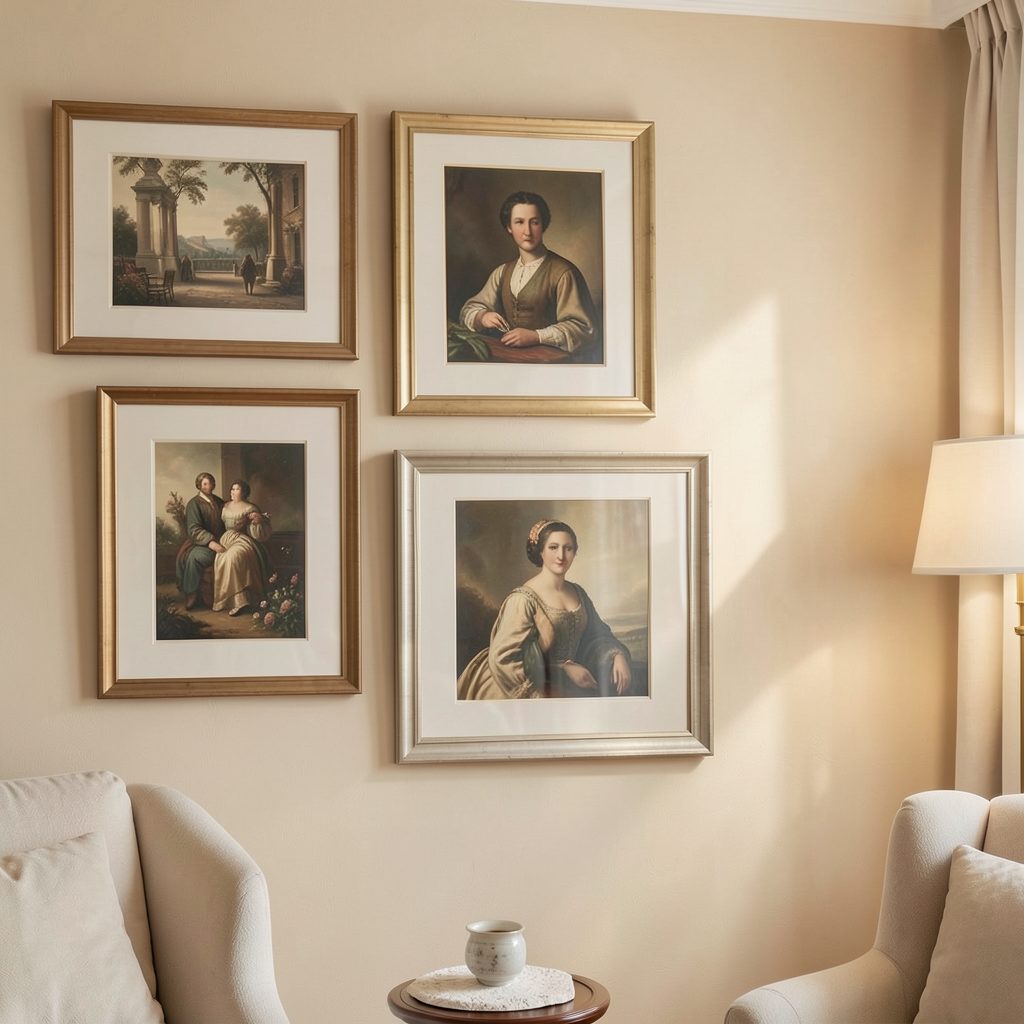
Keep the arrangement connected through one repeating element. Matching black frames, a shared mat colour or a restrained palette of ochre, cream and charcoal will make varied artwork feel cohesive. For inspiration on combining prints, paintings and objects, explore these gallery wall ideas before selecting individual pieces.
A useful layout has a visual centre around eye level, usually 145 to 155 centimetres from the floor to the centre of the main artwork. In a corner, allow the display to rise slightly higher if the walls are tall, but keep the lower edge related to nearby furniture rather than leaving an unexplained gap.
Work With The Corner’s Geometry
There are several ways to arrange artwork around a corner. The simplest is a straight continuation: hang two similarly sized frames on adjoining walls at the same height. This creates a crisp turn and suits minimalist interiors.
For a softer effect, stagger the frames so the display moves gradually from one wall to the next. A tall work can sit on the main wall, followed by smaller pieces that step down towards the corner. This arrangement works well above a bench, low cabinet or slim hallway table.
Do not push frames directly into the corner. Leaving a small breathing space, usually five to ten centimetres, prevents the display from looking cramped and makes each wall plane easier to read. The exact distance matters less than keeping it consistent.
Select Frames That Suit The Room
Frame choice can determine whether a corner display feels curated or chaotic. Timber frames bring warmth to white walls and work beautifully with Australian landscapes, botanical prints and woven art. Fine black frames provide definition in a modern apartment, while white frames keep a small room visually light.
You can mix frame styles if another feature creates a link. For example, pair a natural oak frame with a timber stool or repeat a brass finish in a lamp and picture hardware. When the frames vary, keep the spacing and alignment disciplined.
Consider glazing as well. Standard glass is economical, while acrylic is lighter and safer in homes with children or pets. Anti-reflective glazing can be worthwhile in a bright north-facing room, particularly in Australia’s strong summer sun.
Add Depth With Nearby Objects
Artwork does not need to do all the work. A corner becomes more engaging when pictures interact with objects at different heights. Place a narrow plant stand, ceramic vessel or floor lamp beneath the arrangement to create a layered vignette.
A low-pile rug can help anchor the whole area, especially when the corner forms part of a living room seating zone. A carefully chosen rugs and decor combination can repeat colours from the artwork while making the display feel connected to the floor.
Keep supporting objects simple. Too many ornaments compete with the artwork and make a small corner feel congested. One tall element, one low element and a little negative space are often enough to create depth.
Use Colour To Guide The Eye
Colour is a practical tool for making an unusual corner feel deliberate. Choose one or two tones from the room and use them across the artwork, frame mats and accessories. Terracotta can echo brickwork in a heritage home, while eucalyptus green complements pale timber and neutral upholstery.
If the walls are dark, lighter prints and warm timber frames will stand out. On pale walls, a monochrome arrangement can provide definition without overwhelming the room. A small amount of contrast at the corner helps the eye register the change in direction.
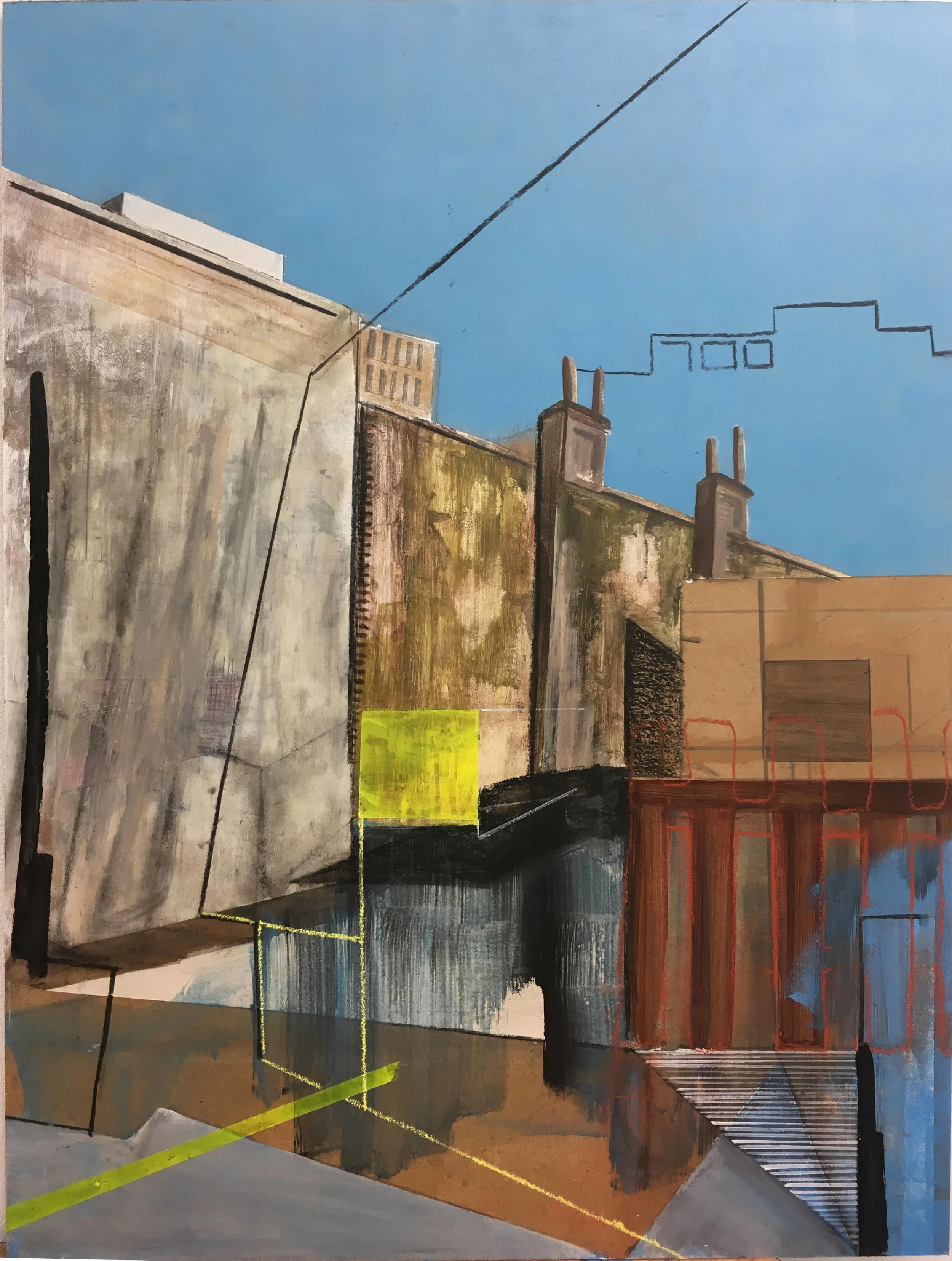
Artwork from local makers can add a strong sense of place. A coastal print from a Sydney artist, a bold abstract from a Melbourne studio or a contemporary First Nations artwork sourced through an appropriate gallery can make the display feel personal rather than mass-produced. Check provenance and artist information before buying.
Finish The Display With Care
Use paper templates to map every frame before drilling. Tape the shapes to both walls, view them from the doorway and sit in the room to check how the arrangement reads at different distances. This step is especially valuable when a corner is visible from several parts of an open-plan home.
Measure gaps rather than relying on instinct. Around five to eight centimetres between frames usually feels cohesive, while a slightly larger gap can separate a dominant piece from supporting works. Use a spirit level and install the most substantial frame first.
A corner display can also set the tone for adjoining spaces. If you are attending an exhibition or gallery opening, thoughtful gallery opening attire may help you notice how professional displays use scale, spacing and lighting. Bring those observations home without copying the arrangement exactly.
Refresh the display seasonally by swapping one print, changing a mat or repositioning a small object. Keep the main anchor in place so the composition remains stable, then let smaller details evolve with the room.
Turn an overlooked corner into a display with personality by starting with one strong artwork, measuring carefully and allowing the arrangement to wrap naturally across both walls. Browse local makers, test layouts with paper templates and choose frames that support the architecture of your home. Subscribe to Focus LDN for practical ideas on gallery walls, artwork display and stylish everyday living.