How to Hang Art Above a Bed Without a Headboard
A bed without a headboard can look beautifully streamlined, but the blank wall above it needs careful treatment. Artwork provides a visual anchor, adds colour and personality, and helps the sleeping area feel finished without making the room feel crowded.
The key is to balance scale, safety and calm. Whether you live in a compact Sydney apartment, a Melbourne terrace or a breezy coastal home in Queensland, the right hanging height and frame arrangement can create a polished bedroom display.
| Display approach | Best for | Main benefit | Watch out for |
|---|---|---|---|
| One large artwork | Wide beds and minimalist rooms | Strong, restful focal point | Avoid a frame that is too narrow |
| Pair of works | Balanced, symmetrical interiors | Creates width without bulk | Keep spacing consistent |
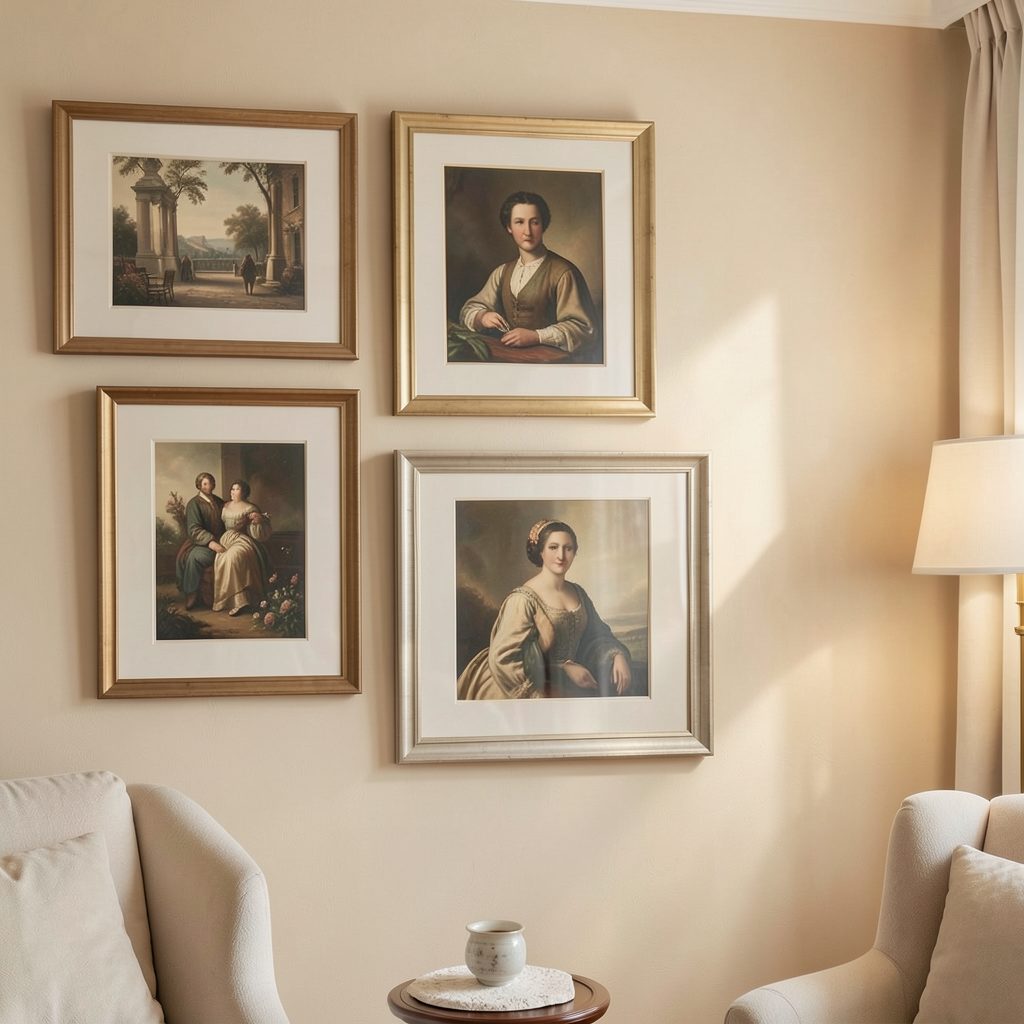
| Gallery arrangement | Eclectic or collected rooms | Adds personality and movement | Use a clear outer shape |
| Textile or canvas piece | Soft, relaxed bedrooms | Reduces visual hardness | Secure lightweight materials carefully |
| Picture ledge | Flexible styling | Easy to refresh seasonally | Fix the ledge firmly to studs |
Choose The Right Scale
For a queen or king bed, artwork should usually span around two-thirds to three-quarters of the mattress width. A single oversized canvas can work especially well in a minimalist bedroom, while two or three smaller pieces should form a unified horizontal group rather than floating as unrelated objects.
Measure the bed first, then mark the intended width on the wall with painter’s tape. This simple step reveals whether the arrangement feels substantial enough. In a narrow Brisbane bedroom, a vertical artwork may suit the proportions better, while a broad landscape print can visually widen a compact room.
Leave enough breathing space between the mattress and the bottom of the frame. Around 20 to 30 centimetres is a useful starting point, although low-profile beds may need slightly less. The artwork should feel connected to the bed without appearing close enough to touch when someone sits up.
Select A Safe Hanging Position
A bed wall requires stronger fixing than a hallway wall because frames sit above a sleeping area. Locate wall studs with a stud finder where possible, particularly for large framed prints, mirrors or timber-mounted pieces. Australian plasterboard walls can vary considerably, and a standard picture hook may not be suitable for heavier work.
Use two fixing points for wide or weighty frames to prevent tilting. A French cleat offers excellent support for substantial artwork, while rated plasterboard anchors are useful when a stud is unavailable. Check the weight rating on the hardware rather than relying on appearance.
If the wall is brick or concrete, choose masonry fixings and use the correct drill bit. This is especially relevant in older terrace houses in Melbourne or converted warehouse apartments in Sydney. For an exposed brick feature wall, consider how brick engraving techniques and surface details can influence the character of the surrounding display.
Build A Calm Composition
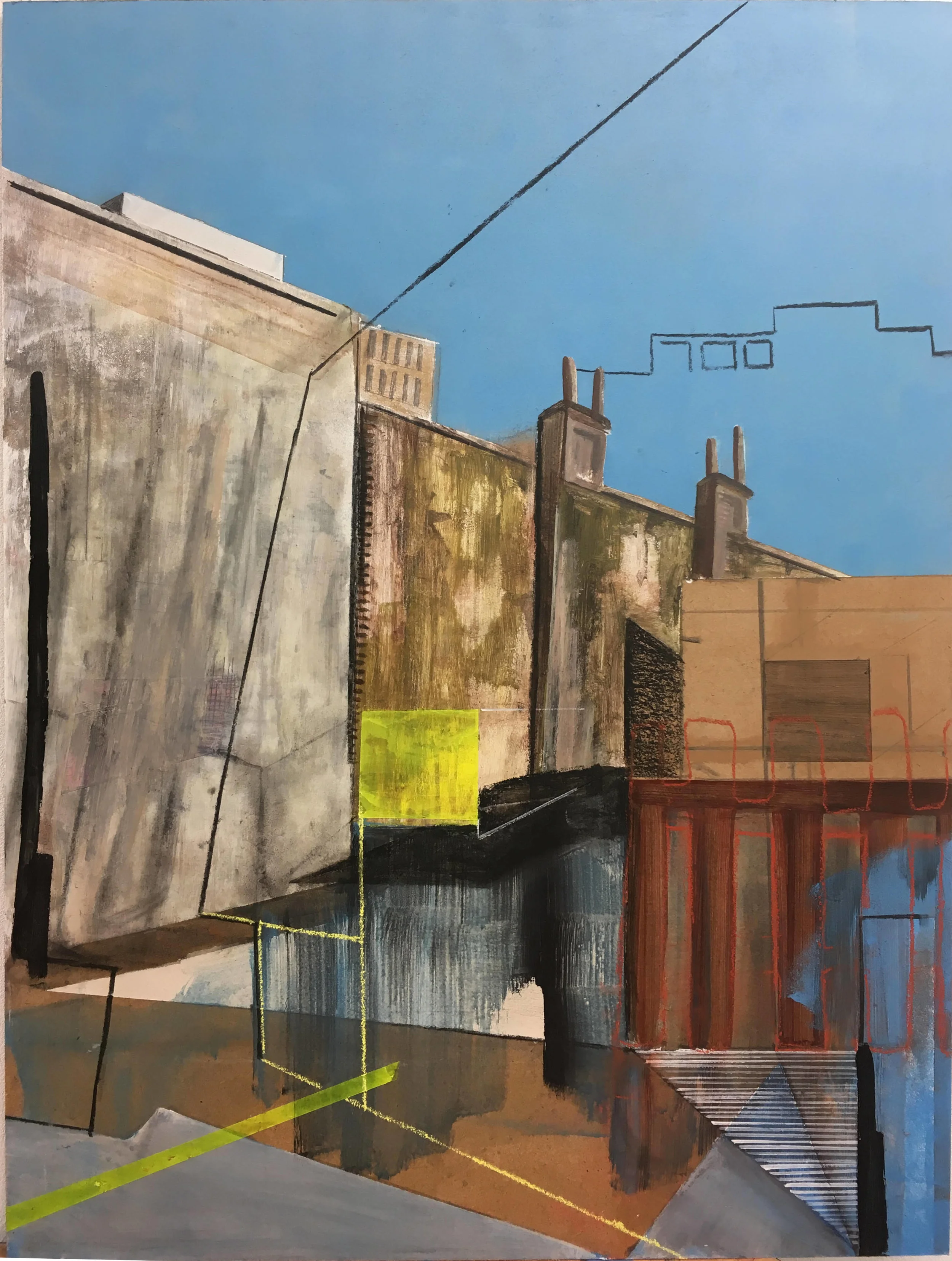
Bedrooms benefit from artwork with a quieter visual rhythm. Soft landscapes, abstract shapes, botanical studies and restrained photographic prints can create interest without competing with bedding or bedside lighting. Limit the palette to two or three colours already present in the room for a considered result.
A gallery wall above a bed does not need to contain many pieces. Three aligned works can look more restful than a dense collection, particularly in a small apartment. Use matching frames for a tailored interior, or combine timber, white and black frames when you want a relaxed gallery-style effect.
For a cohesive arrangement, lay the frames on the floor before making holes. Keep the gaps between pieces consistent, usually between five and eight centimetres. The outer edges should create a recognisable rectangle, arch or gentle staircase rather than an accidental scatter.
Plan The Hanging Heights
The centre of the artwork group should sit close to eye level when viewed from a standing position, but the bed determines the final placement. The lower edge should remain clearly above pillows and should not be obscured by cushions. In rooms with high ceilings, resist the temptation to push the composition too far upwards.
Mark the wall with removable tape and step back several metres. View the arrangement from the doorway, the foot of the bed and each side of the room. This is particularly helpful in open-plan Australian homes, where the bedroom may be visible from a hallway or adjoining living space.
A Practical Hanging Checklist
- Measure the bed, wall and artwork before drilling
- Locate studs or select weight-rated anchors
- Keep the lowest frame comfortably above the pillows
- Check the composition from several viewpoints
Match Frames To The Bedroom
Frame choice changes the perceived weight of a display. Slim black frames sharpen monochrome prints, pale oak suits Scandinavian or coastal interiors, and antique timber adds warmth to a traditional home. If the room already contains strong furniture, simple frames prevent the wall from becoming visually heavy.
Glass can create glare near windows, especially in bright Australian homes. Acrylic glazing is lighter and safer above a bed, although it can scratch more easily. Non-reflective glazing is worthwhile when artwork faces morning sunlight or a bright skylight.
For personal or collected displays, small descriptive details can add a gallery sensibility. A discreet caption, date or artist note beneath one work may be enough; resources on gallery labels can help you create a refined presentation without making the bedroom feel like a public exhibition.
Add Softness Without A Headboard
Artwork does not have to be the only feature defining the bed wall. A slim picture ledge, a fabric wall hanging or a narrow timber rail can introduce texture while keeping the arrangement flexible. Choose lightweight pieces and secure every element appropriately, particularly if children or pets use the room.
Lighting also helps establish a focal point. Wall sconces placed to either side of the artwork provide symmetry, while warm directional lights can highlight texture. Avoid positioning a hot bulb too close to paper prints or delicate textiles, and keep electrical cables concealed wherever possible.
Small Styling Details That Work
- Repeat one bedding colour in the artwork
- Use warm white bulbs for a restful atmosphere
- Keep bedside accessories lower than the main display
- Leave some bare wall around the composition
Before finalising the arrangement, inspect the wall in both daylight and evening light. Artwork that feels balanced at midday may appear too dominant under strong downlights. Once the scale, fixing method and palette feel right, the bed can become a composed focal point without relying on a traditional headboard.
Choose a piece that genuinely suits the room, mark its position carefully and install it with hardware rated for the wall and weight. A well-planned artwork display can give your bedroom the finish of a curated interior while keeping the space comfortable, practical and distinctly your own.