How to Display Small Sketchbooks and Works on Paper Without Frames
Small sketchbooks, loose studies and works on paper can bring a room the intimacy of an artist’s studio without requiring a wall full of heavy frames. Their uneven edges, visible bindings and changing pages create a relaxed display that feels collected rather than overly polished.
For Australian homes, this approach is especially useful in compact Sydney apartments, Melbourne terraces and rental properties where permanent fixtures may be restricted. With a few considered supports, you can protect delicate paper while keeping the arrangement light, flexible and easy to refresh.
Treat Paper as Part of the Room
A sketchbook does not need to be opened flat or pinned directly to the wall to become part of the decor. Place a closed book on a narrow picture ledge, with one or two loose drawings leaning behind it. This creates height and allows the covers, page edges and binding to contribute to the visual composition.
For a more curated arrangement, use a shallow shelf beside a desk, bedside table or hallway console. A small ceramic object, timber block or stone paperweight can stop pages from shifting while adding contrast. The result has the atmosphere of a gallery in house, while retaining the informal character of a personal collection.
Avoid placing unprotected paper in direct afternoon sun. North- and west-facing windows in Australian homes can cause fading quickly, particularly during summer. Keep delicate sheets away from air-conditioning vents, heaters and damp bathroom air as well.
Use Clips, Rails and Ledges
Magnetic poster rails are one of the simplest ways to display a large sheet or a group of small studies without enclosing them in frames. Choose a timber rail that suits your furniture, or use a slim painted metal version for a more minimalist interior. The paper can be changed without removing wall hardware, which makes the display practical for sketchbooks that are frequently revisited.
Binder clips and bulldog clips can work well when their scale is appropriate. Use archival-quality clips where possible, and attach them to a small strip of card rather than clamping directly onto fragile edges. A row of three clips above a desk can hold rotating pages, while a single clip mounted on a hook offers a more deliberately casual look.
Picture ledges are ideal for renters because they reduce the need for multiple wall fixings. In a Melbourne rental, a single ledge may hold several books and drawings while leaving the wall relatively untouched when the lease ends. Use removable hooks only within their stated weight limits, and avoid placing valuable work where it could be knocked by passing traffic.
Protect Delicate Sheets Without Hiding Them
Works on paper benefit from a layer between the artwork and any painted, dusty or acidic surface. A sheet of heavyweight cotton rag paper, museum board or clean card can serve as a backing panel. This is particularly important for charcoal, pastel and graphite, which can transfer or smudge when handled.
If you want the appearance of a frame without the visual weight, place the drawing inside a transparent archival sleeve and hang it from a rail. Polypropylene or polyester sleeves are generally preferable to soft PVC, which can release chemicals over time. Leave enough space around the artwork so it does not rub against the sleeve’s seams.
Humidity deserves attention in coastal and subtropical areas, including Brisbane and parts of northern New South Wales. Store extra sketchbooks upright in a dry cupboard, away from exterior walls and bathrooms. Local art suppliers and framing shops often stock acid-free mounting board and archival sleeves, while larger retailers such as Officeworks can be useful for basic clips, folders and storage boxes.
Arrange Small Pieces With Visual Rhythm
A collection of tiny works can disappear if each piece is isolated. Group related drawings by palette, subject or paper tone, then vary their orientation and height. A vertical sketchbook can balance several horizontal studies, while a blank area between groups gives the eye somewhere to rest.
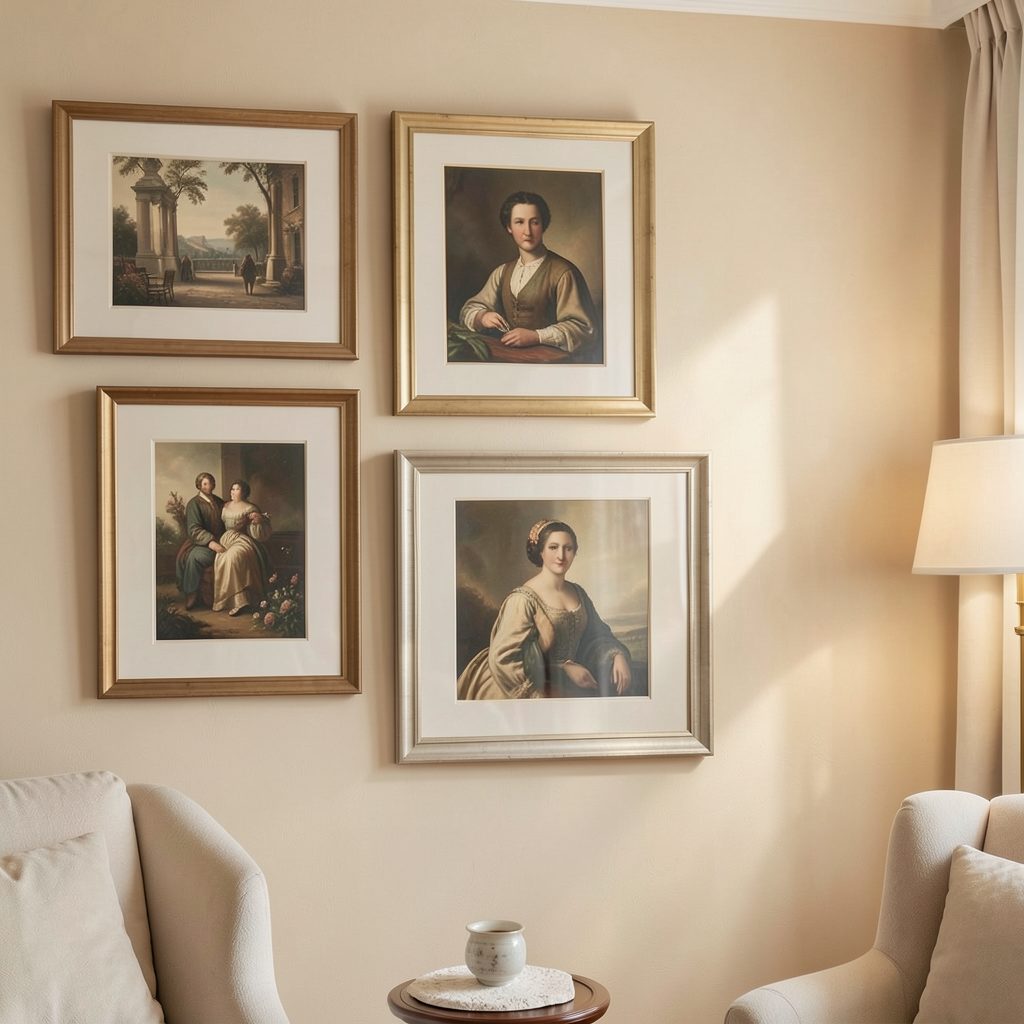
Try a salon-style ledge arrangement rather than a strict grid. Place the largest book or sheet slightly off-centre, then build around it with smaller pieces. Repeating one detail, such as black clips, pale oak supports or warm white paper, will make an informal display feel intentional.
For a bedside display, keep the arrangement compact: one open spread, one closed sketchbook and a small object are usually enough. In a bathroom, use reproductions or sturdy copies rather than original paper. Steam, splashes and fluctuating moisture can warp pages, even when the room has strong ventilation.
Add Labels and Personal Context
A small label can turn a loose collection into a meaningful visual story. Write the artist’s name, title, medium and date on a narrow card, or include a brief note about where the work was made. Handwritten labels suit an intimate home display, while typed labels create a cleaner gallery-style finish. This approach is explored in more detail through these practical gallery labels.
Keep labels visually quiet. Use one typeface, restrained spacing and a consistent card size, even if the artworks themselves are varied. For a sketchbook, a label might sit on the ledge rather than on the cover, leaving the book free to open and close.
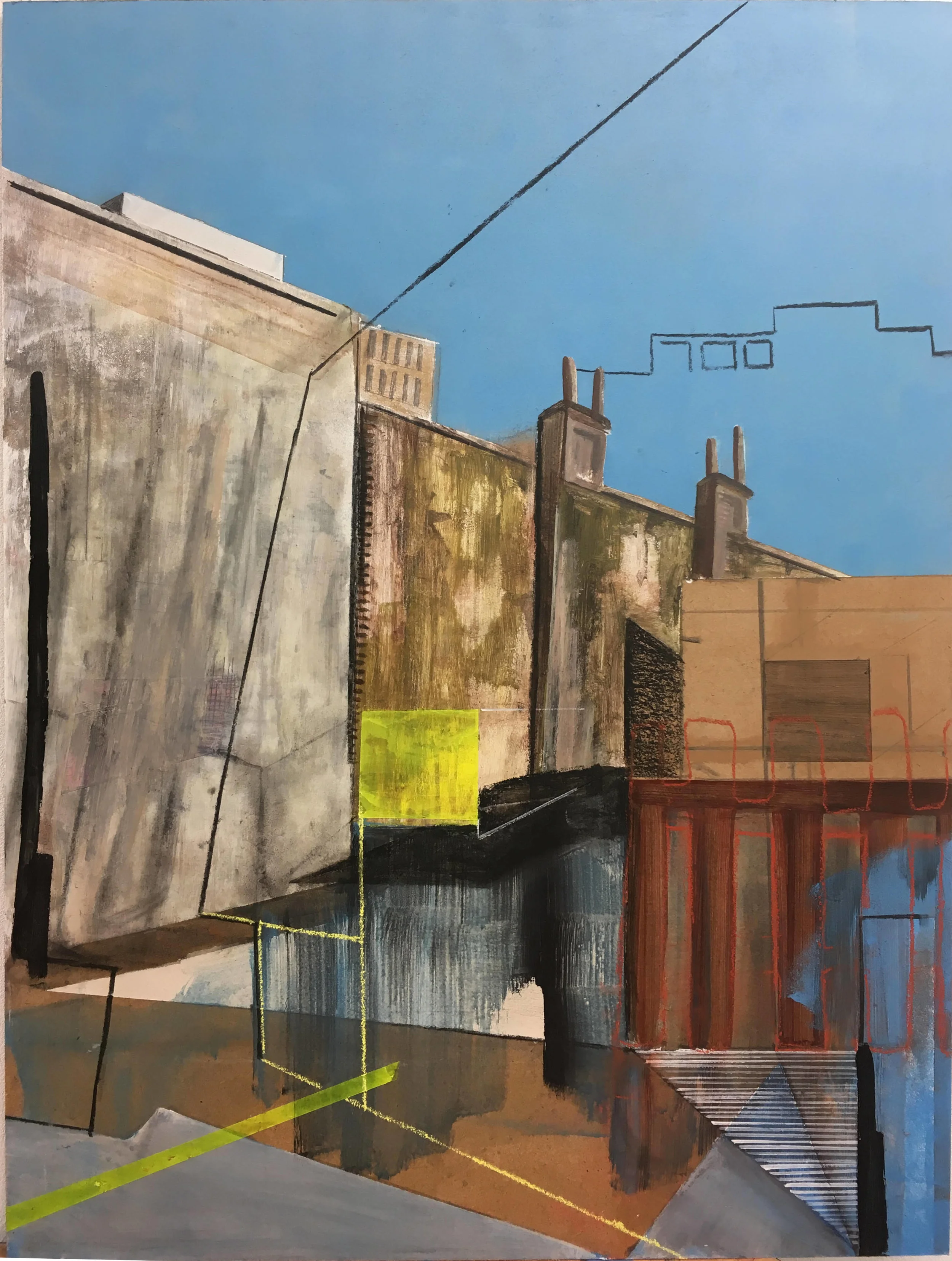
A small display can also reflect Australian surroundings without becoming themed. Pair coastal studies with pale timber, urban drawings with blackened steel, or botanical pages with a local eucalyptus branch. Avoid placing real foliage directly against paper, since moisture and natural oils can mark the surface.
Practical Choices for a Calm Display
- Use picture ledges or magnetic rails when you want to change artwork regularly.
- Support loose sheets with archival card, especially when displaying charcoal, pastel or graphite.
- Keep paper away from strong sunlight, condensation, heating vents and high-traffic corners.
- Group small works by colour, subject or material to create cohesion without matching every piece.
- Store the remaining sketchbooks upright in acid-free folders or boxes in a cool, dry cupboard.
The most successful display is one that allows the collection to evolve. Begin with a single ledge or tabletop grouping, then add pieces slowly as you learn how the paper responds to light, handling and humidity. In an Australian home, thoughtful placement will preserve the work while keeping its handmade quality visible.
Bring out a few favourite pages, give them a simple structure and let the display become part of your everyday rooms. Subscribe to Focus LDN for more ideas on artwork arrangement, stylish interiors and creating a gallery-like home with pieces that feel personal.