A single artwork can transform a small Australian entryway
The narrow corridors of Australian terrace houses, from Surry Hills to Paddington, often leave residents puzzling over a wall that does little but collect shadows. Federation bungalows in the inner west and Victorian semis in Fitzroy face the same problem: a foyer barely wider than a person, lit by whatever drifts in from the front door. A large statement piece reframes that space in a way a cluster of small frames cannot.
A single oversized artwork behaves like a window onto somewhere else, slowing the moment of arrival and giving guests a focal point before they reach the lounge. In compact Australian hallways, this approach beats any gallery wall arrangement, because clusters tend to crowd the architecture and compete with dado rails, cornices, and architraves that already demand attention. Below is a practical guide for hanging one bold piece in a small entryway, shaped for Australian homes.
Measure the wall and pick a scale that fits
Before rehanging anything, study the wall itself. In a typical Sydney terrace, the front hall rarely exceeds 180 centimetres in width and usually has a dado rail or decorative cornice cutting across the upper third. Measure the clear wall space between the doorframe, the ceiling, and any switches. Aim for the artwork to fill roughly two-thirds of that clear area, leaving breathing room around the edges.
In a Melbourne Victorian, cornices often sit higher, giving generous vertical room, but the width can be tight where the hallway opens into a stairwell. A horizontal canvas or a wide framed photograph usually works better than a tall portrait in these conditions. Photograph the wall and tape out the proposed dimensions with butcher's paper from the local newsagent. This dry run reveals awkward proportions before you spend a cent.
Light the work without bulking up the foyer
Australian homes receive generous daylight, yet entryways are usually the darkest zone, set back from windows and shaded by verandahs in Queenslanders or by deep porches in California bungalows. A slim picture light or a low-profile LED strip above the frame draws focus without adding clutter. Choose a warm 2700K bulb to flatter skin tones and timber floors. If a pendant already exists, position the artwork so both read as a single composition.
In humid Brisbane pockets or coastal homes between Coogee and Cottesloe, specify sealed LED fittings because salt air quickly tarnishes cheap metal trims. A clamp-on uplighter plugged into a nearby socket is a popular rental-friendly workaround, since it leaves walls untouched and can be moved when the lease ends. Hardware chains such as Bunnings stock both fittings and plugs rated for Australian power points.
Anchor the piece to the architecture
Homes built before 1940 often feature brickwork or lathe-and-plaster walls that demand different fixings. A single large frame can weigh over ten kilograms, and plasterboard anchors alone are rarely sufficient. Use a stud finder to locate the timber studs behind the lining, or for solid masonry, drill and plug with anchors suited to the substrate. Tenants should check with their agent before drilling into brick, particularly in heritage-listed streets around Paddington, Glebe, or The Rocks.
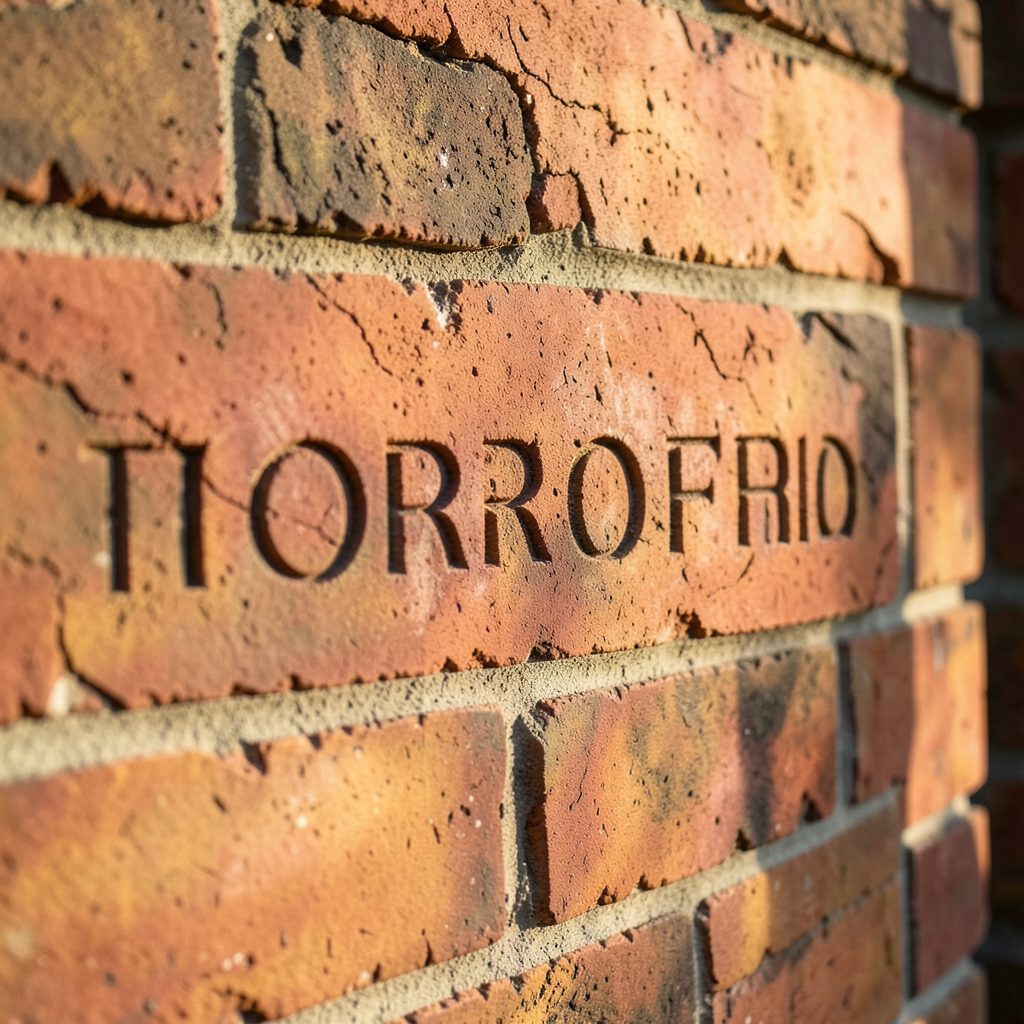
For those who cannot or prefer not to drill, brick engraving technique offers a sculptural alternative that becomes part of the wall itself. The method, often associated with commemorative work, can carve a relief motif directly into the brick beside the entryway, creating a permanent feature that needs no hanging hardware. It suits the rendered brick of a Sydney semi or the exposed brick of a converted warehouse in Fremantle or Collingwood.
Choose frames that speak to the surroundings
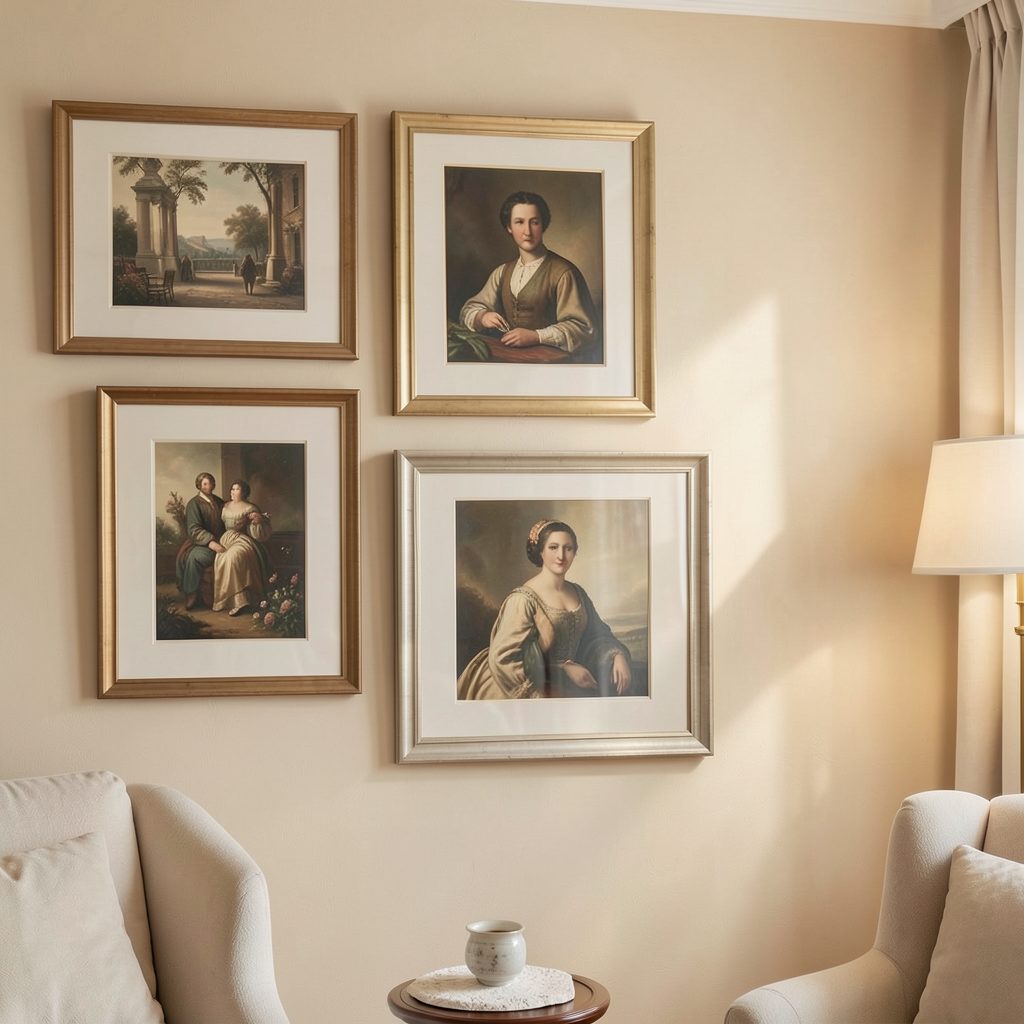
The frame carries almost as much weight as the artwork. In a Federation home with timber architraves, a deep walnut or spotted gum frame echoes the joinery and feels native to the era. A modern Brisbane apartment tends to call for a thinner profile, perhaps raw maple or a clean matte black. Overly ornate gilded frames usually suit only the highest Victorian interiors.
Use Australian framing houses for custom sizing, since stock frames rarely match the proportions needed for a hallway. Many local framers will cut to your exact measurements within a week and can recommend glass that resists UV damage from the harsh local sun. For renters, a sturdy leaning frame on a console table can be just as effective and leaves no marks.
Set the right hanging height
The centre of the artwork should sit at roughly 145 to 150 centimetres from the floor. In a low-ceilinged terrace hallway, lean slightly lower so the work feels grounded. In a Queenslander with three-metre ceilings, slightly higher works, since guests glance upward as they step inside.
Use two D-rings and a single wire for a heavy piece rather than a central hook, which spreads the load more evenly across the back of the frame. Choose picture hooks or anchors rated for at least twice the frame weight. A long spirit level borrowed from a mate, or a cheap laser level from the hardware shop, ensures the work sits perfectly horizontal, especially on older walls that lean slightly with age.
Style around the piece
Once the artwork is up, edit the rest of the entryway. A slim console table, a single ceramic vessel, and a basket for shoes is enough. The artwork should remain the loudest voice. Avoid adding more frames nearby, as this turns the space into a gallery corridor and dilutes the impact.
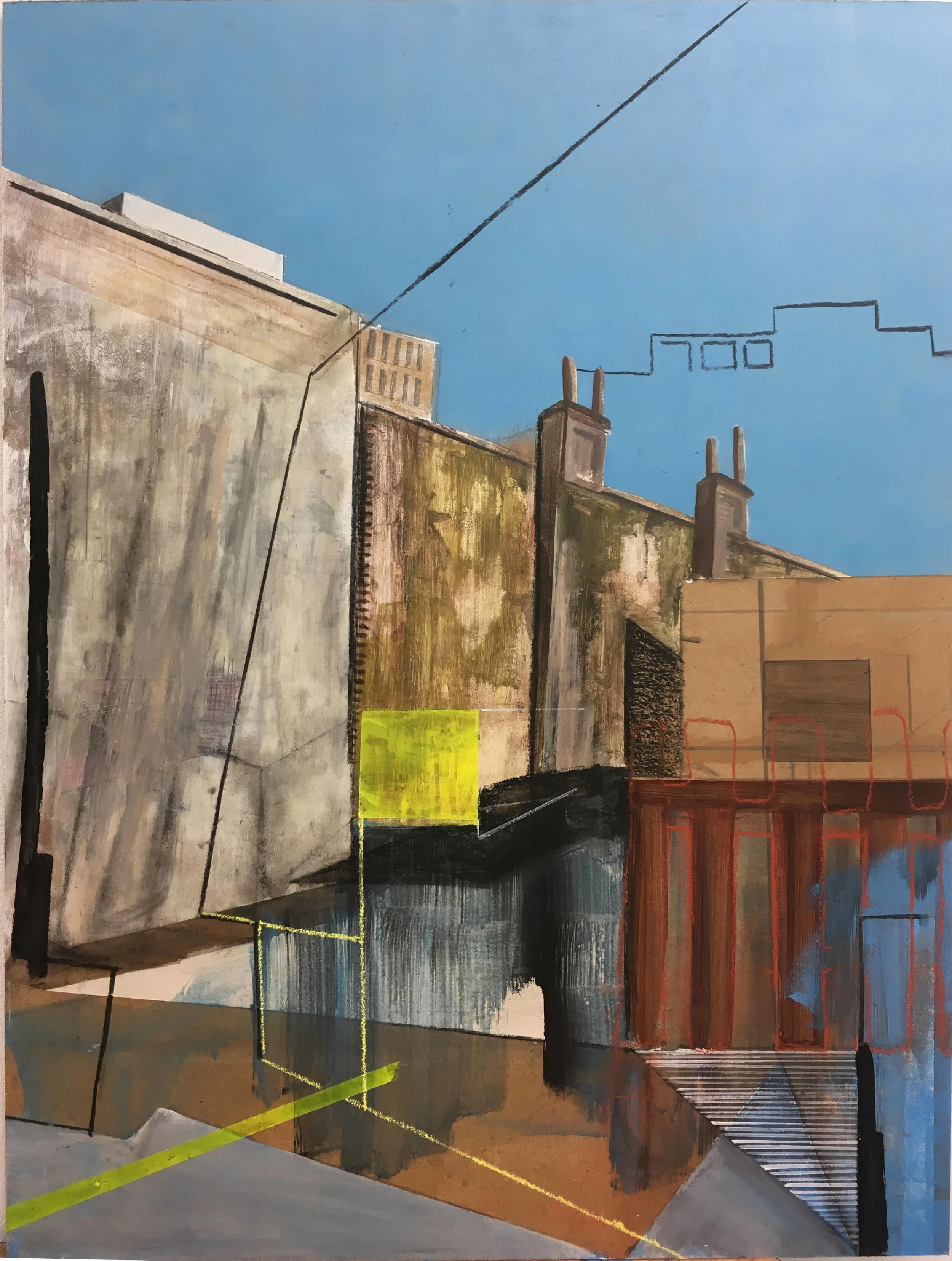
If you are still searching for the right work, look beyond the major institutions. Smaller artist-run spaces in Chippendale, Collingwood, and North Adelaide often show emerging painters whose large canvases are reasonably priced. Many accept emerging artist submissions directly through online platforms, which is a common way to find a piece no one else in your street owns yet.
Practical checklist before you drill
- Measure the clear wall area and tape out the proposed dimensions with paper first
- Photograph the wall at different times of day to study the natural light
- Match the frame profile to the era and style of your home
- Locate studs or solid masonry before choosing fixings
- Confirm any heritage or rental restrictions with your agent
- Hang the centre of the work between 145 and 150 centimetres from the floor
- Add a slim, warm picture light to focus attention after dark
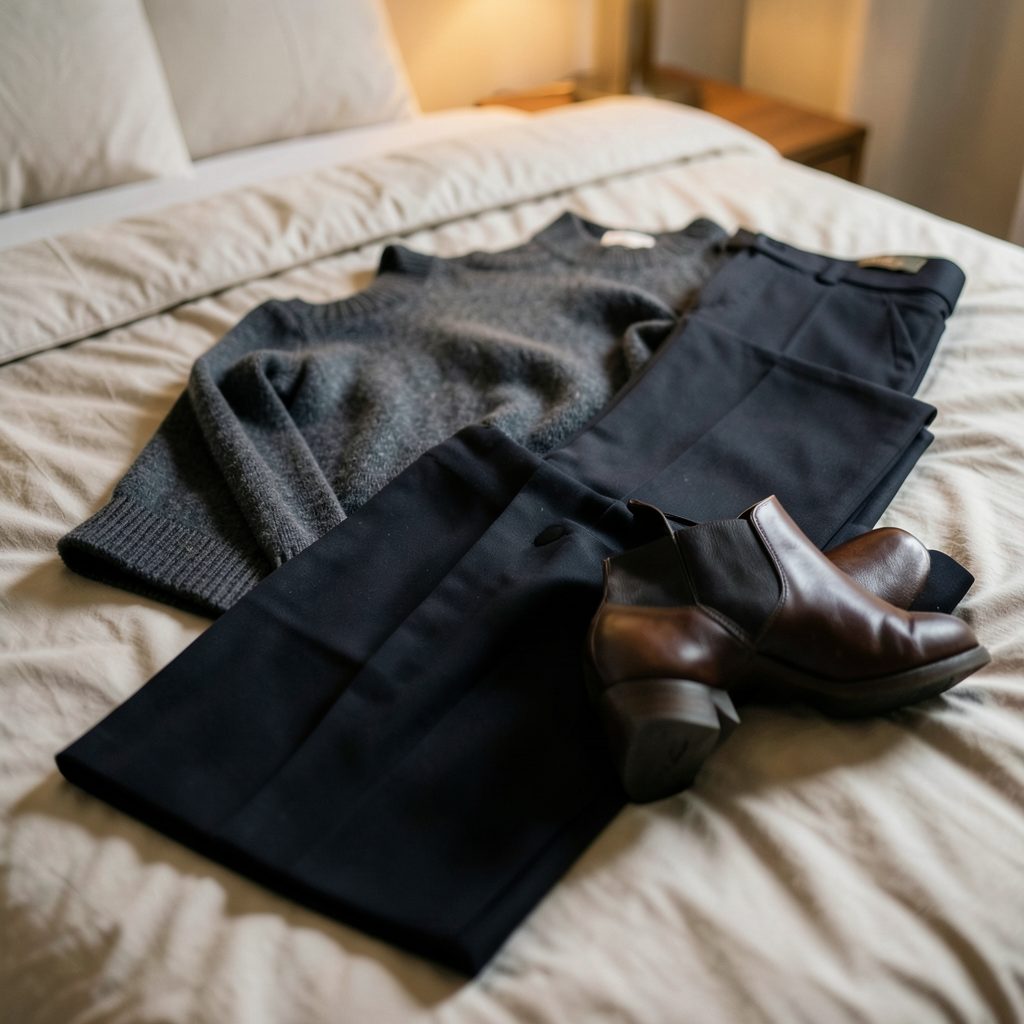
Step back from the front door before you put the drill away. The right piece will pull a tired hallway into focus and reward you every time you come home with keys in hand. For more ideas on how a thoughtful entrance shapes the rest of your home, browse the rest of the site and have a look at gallery opening outfits for inspiration on dressing your space the way you might dress yourself, with a single, confident gesture.