How to display art without frames for a casual vibe
A relaxed home does not need every print mounted behind glass. Unframed artwork can make a room feel collected, personal, and slightly spontaneous, whether you are decorating a rental apartment, refreshing a bedroom, or styling a narrow hallway. The key is to make the informality look intentional rather than unfinished.
Posters, photographs, sketches, textile pieces, and found objects all work well with a looser presentation. Instead of relying on matching frames to create order, use repetition, scale, texture, and thoughtful placement to connect the display to the rest of the room.
Why frameless art feels at home
Frames add polish and protection, but they can also make a collection feel formal. Removing them lets the paper, fabric, or board become part of the design. Slightly curled edges, visible tape, and varied proportions bring warmth to minimalist interiors that might otherwise feel too carefully arranged.
This approach is particularly effective in bedrooms, home offices, and creative living spaces. A small print leaning against a bedside wall feels quieter than a large framed piece, while a cluster of posters above a desk can change as often as your interests do.
The casual effect still benefits from visual structure. Repeat one color across several pieces, align the lower edges, or leave a consistent gap between prints. These small decisions prevent an unframed gallery wall from looking accidental.
Select artwork that can stand alone
Paper quality matters when there is no frame to disguise curling or creased corners. Choose heavier stock for posters and art prints, especially if you plan to mount them directly to a wall. Matte paper generally looks more relaxed than glossy paper and reduces reflections near windows or lamps.
Consider mixing polished and imperfect pieces. A contemporary print can sit beside a vintage postcard, a line drawing, or a page torn from an old magazine. The contrast gives the arrangement personality, while a shared palette keeps it cohesive.
If you are deciding whether to mount your own work or purchase something ready to hang, this guide to framing DIY prints can help you weigh presentation, cost, and longevity. Even when you choose a frameless display, understanding the alternatives makes it easier to select suitable paper and mounting materials.
Use simple supports and removable fixings
Washi tape is one of the easiest ways to display lightweight prints. It comes in neutral shades, muted colors, and subtle patterns, allowing the fixing to become part of the composition. Place two small strips at the upper corners for a floating look, or use four pieces when the paper needs more stability.
Binder clips, bulldog clips, and magnetic poster hangers create a different kind of casual display. A single clip at the top of a print emphasizes its temporary quality, while a wooden magnetic rail gives a cleaner finish without surrounding the artwork. These methods also make it easy to rotate pieces without damaging the wall.
For heavier work, use removable adhesive strips designed for the artwork’s weight and the wall surface. Test the fixing on an inconspicuous area first, particularly on painted plaster, wallpaper, or limewash. Avoid strong household tape, which can pull away paint or leave an oily residue.
Compare the main frameless display methods
The best method depends on the weight of the artwork, how often you want to change it, and whether you prefer the fixing to be visible. A bedroom may suit soft tape and leaning prints, while a hallway needs a more secure solution that can withstand passing traffic.
| Display method | Visual effect | Best for | Main consideration |
|---|---|---|---|
| Washi tape | Soft, playful, informal | Lightweight prints and photos | May not hold thick paper securely |
| Bulldog clips | Graphic and studio-inspired | Posters and rotating collections | Clips can leave pressure marks |
| Magnetic hanger | Clean but relaxed | Larger prints and textiles | Requires accurate wall fixing |
| Leaning artwork | Layered and effortless | Shelves, consoles, and mantels | Needs a stable surface |
| Removable strips | Almost invisible | Valuable rented-wall displays | Check weight limits carefully |
| Peg rail | Practical and decorative | Multiple changing pieces | Hardware becomes part of the look |
Use the table as a starting point rather than a strict rule. A small work can look more substantial in a bold clip, while a large poster may need a discreet magnetic hanger to prevent sagging. Combining two methods in one room often feels more natural than using a single system everywhere.
Create an arrangement with movement
A frameless gallery wall does not need a rigid grid. Start with the largest piece, then place smaller works around it, leaving enough breathing room for the edges to remain visible. A loose salon arrangement works well when the artworks vary in orientation but share a color, subject, or visual mood.
Leaning pieces against a wall can create layers without drilling. Place one print behind another on a shelf, then add a ceramic object, a small plant, or a stack of books to stop the arrangement from feeling flat. In a bedroom, a print resting on a dresser can provide interest without making the wall above the bed feel busy.
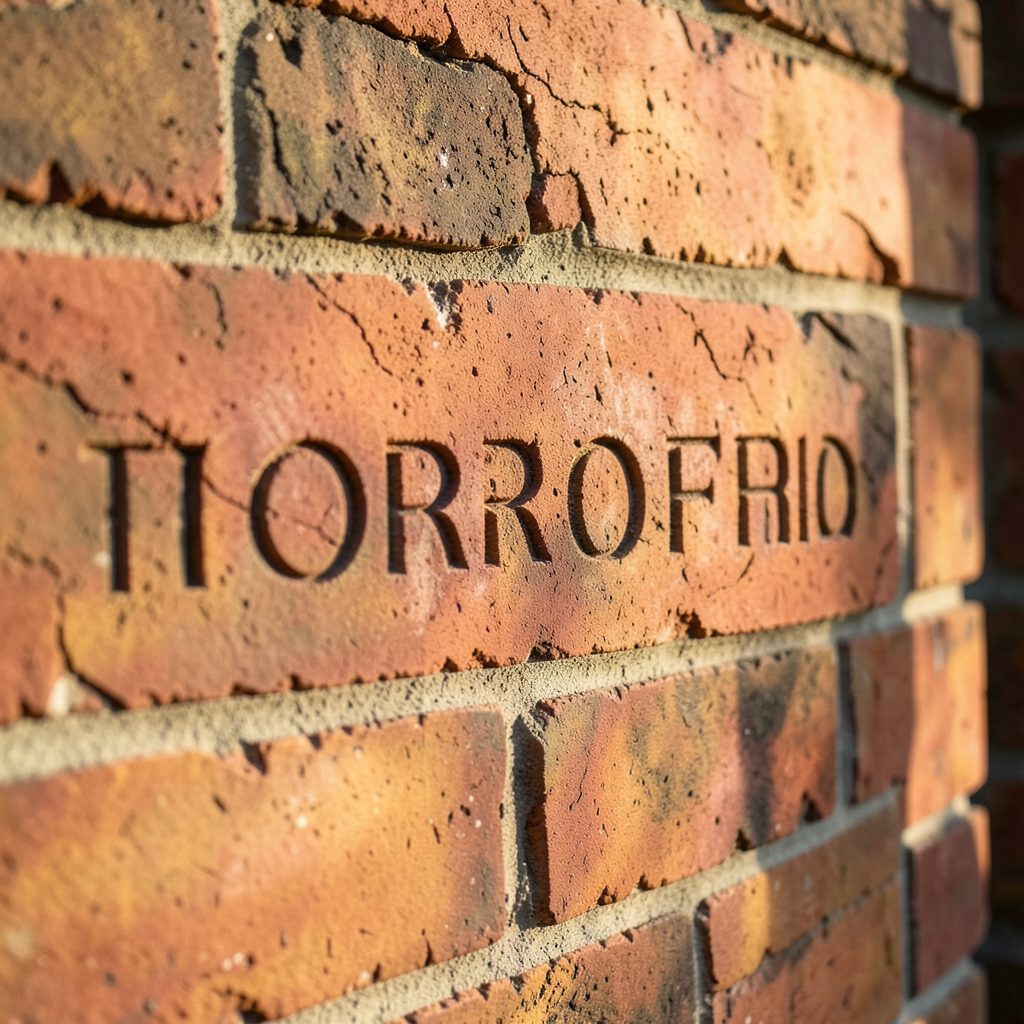
Unusual surfaces can also become artwork. A stamped tile, found sign, or small architectural fragment adds tactile character to a display. For example, a brick engraving can introduce a raw, textural element beside softer paper prints, creating contrast in an otherwise neutral arrangement.
Keep the display fresh and protected
Unframed work is more exposed to dust, sunlight, moisture, and everyday handling. Keep valuable paper away from direct sun, radiators, and damp areas such as steamy bathrooms. If you want artwork in a bathroom, choose sealed board, waterproof paper, or inexpensive pieces that can be replaced easily.
Dust prints gently with a soft, dry brush rather than wiping them with a damp cloth. When storing artwork, keep it flat between clean sheets of paper or in a portfolio. Avoid stacking heavy objects on top, since pressure can leave permanent marks.
A casual display should be easy to edit. Change seasonal colors, rotate photographs, or replace a print when the room begins to feel static. These small shifts preserve the relaxed spirit while keeping the overall arrangement considered.
Small choices that make the look intentional
- Repeat one accent color across several prints, pieces of tape, or nearby accessories.
- Keep the artwork’s center close to eye level in areas where people stand.
- Leave generous space around a single small piece so it feels deliberate.
- Mix smooth paper with tactile materials such as linen, cork, wood, or ceramic.
- Use removable fixings in rentals and test every adhesive before committing to a full display.
The most successful frameless arrangements balance ease with care. Let the edges show, vary the scale, and allow a little imperfection, but give each piece enough space to be seen. When the artwork relates to the room’s textures and colors, the result feels lived-in rather than unfinished.
Build your collection gradually, experiment with clips, tape, shelves, and leaning displays, and keep the pieces that make the room feel more like yours. Subscribe to Focus LDN for practical ideas on gallery walls, apartment decorating, and stylish ways to live with art.