How to create a gallery wall that tells a story
A gallery wall can do more than fill an empty stretch of plaster. It can record a journey, preserve family memories, celebrate changing tastes, or give a room the atmosphere of a small private exhibition. The most compelling arrangements feel collected rather than simply decorated.
The secret is to begin with meaning before choosing measurements. When every photograph, print, object, and frame has a reason to be present, the display gains a natural rhythm. It becomes a visual narrative that guests can read slowly, discovering details as they move through the room.
A strong arrangement also works as part of the wider interior. Consider the wall’s relationship to furniture, light, paint colour, and daily routines. The goal is to create a display that feels personal while still looking deliberate and balanced.
Choose the story before the artwork
Start by deciding what the wall should communicate. A travel-led display might combine maps, ticket stubs, architectural sketches, and photographs from different destinations. A family arrangement could move from older portraits to recent snapshots, while a collection focused on nature might bring together botanical drawings, pressed leaves, and landscape photography.
The story does not need to be literal. You might simply want a mood built around quiet mornings, coastal colours, or a love of modern design. Write down three to five words that describe the feeling you want. These words will help you reject attractive pieces that do not support the overall narrative.
Look for a mixture of emotional and visual value. One image may be important because of the memory attached to it, while another contributes a strong colour or shape. A gallery wall feels richer when personal keepsakes sit beside artwork chosen for its composition.
Build a visual timeline
A narrative wall benefits from movement. Arrange pieces so the eye travels across the display rather than stopping at one dominant image. This may mean placing smaller works around a central piece, creating a gentle left-to-right progression, or grouping images by colour and then interrupting them with a contrasting object.
Before hanging anything, lay the collection on the floor. Begin with the largest artwork, then position medium pieces around it and fill gaps with smaller works. Photograph the arrangement from above so you can assess the balance without becoming distracted by individual details.
A chronological display can be effective, but it is not the only option. Use scale, texture, and colour as storytelling tools. A faded photograph beside a contemporary print can suggest continuity between generations, while a sequence of changing tones can create a sense of movement through seasons or places.
| Story approach | Useful artwork | Arrangement idea | Visual effect |
|---|---|---|---|
| Travel memories | Maps, photographs, postcards, sketches | Group by destination or journey | Personal and exploratory |
| Family history | Portraits, letters, heirloom objects | Move from older to newer pieces | Warm and reflective |
| Creative collection | Prints, paintings, textiles, ceramics | Balance varied shapes and textures | Curated and expressive |
| Natural theme | Botanical art, landscapes, found objects | Use earthy colours with open spacing | Calm and organic |
Select frames that connect the collection
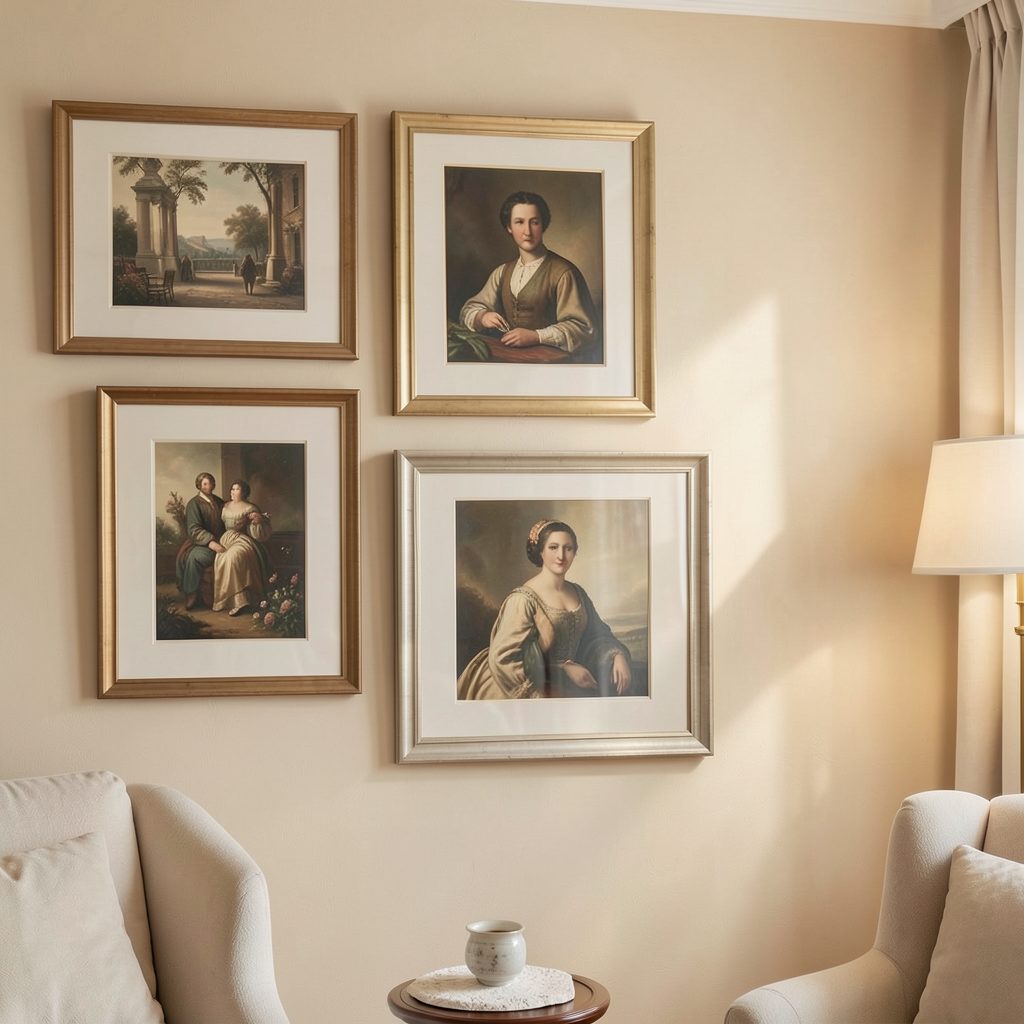
Frames should create unity without making every piece look identical. A consistent material, such as pale oak or aged brass, can bring together artwork in different sizes. Alternatively, use one dominant finish and introduce one or two contrasting frames as accents.
Think about the room’s existing details. Black frames suit crisp contemporary interiors, while timber can soften a minimalist bedroom. Ornate vintage frames add history to simple prints, especially when their patina echoes other objects nearby. For a gallery-like result, avoid choosing frames in isolation from the wall colour and surrounding furniture.
Mat boards are useful when the artwork needs breathing space. A wide white mount can make a small photograph feel important, while a coloured mount can link an image to a nearby textile or painted wall. If the display includes three-dimensional pieces, shadow boxes or shallow shelves may be more suitable than conventional frames.
Arrange the wall with breathing room
Spacing determines whether a collection feels calm or crowded. For most arrangements, leave around five to eight centimetres between frames, adjusting the gap when the artwork sizes change dramatically. Smaller spaces create a more intimate salon effect; wider gaps give the display a cleaner, modern quality.
Use the furniture beneath the wall as an anchor. A gallery arrangement above a console, sofa, or bed should generally sit close enough to feel connected without appearing to rest on the furniture. Mark the outer edges with low-tack tape, then map the central line and the position of each frame.
Look at the wall from several points in the room. A display that works straight on may feel uneven from a doorway or across the seating area. Check for glare near windows and lamps, and avoid placing delicate prints where direct sunlight will fade them. The practical details matter because the story should remain enjoyable over time.
When your collection includes text, inscriptions, or architectural details, treat them as visual pauses. A small brick engraving can add material history to a group of photographs or drawings, giving the wall a tactile connection to place and craftsmanship.
Add objects with personal meaning
The most memorable displays often include something beyond framed paper. A ceramic tile, woven fragment, miniature mirror, or small sculptural object can change the tempo of the arrangement. These pieces create shadows and texture, helping the wall feel layered rather than flat.
Choose objects that strengthen the narrative rather than filling empty spaces randomly. A shell from a meaningful trip, a handwritten recipe, or a child’s drawing may carry more emotional weight than an expensive decorative accent. Protect fragile items with secure fixings and keep heavier pieces low in the composition.
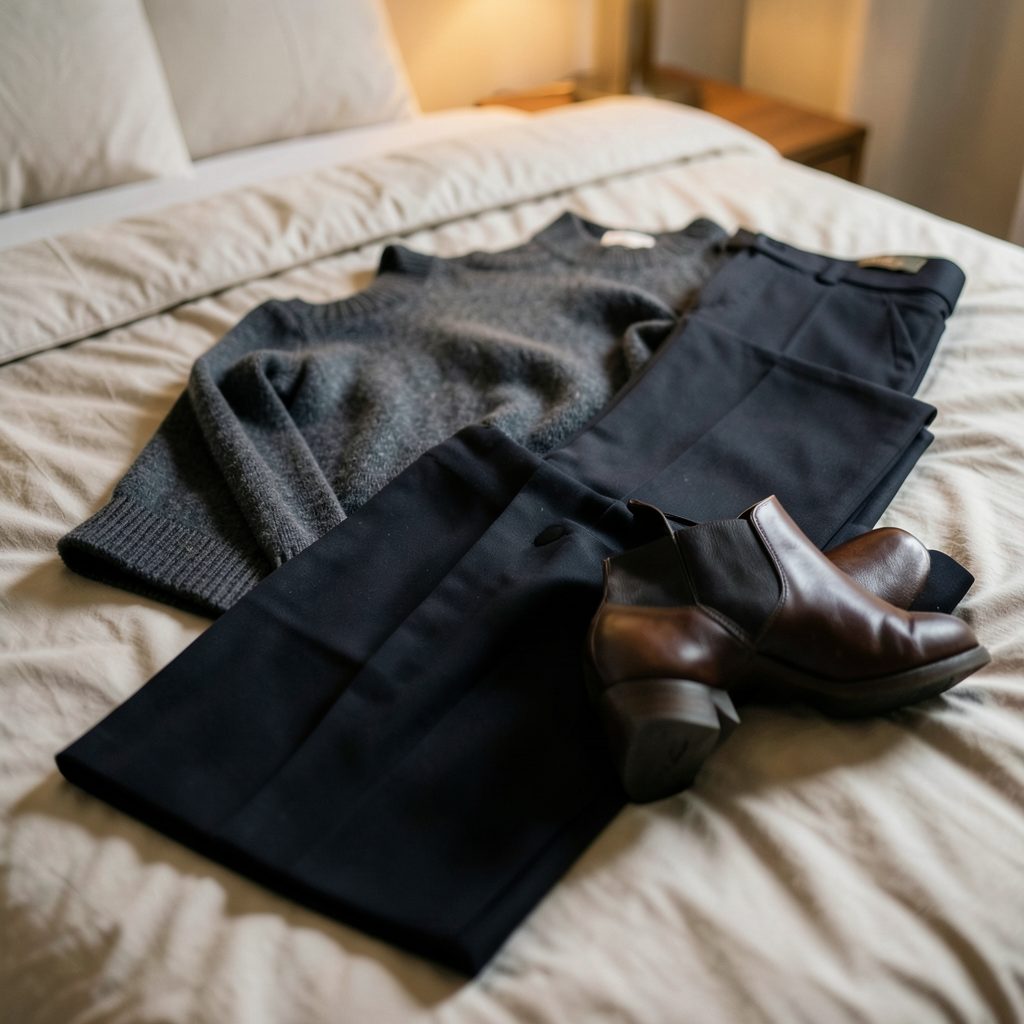
For inspiration, notice how professional exhibitions use contrast and restraint. Looking at gallery opening attire can even suggest a palette for the wall: tailored neutrals, rich jewel tones, or unexpected pairings of texture and colour. Your home display can borrow that sense of curation while remaining relaxed and personal.
Make the display evolve naturally
A story changes as new memories arrive, so leave room for the arrangement to grow. Rather than filling every inch, reserve one or two spaces for future discoveries. This prevents the wall from becoming visually tiring and allows it to reflect the life of the household.
Revisit the collection every few months. Rotate seasonal artwork, replace images that no longer feel relevant, or move a treasured piece into a more prominent position. Small edits can refresh the entire composition without requiring a complete redesign.
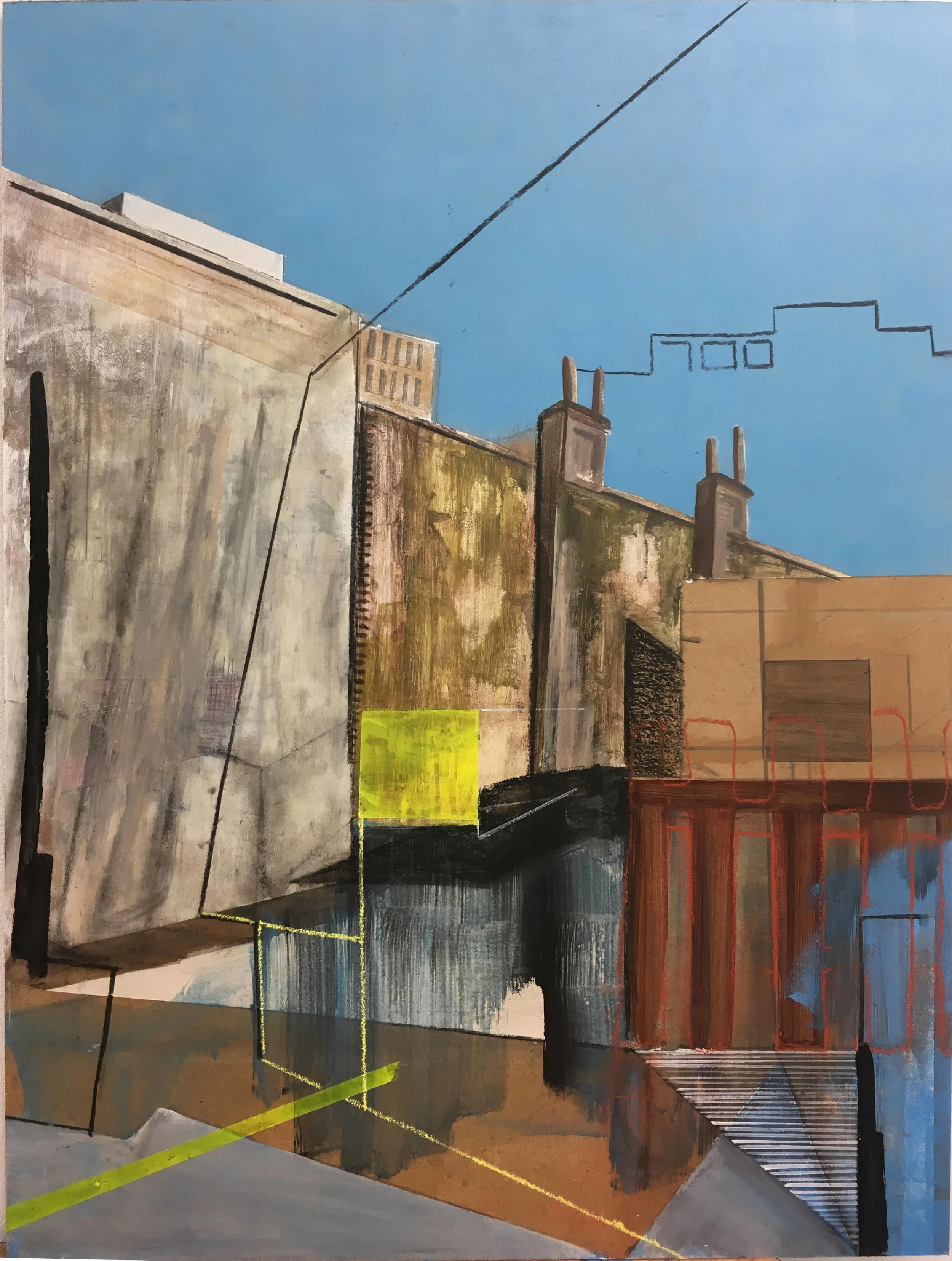
Consider how the wall relates to the rest of the home. A hallway display might act as a transition between rooms, while a bedroom arrangement can focus on quieter, more intimate memories. Studying examples of art at home can help you see how personal collections become part of a wider interior rather than isolated decoration.
Practical checks before hanging
- Use paper templates to test the arrangement at full scale.
- Keep the visual centre close to eye level in the main viewing area.
- Secure heavy frames with appropriate wall fixings.
- Photograph the layout before removing the templates.
- Leave a little empty space so the collection can develop.
A gallery wall tells its story most clearly when the arrangement feels instinctive, yet every detail has been considered. Gather pieces with genuine significance, connect them through colour or material, and allow the composition enough space to breathe. Start with one meaningful artwork today, build around it slowly, and create a display that becomes more interesting each time you look at it.