A low-library gallery wall above built-in shelving
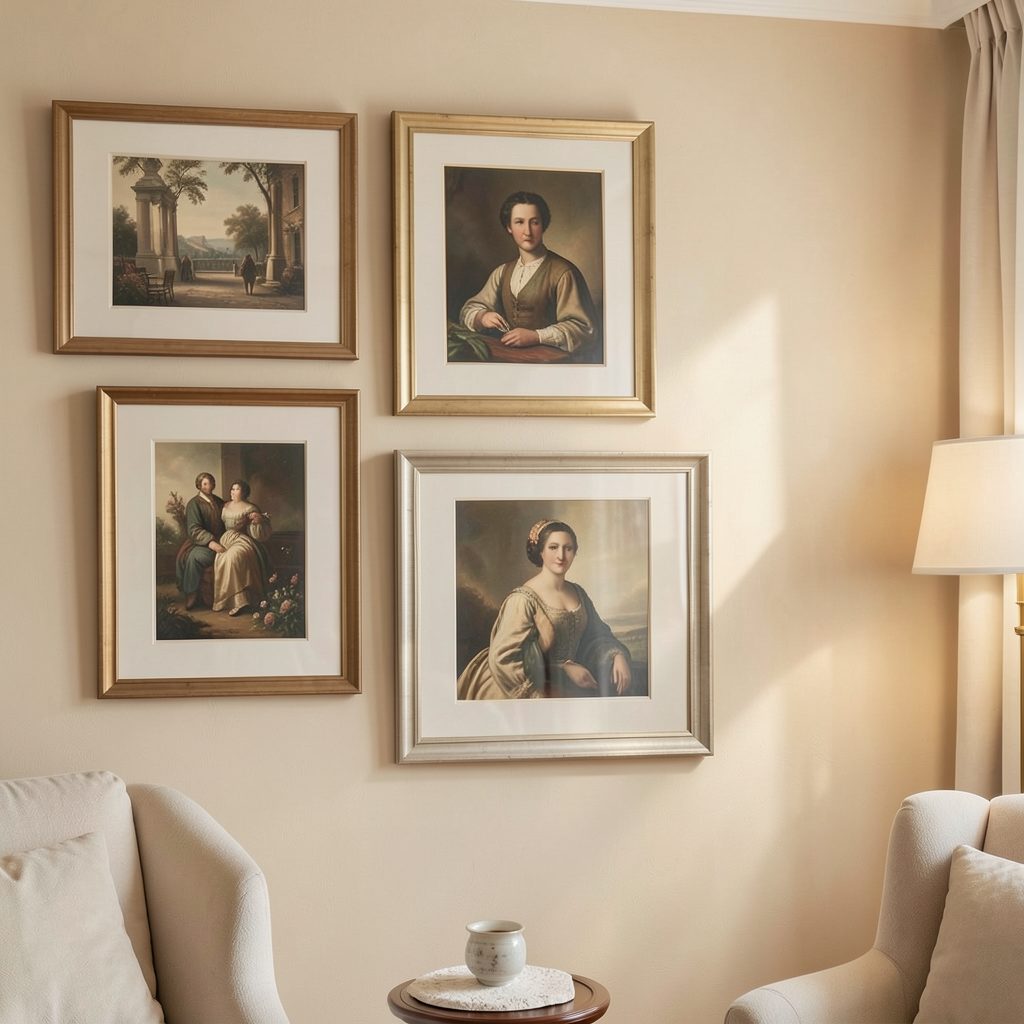
A low-library gallery wall above built-in shelving can turn a blank strip of wall into a calm focal point. The shelving still handles books, ceramics and everyday objects, while the artwork adds height, colour and rhythm. Design the shelf and wall as one composition rather than filling every centimetre with frames.
Start with the room you actually have, not an image from a styled catalogue. Measure the shelf, the wall above it and any ledge, then note power outlets, window light, vents and doors. The method suits a compact Sydney apartment, a Melbourne townhouse or a Brisbane rental, creating a generous display without making the built-ins harder to use.
Read the room before you hang
The first decision is visual weight. A wide run of built-ins usually suits one larger central piece, with smaller works stepping away, rather than a long row of equal-sized frames. If the shelves are strongly coloured, let that colour influence the palette; if they are warm timber, choose earthy neutrals or a deliberate contrast. The wall should connect to the furniture below.
Check practical limits before choosing pieces. Leave access to power points, keep doors and drawers free to open, and stop frames from crowding objects that could be knocked over. In a compact Australian apartment, where a living room may also be a study and entertaining space, breathing room matters more than copying a magazine layout. A modest arrangement survives daily use better.
Build your own layout checklist
Use the shelf as the anchor. Tape a horizontal line for the bottom edge of the lowest artwork, then place paper templates or masking tape before making holes. Centre the group over the open shelving span unless the built-ins are visibly asymmetrical.
Before lifting a hammer, use this setup checklist:
- Measure the usable wall width, shelf height and frame depths.
- Mark the centre and a temporary horizontal guide with painter’s tape.
- Check doors, drawers, power outlets and nearby windows.
- Photograph the taped layout from normal standing height.
Simple layouts often feel strongest. A large piece with two smaller works creates an easy rhythm, while three similarly sized frames look crisp when their tops or centres align. For the principle behind a pared-back grouping, the art of 3 offers a useful visual reference. Adapt the proportions to your shelving instead of copying a fixed arrangement.
For the artwork, use a simple selection checklist:
- Choose one dominant piece to establish the scale.
- Repeat a colour, subject or frame finish to connect the group.
- Mix frame sizes while keeping the palette restrained.
- Leave open wall between the group and the shelf.
Spacing is the final adjustment. Aim for consistent gaps, around 5–8 centimetres between frames, and place the lowest frame roughly 15–25 centimetres above the shelf so the two zones do not merge. Deep shelves may need a larger gap. Check the layout from the doorway, where most people first see it.
Select frames and artwork with intention
Frames should support the art, not compete with it. Slim black or natural timber frames suit many minimalist gallery walls; pale frames soften a mixed collection. White or off-white mats add breathing room, while deeper mounts create a more formal rhythm. Keep frame widths and mat proportions related even when artwork sizes differ.
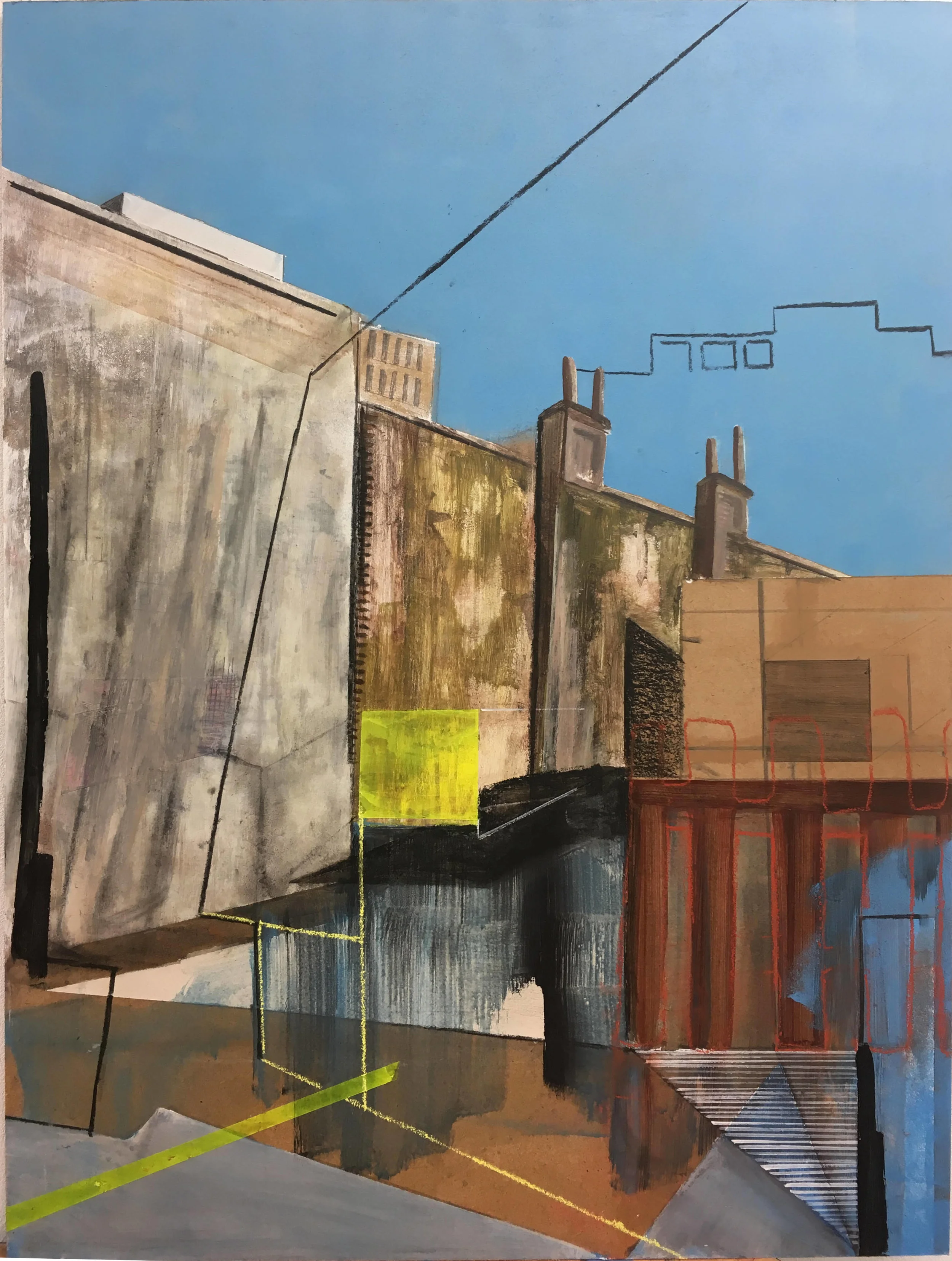
For work above shelving, consider glare and preservation as well as style. Keep the group out of harsh afternoon sun, especially where a window reflects in the glass, and choose UV-filter glazing or acrylic suited to the light. For inspiration beyond framed prints, browse gallery art for pieces whose colour or subject carries across the arrangement. Originals, affordable prints and locally made work can all suit the wall when scale and palette are considered.
Keep the display practical in Australian homes
Australian apartments often treat built-in shelving as working storage rather than a display cabinet. In Sydney and Melbourne, open-plan rooms may serve as living, study and entertaining areas, so keep the lowest frames high enough for books, lamps and baskets to remain visible. In Brisbane, Perth or coastal areas, protect paper from humidity and direct sun; in Melbourne, watch for intense reflected heat from paving or brick.
The local market offers plenty of sourcing options. Compare Mitchell Lane, The Frames Gallery, independent framers and online Australian print studios, and visit a weekend market or local gallery to judge texture and scale. Ask about paper, glazing, construction and the time needed for custom work. Under the Australian Consumer Law, goods bought from an Australian trader must be of acceptable quality, so keep the invoice and follow any written warranty if a frame or print arrives damaged.
Installation should respect the building as well as the artwork. Use masonry-appropriate anchors for brick or concrete, suitable plugs for plasterboard, and secure larger pieces carefully. Renters should check with the landlord or body corporate before drilling; rated removable strips may suit lighter prints. Do not cover ventilation, smoke alarms or security devices, and route media-unit cables discreetly.
Bring the display to life
Treat shelf objects as the artwork’s supporting cast. Repeat one or two frame colours in ceramics, textiles or book spines, then leave bare surface so the shelves breathe. Larger objects at the outer ends can balance smaller works, while a lamp or plant on one side creates a comfortable counterweight. Keep styling low enough that the artwork remains the first thing you notice.
Add lighting after the arrangement feels right. A slim picture light or nearby floor lamp can improve evening visibility, but avoid reflections and harsh hotspots. Dust frames gently, check fixings seasonally and adjust shelf objects as the room’s use changes. This makes the display a flexible part of an Australian home rather than a once-off project.
Bring your own low-library gallery wall to life with Focus LDN. Subscribe for practical framing ideas, fresh artwork displays and thoughtful home inspiration for your next room refresh.