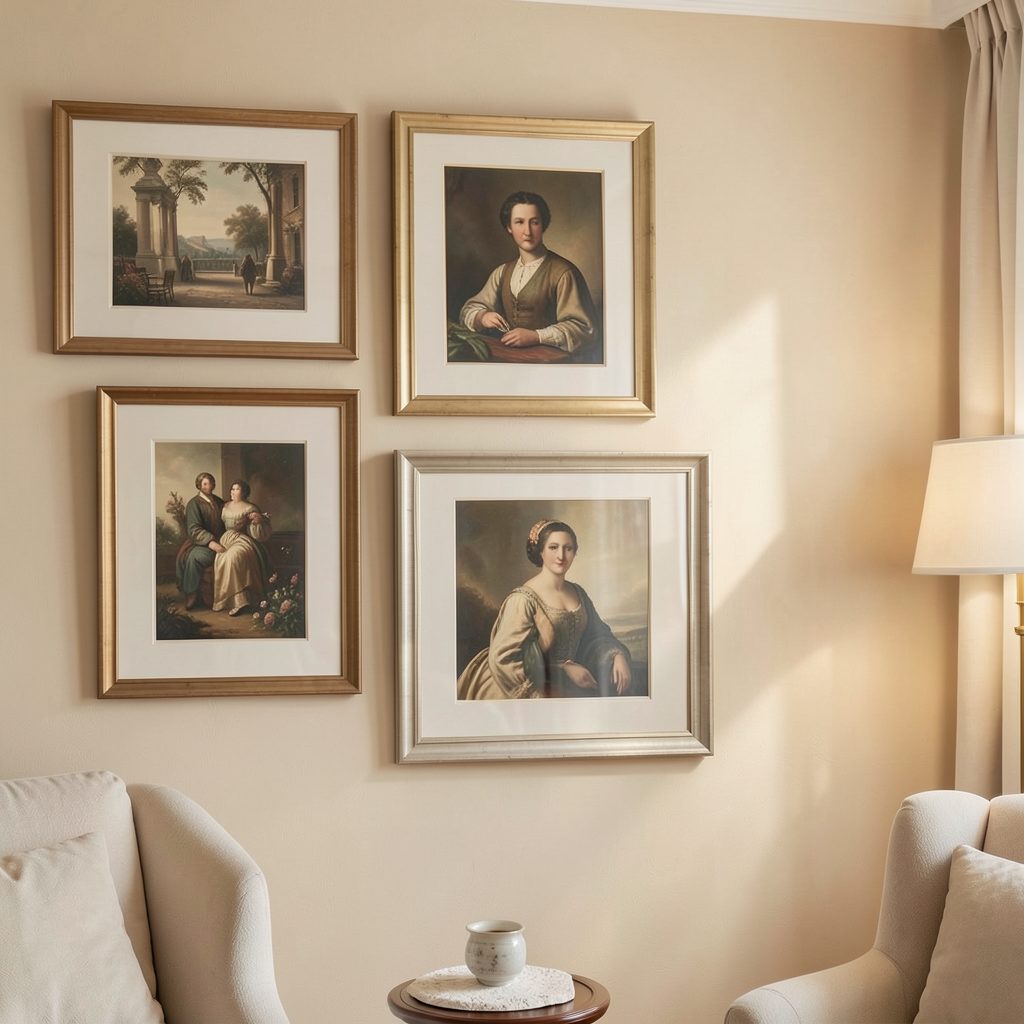
How to create a grid gallery wall with four identical frames
Four matching frames can give a room the calm, architectural feel of a small private gallery. The repeated shape creates order, while the artwork inside each frame brings colour, personality and movement. This arrangement works especially well above a sofa, console, bedhead or dining bench.
A four-frame grid is also approachable for renters and first-time decorators. It uses a small number of pieces, needs less styling than an eclectic gallery wall, and can be planned on the floor before a single hook goes into the wall.
The key is accuracy. Equal gaps, a level top edge and consistent frame placement will make the display look intentional. Slight variations in the artwork are welcome, but the outer structure should remain disciplined.
Australian homes often have bright, directional sunlight, plasterboard walls and open-plan living areas, so the best design combines visual balance with practical choices about hanging hardware, fading and scale.
Choose the right wall and artwork
Begin by identifying the visual centre of the room. Above furniture, the lower edge of the arrangement usually sits around 15–25 centimetres above the sofa back or console. If the wall is empty, place the centre of the four-frame group roughly at eye level, allowing the furniture below to anchor it.
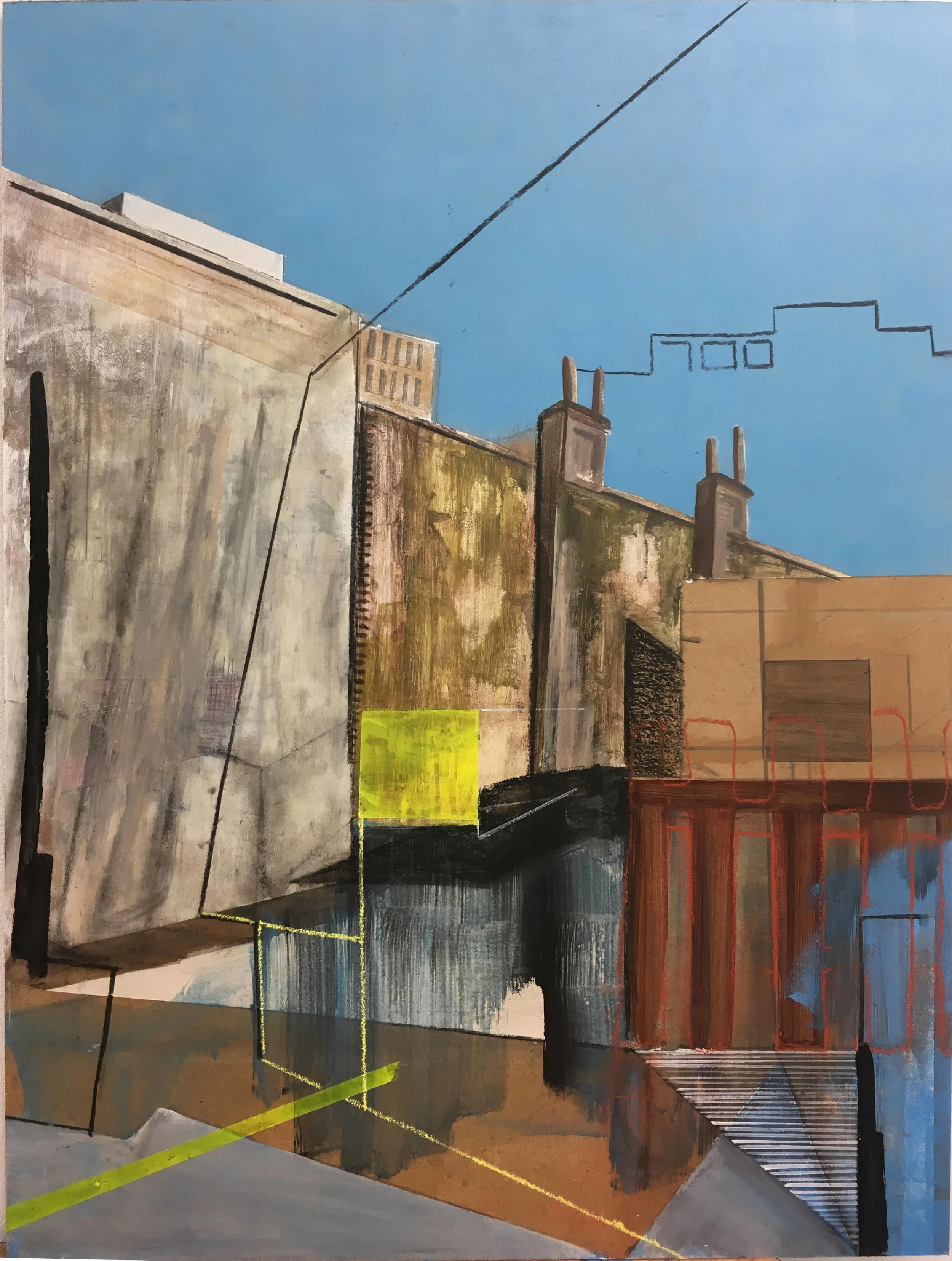
The artwork can follow one theme without looking overly matched. Try four black-and-white photographs, botanical studies, abstract prints in related colours or a sequence of local landscapes. Australian subjects such as coastal formations, gum leaves or suburban architecture can connect the arrangement to its setting. For further inspiration, browse this selection of gallery art before choosing a visual direction.
Use identical outer frames, but do not feel obliged to use identical prints. Four different images create a curated effect, while four versions of the same image feel more formal. Keep the visual weight similar across all pieces so one frame does not appear much heavier than the others.
Set the proportions before buying
Measure the wall and the furniture beneath it before shopping. A grid that is too narrow can look lost above a generous Australian modular sofa, while one that is too wide may compete with nearby windows, shelving or pendant lights. As a general guide, the full arrangement should span about two-thirds to three-quarters of the furniture width.
Frame size depends on the artwork and the room. Four 40-by-50-centimetre frames create a substantial display, while four A3 frames suit a narrower hallway or bedroom wall. Remember to measure the external frame dimensions rather than relying on the paper size printed on the packaging.
Allow a gap of about 5–8 centimetres between frames. Smaller spacing produces a strong, almost architectural block; wider gaps make the individual pictures more prominent. In a compact Melbourne terrace or Sydney apartment, a tighter grid often feels cleaner and saves valuable wall width.
Plan a precise layout
Cut four paper rectangles to match the outside dimensions of the frames. Mark the centre of the wall or the centreline of the furniture, then tape the paper pieces in a square or horizontal rectangle. This lets you adjust the height and spacing without repairing unnecessary holes.
Use a spirit level across the top edges and check the gaps from several steps back. Measure from the outer edge of one paper template to the next, rather than estimating by eye. A laser level can speed up the process, though a standard level, pencil and measuring tape are perfectly adequate.
For a classic four-piece grid, align the frames in two rows and two columns. Keep each vertical and horizontal gap identical. If the artwork has a clear orientation, lay everything on the floor first and photograph the arrangement so the intended order is easy to follow during installation.
Select hardware for Australian walls
Check whether the wall is plasterboard, brick, concrete or timber before choosing hanging hardware. Many Australian homes use plasterboard, while older cottages and apartments may have masonry walls. Lightweight frames can often use suitable picture hooks, but heavier glass-fronted frames may need wall anchors or fixings secured into a stud.
A pair of D-rings or a sturdy hanging rail on each frame can improve stability. If the frame has a single sawtooth hanger, it may tilt when the door closes or the wall vibrates. Small transparent bumpers on the lower corners can help keep each frame straight and protect painted walls.
Test the hanging point on one frame first. In rental properties, removable solutions may be useful, but always check the product’s weight rating and the tenancy rules before relying on them. A neat grid is worth planning carefully, particularly when the wall is difficult to patch or has a textured finish.
Refine the display with light and detail
Glass affects how a grid gallery wall looks throughout the day. In rooms with strong western sun, standard glass can create glare and accelerate fading, especially for watercolours and inexpensive digital prints. UV-protective glazing or museum-style acrylic is a worthwhile option for valuable work.
Leave enough breathing room around the group. Avoid placing the outer frames too close to corners, architraves, power points or a ceiling fan. If the arrangement sits above a sideboard, keep lamps and decorative objects low enough that they do not interrupt the clean rectangular silhouette.
A small caption, artist card or title can add a considered gallery feeling when used sparingly. You can explore ideas for gallery labels if the works need names, dates or artist information. Keep labels aligned and restrained so the four-frame structure remains the main feature.
Choose artwork that responds to the room’s existing tones rather than matching every cushion. Warm timber, terracotta and olive can soften a black frame, while pale blue, chalky white and charcoal suit a coastal or minimalist scheme. In humid Queensland bathrooms or breezy coastal homes, protect paper with suitable glazing and keep framed work away from direct moisture.
A grid gallery wall is easiest to live with when the plan is simple, measured and personal. Start with the frame size, map the arrangement on paper, install with reliable hardware and make small adjustments before adding extra decoration around it. If you create original work or curate a series for display, you can submit your art for consideration and continue building a collection with a clear point of view.
Save the measurements, frame dimensions and artwork order once the wall is complete. That record makes future reprints, replacements and rearrangements far easier, whether you are refreshing a rental in Brisbane or styling a long-term home in Adelaide.