How to Create a Gallery Wall Around a Television Without Clutter
Australians have embraced open-plan living in a big way, particularly in inner-city apartments across Sydney, Melbourne and Brisbane where the living room often doubles as the main entertainment zone. With televisions growing larger and décor trends leaning toward curated, gallery-inspired interiors, many homeowners find themselves asking how to display art around a screen without creating visual chaos. The trick is to treat the television as one element within a wider composition rather than the unavoidable centrepiece.
A well-planned arrangement can transform a cluttered media wall into a stylish focal point that feels intentional and personal. Whether you live in a coastal Perth apartment or a heritage terrace in Adelaide, the principles stay the same: balance, proportion and a consistent visual language across frames, artwork and spacing. The result is a wall that feels collected rather than crowded.
Planning the layout before you hang anything
Measure your wall space carefully, including the dimensions of the television once mounted or placed on a console. Australian homes often feature standard stud spacings of 600mm, which makes planning easier when you need to anchor heavier frames or floating shelves. Sketch your arrangement on paper or use a free online layout tool before drilling a single hole.
Decide whether the television should sit centrally within the gallery or off to one side as part of an asymmetric composition. Central arrangements work well in symmetrical Victorian-era homes in Melbourne, while offset layouts suit the looser, modern floor plans common in newer Sydney apartments. Whatever you choose, leave at least 8 to 10 centimetres between the edge of the screen and the nearest frame to avoid visual crowding.
Choosing frames that match your screen
The television is essentially a large black rectangle, so frame selection matters more than you might think. Slim black or matte timber frames echo the bezel of most modern TVs and help them blend into the wall. Wide ornate frames can clash with a flat screen, particularly in compact spaces where the eye reads every detail up close.
Frame styles that work with screens
- Slim matte black aluminium
- Natural oak or walnut veneer
- Thin whitewashed timber for Scandi-style rooms
- Floating frames with no visible border for a minimalist look
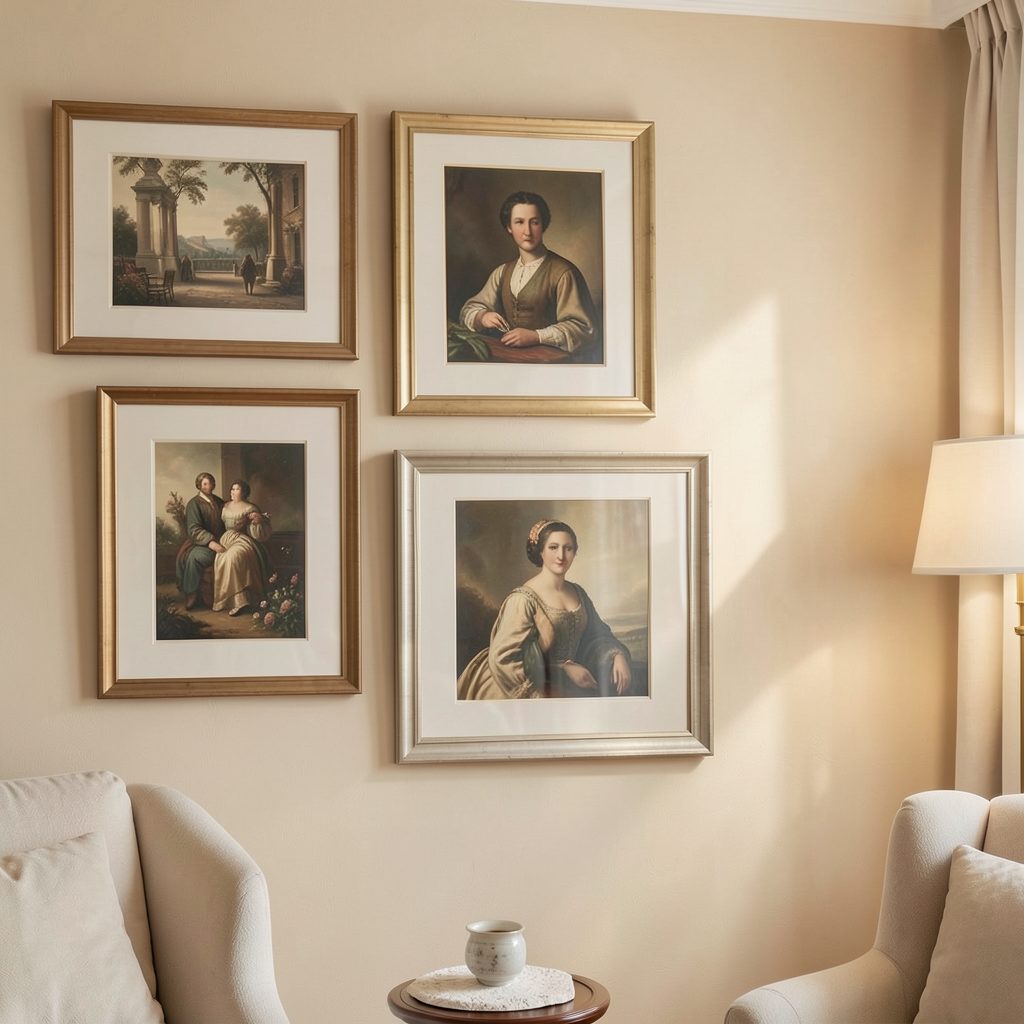
Stick to one frame family across the wall to keep the television from feeling like an outsider. You can still vary the sizes and matting to add interest.
Building the composition around the TV
Treat the screen as a single large artwork and arrange smaller pieces around it in a grid, salon style or organic cluster. Grid layouts feel calm and ordered, making them ideal for minimalist apartments in Brisbane's New Farm or Sydney's Surry Hills. Salon-style arrangements suit homes with warmer, eclectic interiors and a willingness to mix frame sizes.
Composition tips for a balanced wall
- Keep at least 60% of the wall covered by frames or artwork
- Use the rule of thirds to position accent pieces
- Anchor the bottom row at a consistent height, usually 145cm from the floor
- Repeat a colour from the screen's wallpaper or screensaver in nearby art
Selecting artwork that complements the display
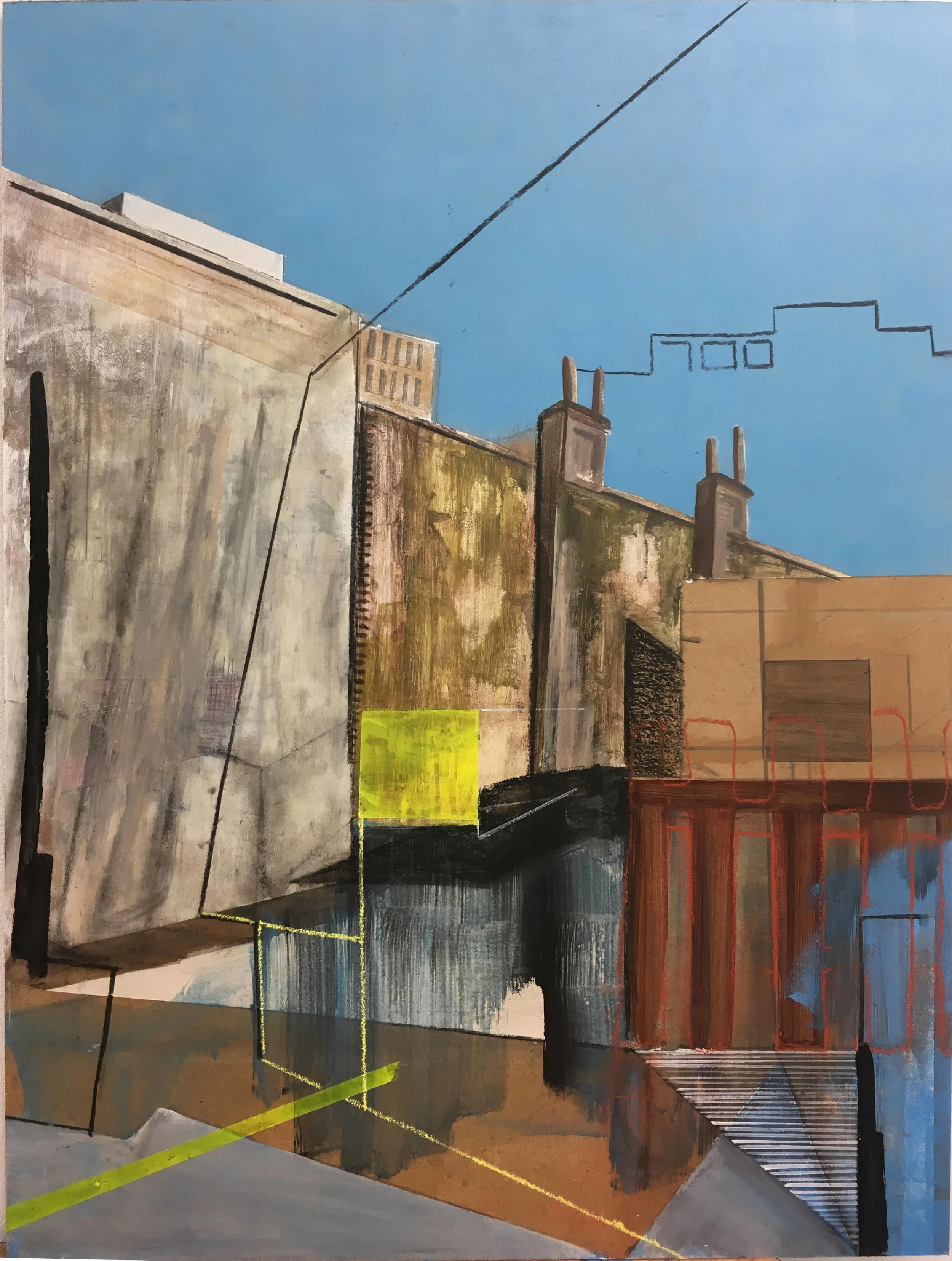
Artwork adjacent to a television competes for attention, so choose pieces with calmer palettes or softer imagery. Black-and-white photography, line drawings, abstract watercolours and muted landscapes sit comfortably beside a screen without overwhelming it. In Australia, many homeowners source affordable original work from local markets such as Finders Keepers in Sydney or weekend designer markets in Collingwood.
If you would like a wider selection, consider submitting your own work through a curated platform or browsing local independent galleries. Mixing mediums keeps the wall visually rich without becoming noisy.
Hanging techniques for Aussie walls
Plasterboard is the most common wall material in modern Australian apartments, and it requires proper anchors for anything heavier than two kilograms. Use toggle bolts or self-drilling plasterboard anchors rated for the weight of your frames. Bunnings stocks a good range of hanging hardware including 3M Command strips, which suit renters in share houses or short-term leases.
For heavier pieces, locate the timber studs behind the plasterboard using a stud finder and screw directly into them. If you live in an older brick home in Adelaide or a fibro cottage in Fremantle, you will need masonry anchors and a hammer drill instead. Always hang the television first, then build the gallery around it, since repositioning a mounted TV is far more disruptive than rearranging frames.
Lighting and final adjustments
Lighting can make or break a gallery wall, particularly in the long evenings common during Australian winters. Picture lights mounted above individual artworks cast warm pools of illumination, while track lighting offers flexibility for evolving arrangements. Avoid placing spotlights directly on the television, as glare will interfere with viewing.
Step back from the wall once everything is hung and live with the arrangement for a few days. Small adjustments to spacing often resolve lingering visual tension, and it is much easier to tweak a frame than to re-drill multiple anchors.
Refreshing the wall over time
A gallery wall should evolve with your taste, your travels and the seasons. Australians often bring home small works from regional trips, and rotating pieces keeps the display feeling current. If you are unsure how to handle this, exploring rotation strategies helps you avoid the common mistake of crowding new pieces onto an already full wall.
Store spare frames flat and wrapped in acid-free tissue to protect them from the humidity that affects many coastal homes, particularly those along the Queensland coast. Refresh the arrangement twice a year, ideally at the start of spring and autumn, to keep the wall feeling intentional.
Start designing your own television-and-art wall with confidence. The editorial team at Focus LDN shares fresh ideas, practical tutorials and stylish inspiration for apartment dwellers who want their walls to feel curated rather than cluttered.