Decorating a rental apartment without damaging the walls
A rental apartment can feel personal, polished, and visually layered without committing to permanent changes. The key is to treat every decorating decision as reversible: choose lightweight artwork, removable hardware, freestanding furniture, and arrangements that can be packed away without leaving a trace.
This approach works especially well for gallery walls, bedroom styling, and small bathroom updates. Instead of relying on nails, paint, or built-in shelving, you can create structure with proportion, texture, lighting, and carefully selected temporary fixtures.
Before buying anything, check your tenancy agreement and photograph the walls, trim, and doors. Rental rules vary, and a few minutes spent recording the original condition can prevent a dispute when it is time to move.
Start with the lease and the wall surface
Read the sections covering picture hooks, adhesive products, painting, shelving, and window treatments. Some landlords permit small pinholes but prohibit adhesive strips; others allow removable hooks only below a certain weight. Written approval is useful if you plan a larger installation.
Inspect the surface before choosing a hanging method. Smooth painted plaster generally accepts removable strips more reliably than textured paint, brick, wallpaper, or dusty drywall. Test any product on an inconspicuous area first, then wait to see whether the paint lifts or the adhesive weakens.
Clean the wall with a dry or slightly damp cloth and let it dry completely. Avoid applying adhesive over grease, fresh paint, flaking areas, or wallpaper seams. A clean, stable surface gives temporary hardware the best chance of holding securely.
Choose damage-free hanging systems
Removable picture strips are practical for lightweight prints and small frames because they distribute weight across a wider area. Follow the manufacturer’s weight rating, use the recommended number of pairs, and press each strip firmly for the required amount of time. Pull the tab slowly downward when removing it rather than pulling outward.
Small adhesive hooks can support slim frames, string lights, or a lightweight textile. For heavier artwork, consider a freestanding picture ledge, leaning frame, or narrow console instead of taking a risk with the wall. A bookcase can create the visual effect of a gallery display while adding storage.
Tension rods are useful in bathrooms, kitchens, and wardrobes where drilling is off limits. They can hold a café curtain, lightweight textile, or hanging basket, while over-door hooks provide storage for towels, robes, and accessories. Avoid using strong construction adhesives, sticky putty on porous paint, or ordinary double-sided tape on valuable surfaces.
Build a gallery wall that can move with you
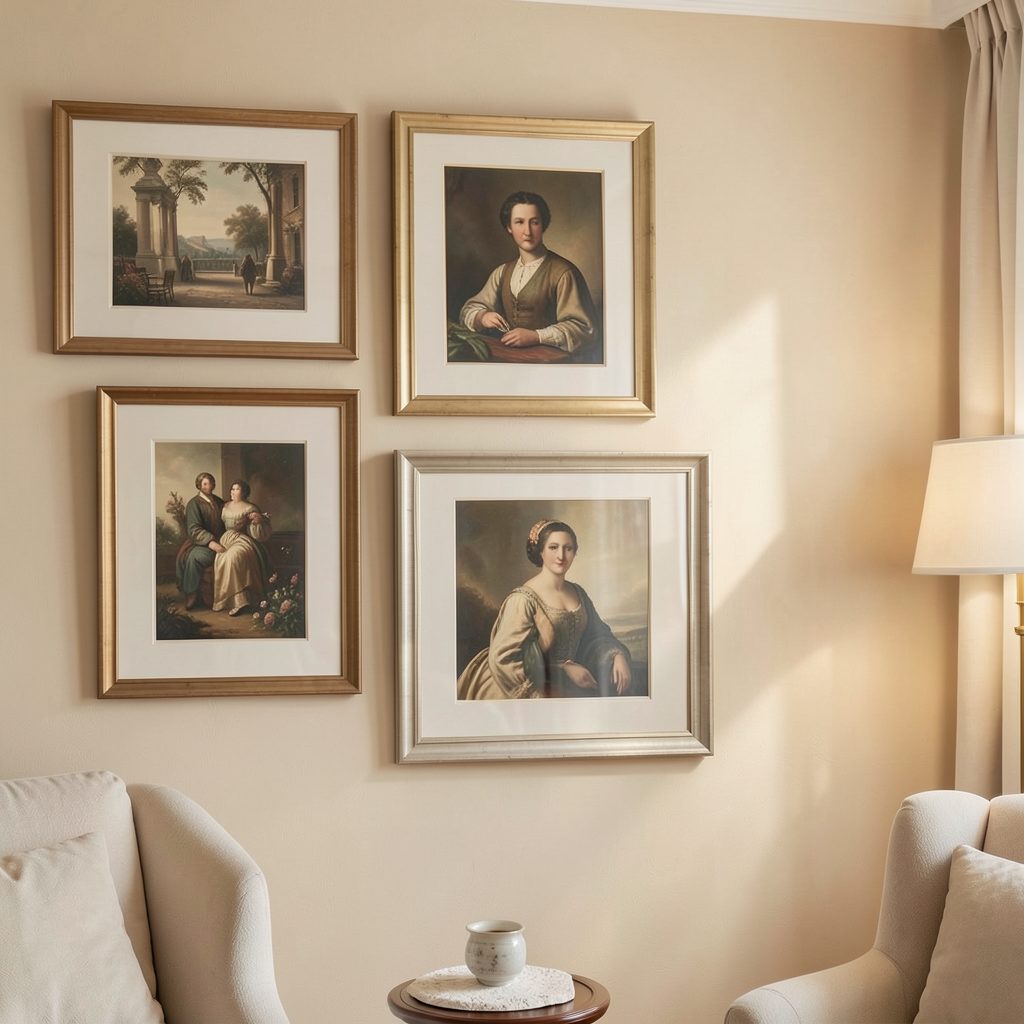
A rental-friendly gallery wall does not have to be fixed directly to the wall. Begin by arranging framed prints on the floor, using paper templates cut to each frame’s size. This lets you test spacing, alignment, and balance before choosing between adhesive strips, a picture ledge, or a leaning arrangement.
Keep the composition cohesive through one repeated element: matching frames, a restrained color palette, or a consistent gap between pieces. A mixture of photography, line drawings, posters, and small canvases feels collected when the outer shape remains controlled. For further inspiration, explore these gallery wall ideas before committing to a layout.
For a minimalist result, place the center of the arrangement near eye level and keep the lowest frame comfortably above furniture. In a narrow rental hallway, a vertical arrangement can emphasize ceiling height. In a living room, a wide grouping above a sofa should be visually lighter than the furniture beneath it.
Match the method to the artwork
The safest decorating method depends on the item’s weight, frame construction, and position. Use the comparison below as a starting point, then verify the product’s current specifications and your landlord’s rules.
| Display method | Best for | Main advantage | Watch for |
|---|---|---|---|
| Removable picture strips | Lightweight framed prints | Leaves no visible holes when removed correctly | Weight limits and weak paint |
| Adhesive hook | Small frames, textiles, light cords | Simple and inexpensive | Poor performance on texture or dust |
| Picture ledge | Several small artworks | Easy to rearrange without new wall marks | Must be stable and safely positioned |
| Leaning frame | Medium or large artwork | No wall contact required | Secure it away from pets and busy walkways |
| Tension rod | Curtains, baskets, lightweight décor | Useful in bathrooms and kitchens | Needs firm contact on both sides |
| Over-door hook | Towels, robes, bags | Adds storage without drilling | May interfere with closing the door |
Use acrylic glazing rather than heavy glass when possible, particularly for a high arrangement or a narrow ledge. Add clear museum gel or discreet anti-slip pads beneath leaning frames to reduce movement. Never place a valuable or heavy piece above a bed, cot, or frequently used seating area unless it is securely supported.
Decorate bedrooms and bathrooms with portable layers
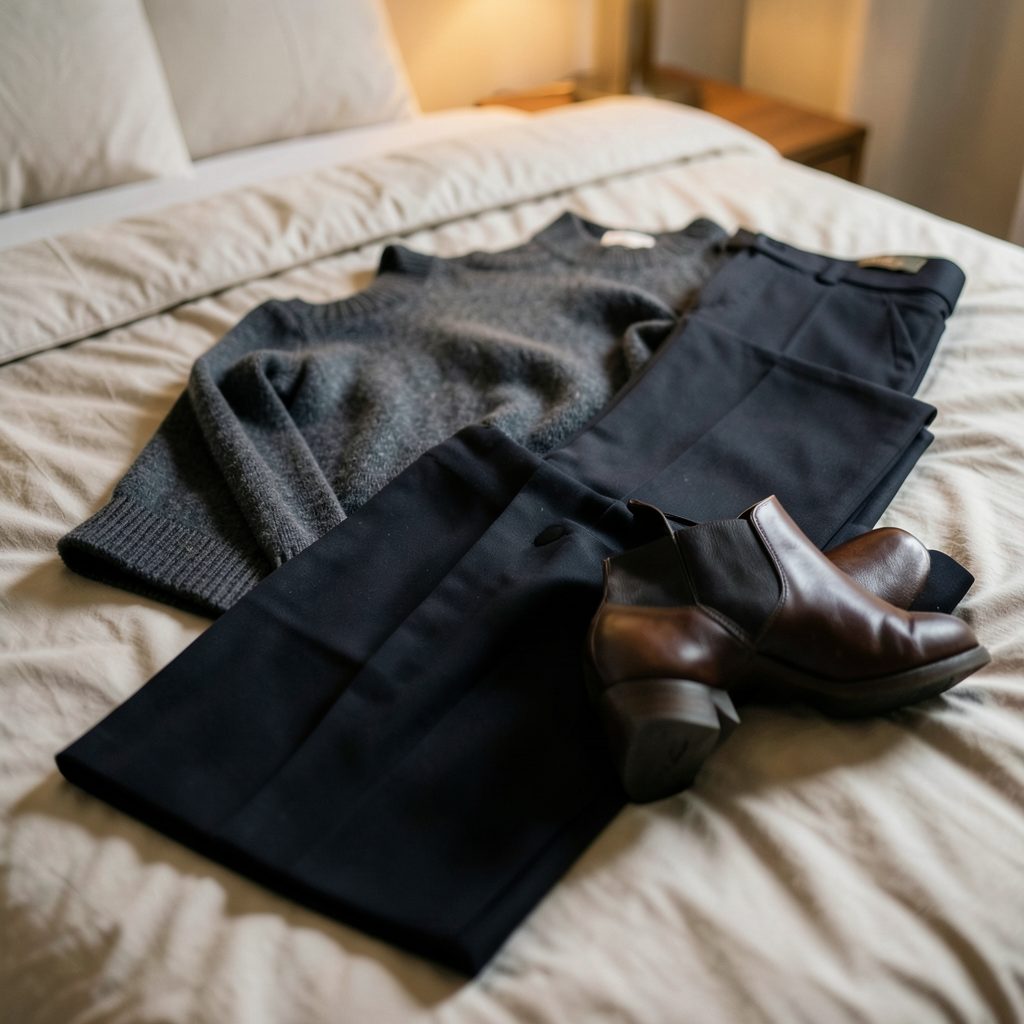
In a bedroom, let textiles provide the warmth that permanent wall treatments would usually create. A large rug, upholstered headboard, linen bedding, and a floor lamp can establish a finished look without paint or wallpaper. Lean artwork on a bedside chest or dresser, leaving enough space for lamps and everyday objects.
A folding screen can divide a sleeping area, conceal open storage, or act as a backdrop for a dressing corner. Freestanding mirrors add light and depth, while a slim clothes rail can display a deliberate selection of garments. These pieces can move between rooms or travel to the next apartment.
Bathrooms need moisture-resistant choices. Use framed prints with acrylic rather than glass, keep paper away from direct splashes, and select removable hooks designed for humid areas. A tension rod with a washable curtain can soften a window, while baskets, trays, and countertop organizers provide decorative storage without drilling into tile.
Give small details a deliberate finish
Temporary decorating looks most intentional when practical objects share a visual language. Repeat two or three tones across frames, cushions, storage boxes, and ceramics. Black metal can sharpen a neutral room, pale wood can soften it, and brushed brass can add warmth without requiring permanent fixtures.
Lighting is another powerful rental solution. Plug-in sconces, rechargeable table lamps, floor lamps, and clip lights can create layers where ceiling fixtures feel harsh. Conceal cords with removable cable clips rated for painted surfaces, keeping them loose enough to remove without tugging the finish.
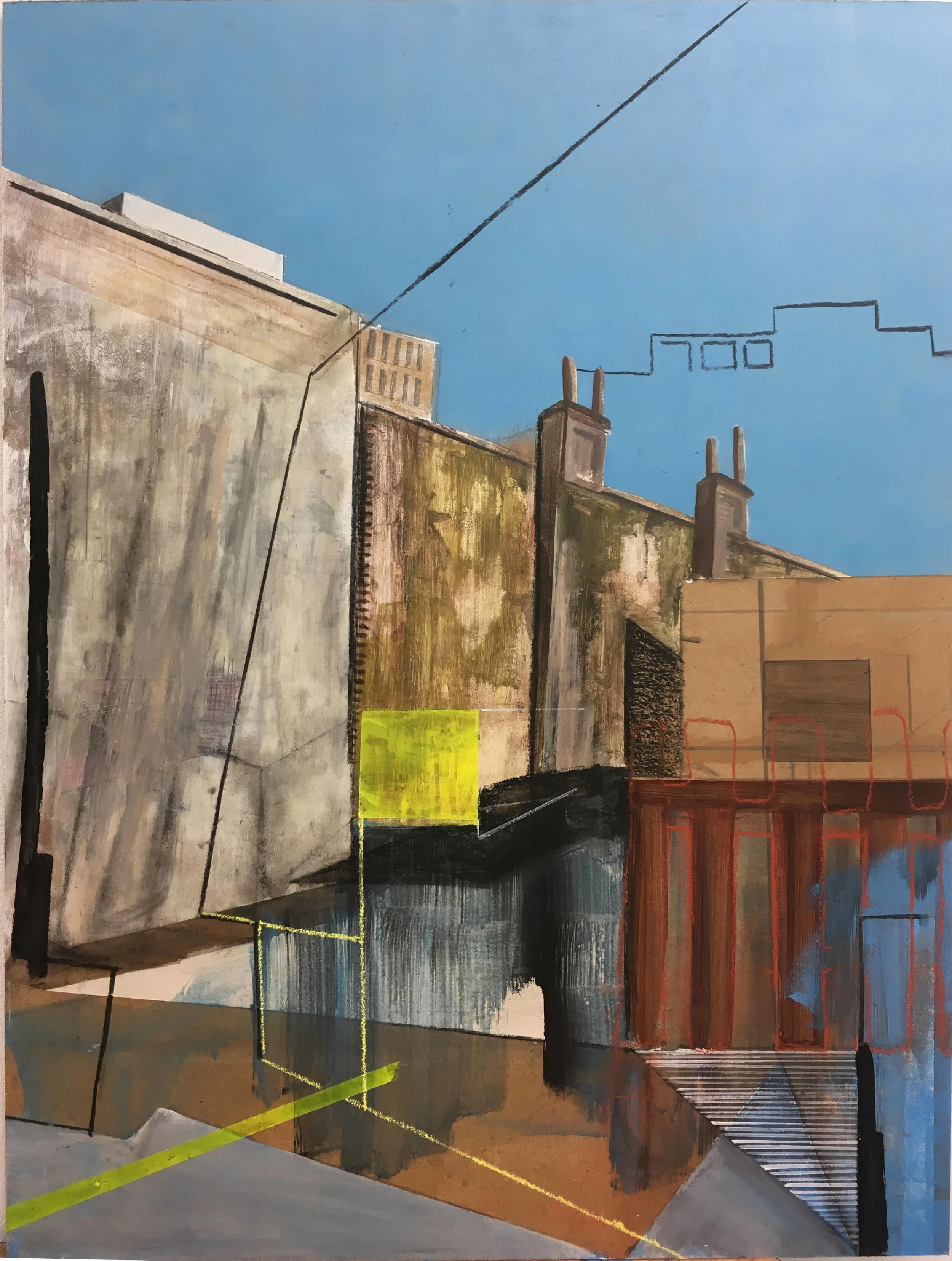
If your apartment includes original artwork or you create pieces yourself, carefully selected presentation can make a temporary home feel like a personal exhibition. You can submit your artwork to expand the connection between your home display and the wider creative community.
Keep a move-out plan from the beginning
Save the packaging and instructions for every hanging product. Record the location and weight of each display, and avoid mixing unknown adhesives with delicate paint. When rearranging, remove one item at a time so you can inspect the wall and respond to any lifting or discoloration early.
A simple inventory also makes relocation easier. Note which frames belong together, photograph successful arrangements, and store small hardware in labeled bags. If you develop a strong interest in curating artwork beyond your apartment, resources on how to start an art gallery can offer a natural next step.
A simple rental decorating checklist
Work through the room in this order to reduce mistakes and keep the finished space cohesive.
- Confirm the lease rules and document existing wall marks.
- Measure each wall, furniture piece, and artwork before buying hanging supplies.
- Test removable products in a hidden spot and respect their weight limits.
- Use floor-standing, leaning, and ledge-based displays for heavier pieces.
- Keep packaging, product instructions, and a photo record for move-out day.
A stylish rental does not depend on permanent alterations. With a measured gallery arrangement, portable lighting, layered textiles, and carefully chosen display hardware, even a plain apartment can feel considered and distinctly yours.
Begin with one small composition, refine it on the floor, and build outward only when the balance feels right. Browse Focus LDN for more artwork display inspiration and subscribe to the site’s email updates for practical ideas that make temporary spaces feel like home.