Affordable art ideas for a welcoming guest bedroom
A guest bedroom should feel considered without becoming overly personal. The best rooms offer a calm place to sleep, a little visual interest, and enough character to make visitors feel at home. Affordable artwork can achieve all three, especially when it is selected and arranged with the room’s size, light, and existing furnishings in mind.
You do not need a costly original painting or a professionally designed gallery wall. A thoughtful mix of prints, photographs, sketches, and handmade pieces can create a polished interior on a modest budget. The key is to make inexpensive art look intentional through scale, framing, and placement.
Begin with the room’s mood
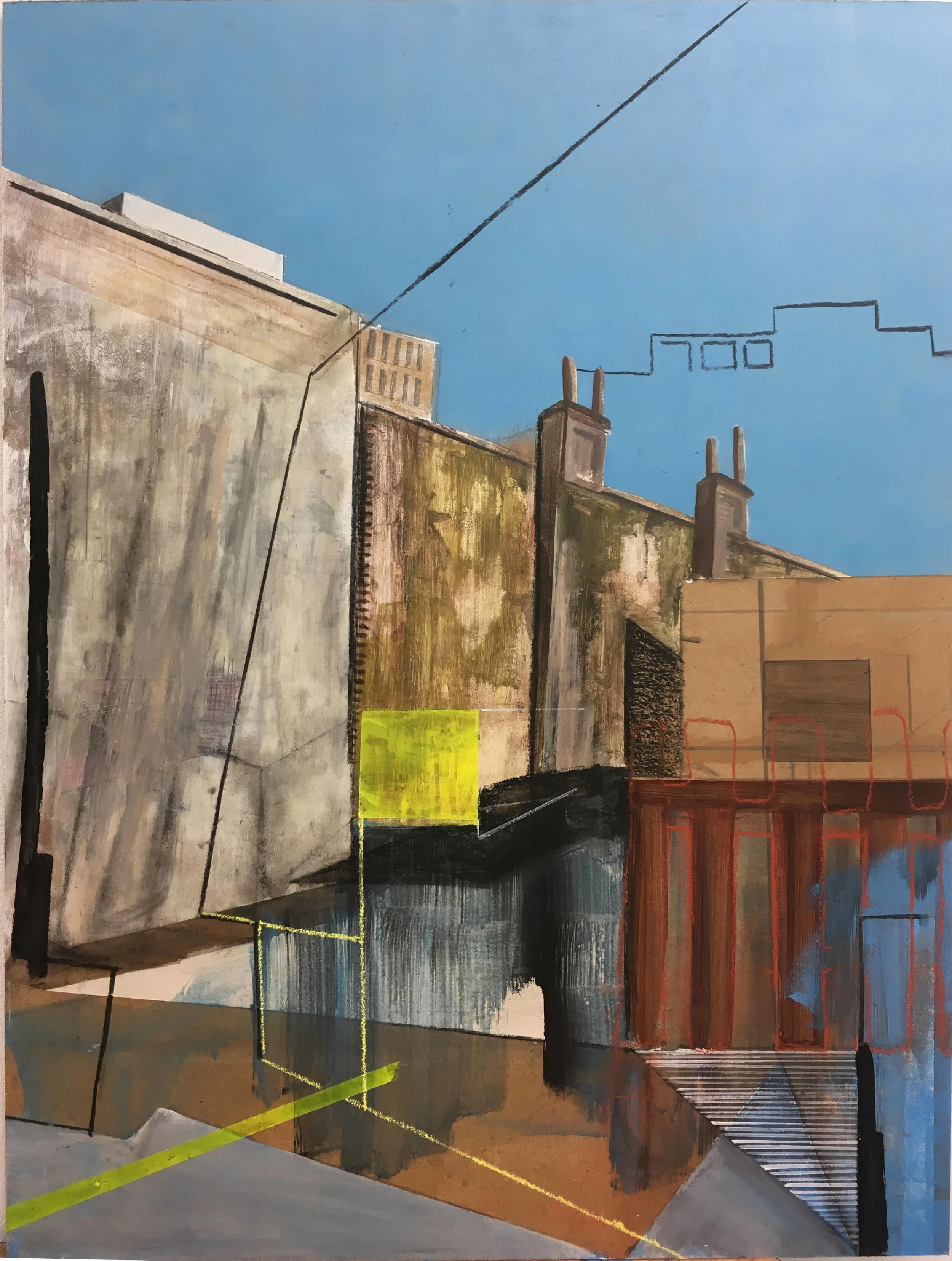
Start by deciding how you want the bedroom to feel. Soft botanical prints, pale landscapes, and abstract shapes in muted tones can create a restful atmosphere. For a brighter guest room, consider graphic posters, coastal photography, or small artworks with accents of ochre, blue, or terracotta.
Let the bedding and wall color guide your palette, but avoid matching every detail too closely. Artwork usually looks more sophisticated when it includes one or two contrasting shades. A warm neutral room, for example, can benefit from black line drawings or a deep green landscape.
Think about the experience from the bed. Guests will often see the main wall as they enter or settle down for the night, so choose artwork that is pleasant to look at without being visually demanding. Gentle composition and moderate contrast are more restful than crowded, highly detailed images.
Find character without overspending
Affordable art can come from many places: independent artists, charity shops, vintage book pages, flea markets, downloadable prints, and local exhibitions. A digital print can look remarkably elevated when printed on good paper and placed in a substantial frame.
When browsing online, search for terms such as archival print, limited edition poster, botanical illustration, abstract wall art, or photographic print. Buying a downloadable design gives you control over the paper size and allows you to choose a frame that suits the bedroom. Check the image resolution before purchasing so the final print remains sharp.
A small collection can also tell a story. Combine three related subjects, such as architectural details, garden studies, or black-and-white travel images. If you enjoy discovering emerging artists, explore this gallery wall guide for ideas on building a cohesive display from individual pieces.
Use framing to create a polished look
Frames make budget artwork feel finished. Matching frames create order, while a carefully mixed selection brings warmth and collected character. For a minimalist guest bedroom, slim black, white, oak, or natural wood frames are reliable choices. Avoid using too many finishes in one small room.
Mounts are especially useful for inexpensive prints. A wide white or warm ivory border gives a small image more presence and helps it sit comfortably on a larger wall. If you are framing several pieces together, use mounts with the same color and outer dimensions even when the artwork differs.
Glass quality matters less than precise assembly and clean presentation. Remove dust, center the print carefully, and make sure the frame hangs straight. A thrifted frame can become a stylish feature after a light sanding or a coat of chalk paint in a soft neutral shade.
| Artwork type | Best placement | Budget advantage | Styling note |
|---|---|---|---|
| Downloadable print | Above a desk or console | Print only what you need | Use a generous mount |
| Small painting | Bedside wall or shelf | Adds texture and individuality | Pair with simple frames |
| Vintage book page | Gallery arrangement | Often inexpensive to source | Protect delicate paper |
| Black-and-white photograph | Main wall or dresser | Creates a refined look | Repeat one frame finish |
| Postcard or mini print | Narrow wall space | Easy to collect gradually | Group in threes or fives |
Arrange art around the furniture
The wall above the bed is a natural focal point, but it is not the only option. A single large print can anchor the room, while two narrow works placed side by side suit a wide headboard. In a compact bedroom, hang artwork on the wall opposite the bed or above a small writing desk to avoid making the sleeping area feel crowded.
Keep the bottom edge of a picture roughly 15 to 25 centimeters above the headboard, depending on its height. The artwork should feel connected to the furniture rather than floating too high. Above a dresser, leave enough space for objects such as a lamp, vase, or tray.
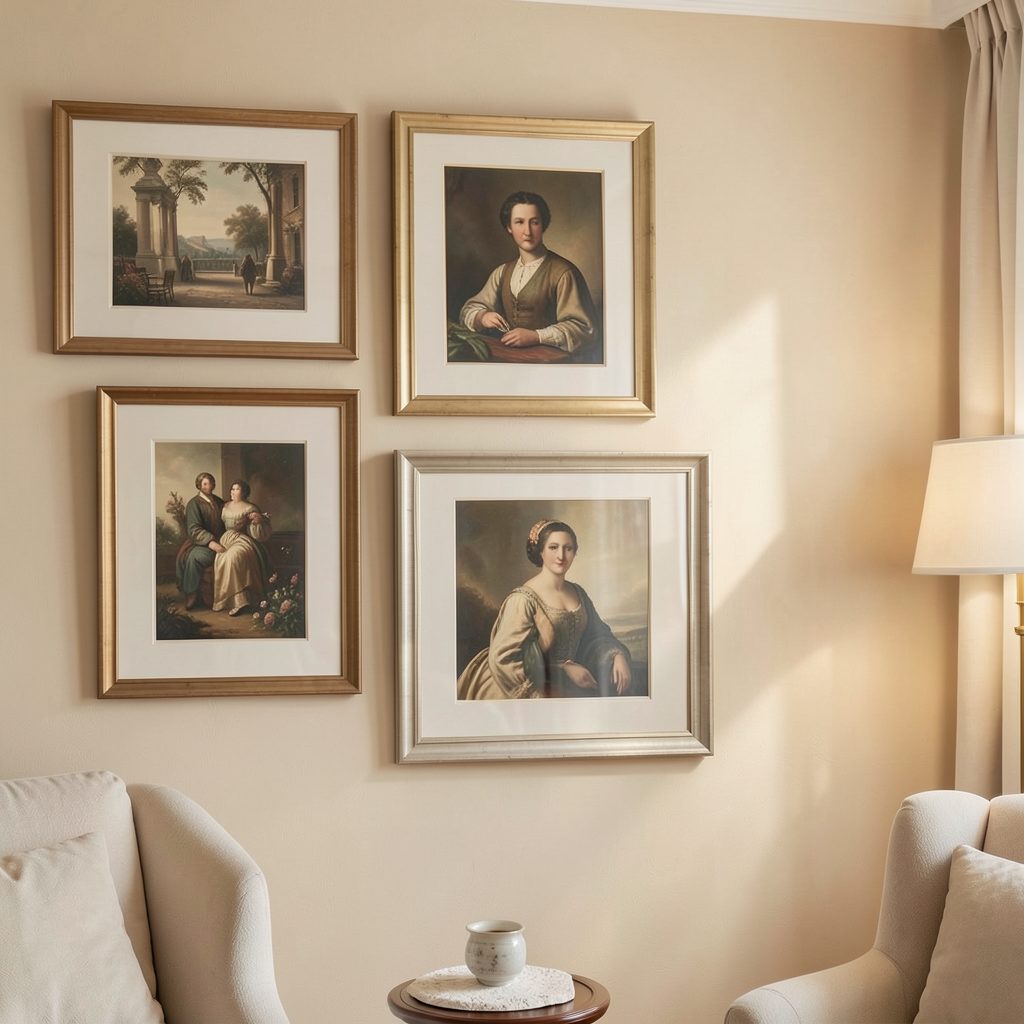
For a gallery wall, lay the frames on the floor first. Begin with the largest piece and arrange smaller works around it, keeping gaps relatively consistent. A spacing of five to eight centimeters usually feels balanced. Photograph the arrangement before transferring it to the wall, then use paper templates and low-tack tape to mark the positions.
Make a small collection feel intentional
A guest room does not need a large gallery wall to look complete. Three coordinated prints above a console or a pair of artworks beside a mirror can provide enough visual focus. Repetition is the simplest way to create unity: repeat a color, frame style, subject, or paper tone across the arrangement.
For a relaxed appearance, mix orientations and sizes while keeping the outer edges loosely aligned. For a more minimalist interior, choose identical frames and arrange the pieces in a precise grid. Both approaches work well when there is breathing room around the display.
Affordable art also works beyond the walls. Rest a framed print on a dresser, layer a smaller piece in front of a mirror, or place a postcard in a bedside frame. Leaning artwork is practical in a rental and makes it easy to refresh the room when the seasons change.
Keep the room practical for visitors
Decorative choices should leave space for guests’ belongings and daily routines. Avoid placing fragile objects where luggage may brush against them, and do not let frames interfere with doors, windows, bedside lighting, or wardrobe access. Secure heavier artwork properly, particularly above the bed.
Lighting changes how art appears throughout the day. Natural light can bring out subtle colors, while a warm bedside lamp makes earthy tones and textured paper feel inviting. If the room has limited daylight, choose lighter artwork with clear shapes rather than very dark prints that may absorb the available light.
A restrained finishing scheme helps the artwork stand out. Pair wall decor with crisp bedding, one or two tactile cushions, and a small amount of greenery. The result should feel welcoming and finished, yet flexible enough for different visitors.
Build a simple decorating plan
A few decisions can prevent unnecessary spending and make the final arrangement more cohesive:
- Choose the wall color and bedding palette before buying prints.
- Measure available wall space and furniture width before selecting frames.
- Start with one anchor artwork, then add smaller pieces around it.
- Use mounts, consistent spacing, or repeated colors to connect mixed artwork.
- Prioritize secure hanging and clear access around the bed and storage.
Take time to live with the arrangement before adding more. Guest rooms often benefit from restraint, and an uncluttered wall can make a modest space appear larger. If you discover a local artist whose work suits the room, consider submitting your artwork to reach an audience interested in thoughtful home displays and contemporary creative work.
With a small budget, careful framing, and a clear point of view, a guest bedroom can feel personal without becoming overwhelming. Choose pieces that create a calm first impression, arrange them with attention to scale, and let the room’s everyday comfort guide the final details. Start with one affordable print this week and build the display gradually as the space reveals what it needs.