Creating a spa-like bathroom with minimalist decor
A calm bathroom begins with visual restraint. Clean surfaces, muted colours, soft lighting, and carefully chosen materials can turn even a compact room into a restorative retreat. The goal is not to remove every object, but to give each one enough space and purpose.
Minimalist decor works especially well in bathrooms because it supports both practicality and atmosphere. When towels, toiletries, artwork, and accessories have a considered place, the room feels easier to use and more relaxing to inhabit.
A successful spa-inspired scheme also depends on sensory details. Natural textures, warm illumination, quiet colours, and a few personal touches create a polished space that feels connected to the rest of the home rather than overly clinical.
Start with a quiet colour palette
Soft neutrals create the foundation for a tranquil bathroom. Warm white, limestone, pale taupe, greige, muted sage, and dusty blue can all bring a gentle sense of calm without making the room appear flat. If the walls and floor share similar undertones, the space will feel more continuous and visually spacious.
Use contrast sparingly. Dark bronze, matte black, or walnut can define mirrors, shelving, and hardware, but too many strong accents may interrupt the restful mood. A simple palette of two or three main tones is usually enough for a refined, gallery-like finish.
Paint is not the only way to introduce colour. Stone-effect porcelain, handmade-look tiles, limewash-inspired finishes, and microcement can add depth while retaining a minimalist appearance. Choose surfaces with subtle variation rather than highly patterned designs that compete for attention.
Choose materials that invite touch
A spa atmosphere depends on texture as much as appearance. Combine smooth ceramic, brushed metal, natural timber, ribbed glass, and tactile textiles to keep a neutral bathroom interesting. These materials add warmth without creating visual clutter.
Wooden accents are particularly effective in a white or stone-coloured bathroom. A floating oak stool, teak bath caddy, or slim timber shelf can soften hard surfaces and provide a place for a book, candle, or folded towel. Select sealed materials designed for humid environments, and keep wooden pieces away from persistent splashes.
Textiles should feel substantial and coordinated. Thick cotton towels, waffle bath sheets, a linen-blend curtain, and a woven laundry basket can make the room feel more comfortable. Keep patterns restrained, and repeat one texture or colour across several pieces for a composed result.
Make lighting part of the design
Layered lighting transforms the bathroom throughout the day. Ceiling illumination provides general visibility, wall lights or sconces support grooming, and a dimmable accent source creates a softer evening mood. Warm white bulbs around 2700–3000K tend to flatter skin tones and make neutral materials feel more welcoming.
Avoid relying on a single bright fixture above the mirror, which can cast unhelpful shadows and make the room feel harsh. Place lighting on both sides of the mirror where possible, or choose a backlit design with an even glow. Always use fittings rated for the appropriate bathroom zone.
Artwork can also benefit from thoughtful illumination. The guidance on showcasing artwork is useful when choosing low-glare fixtures and positioning a small print away from direct moisture. In a bathroom, select protected frames, sealed surfaces, or reproductions that can tolerate humidity.
Keep storage calm and concealed
Visible products quickly undermine a minimalist bathroom. Group daily essentials in one or two attractive trays, then store backups, cleaning supplies, and less-used items behind closed doors. A wall-mounted vanity, mirrored cabinet, or recessed niche can preserve clear surfaces while keeping necessities accessible.
Open shelving can work when it is edited carefully. Reserve it for neatly folded towels, a small ceramic vessel, or a single apothecary-style bottle. Repeated containers create a more unified look than a collection of brightly coloured packaging.
Consider the visual weight of every storage element. Handleless drawers, slim pulls, floating cabinetry, and wall-hung toilets help maintain an airy appearance. If the bathroom is narrow, vertical storage can use the full height of the room without taking valuable floor space.
| Design element | Best minimalist choice | Spa-like effect |
|---|---|---|
| Wall colour | Warm white, pale taupe, or soft sage | Makes the room feel quiet and spacious |
| Lighting | Dimmable layered fixtures in warm white | Creates a gentle evening atmosphere |
| Storage | Closed vanity or mirrored cabinet | Keeps surfaces visually clear |
| Textiles | Thick cotton, waffle, or linen blends | Adds softness and comfort |
| Accessories | Stone, wood, glass, and ceramic | Introduces natural tactile contrast |
| Artwork | Small protected print or restrained composition | Gives the room personality without clutter |
Add art with a light touch
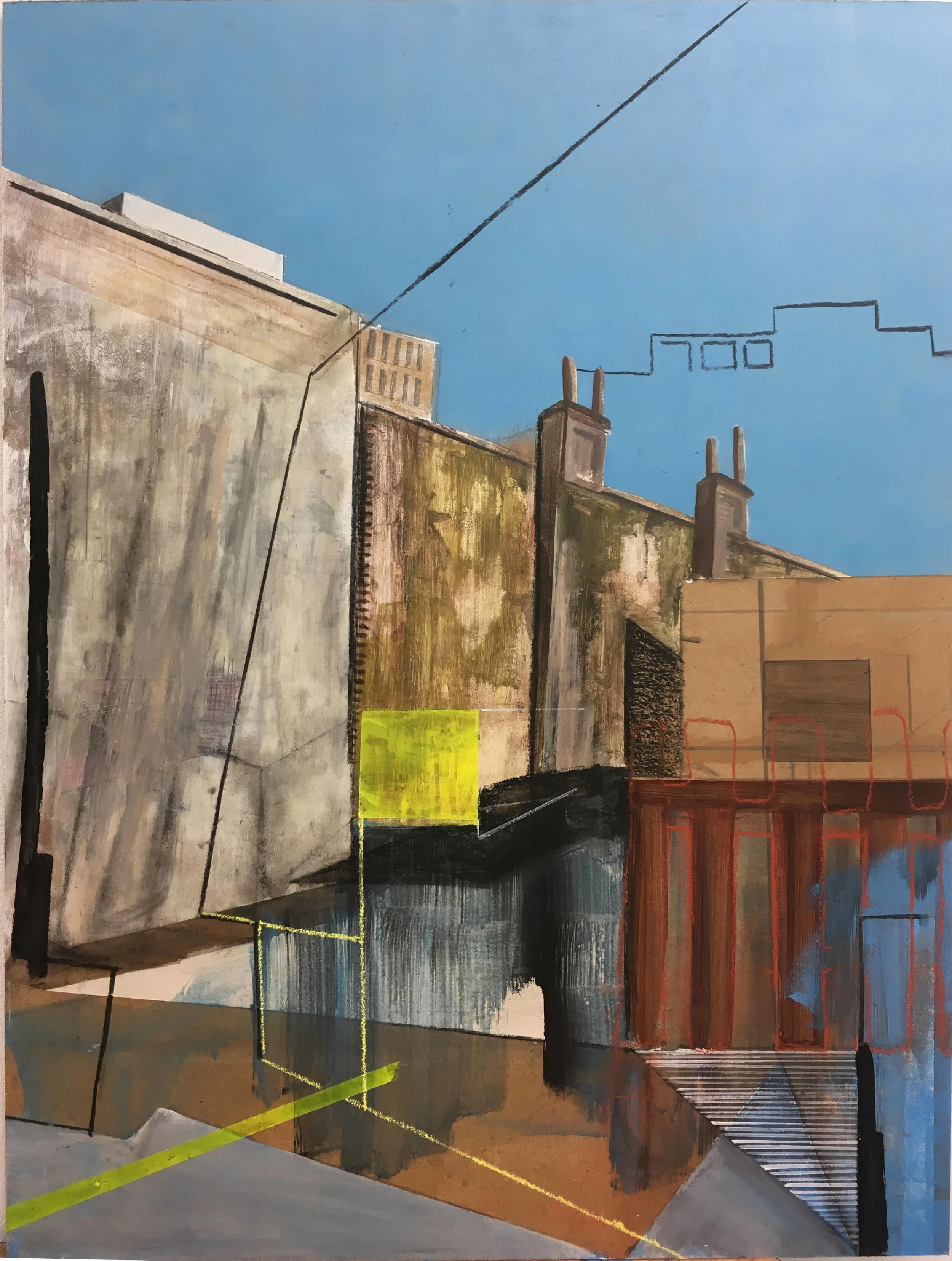
Artwork can make a bathroom feel intentional rather than purely functional. Choose one small framed work, a pair of coordinated prints, or an abstract piece in a moisture-resistant frame. Botanical studies, soft architectural drawings, line art, and muted photographs tend to suit a spa-inspired setting.
Placement matters. Hang art where it will not receive direct spray, heavy condensation, or constant contact with wet hands. A print above a towel rail, beside a vanity, or on a dry wall opposite the bath can become a quiet focal point.
For an affordable starting point, explore accessible art sources and look for pieces that echo the bathroom’s natural palette. A frame in oak, brushed metal, or painted wood can connect the artwork to existing fixtures and cabinetry.
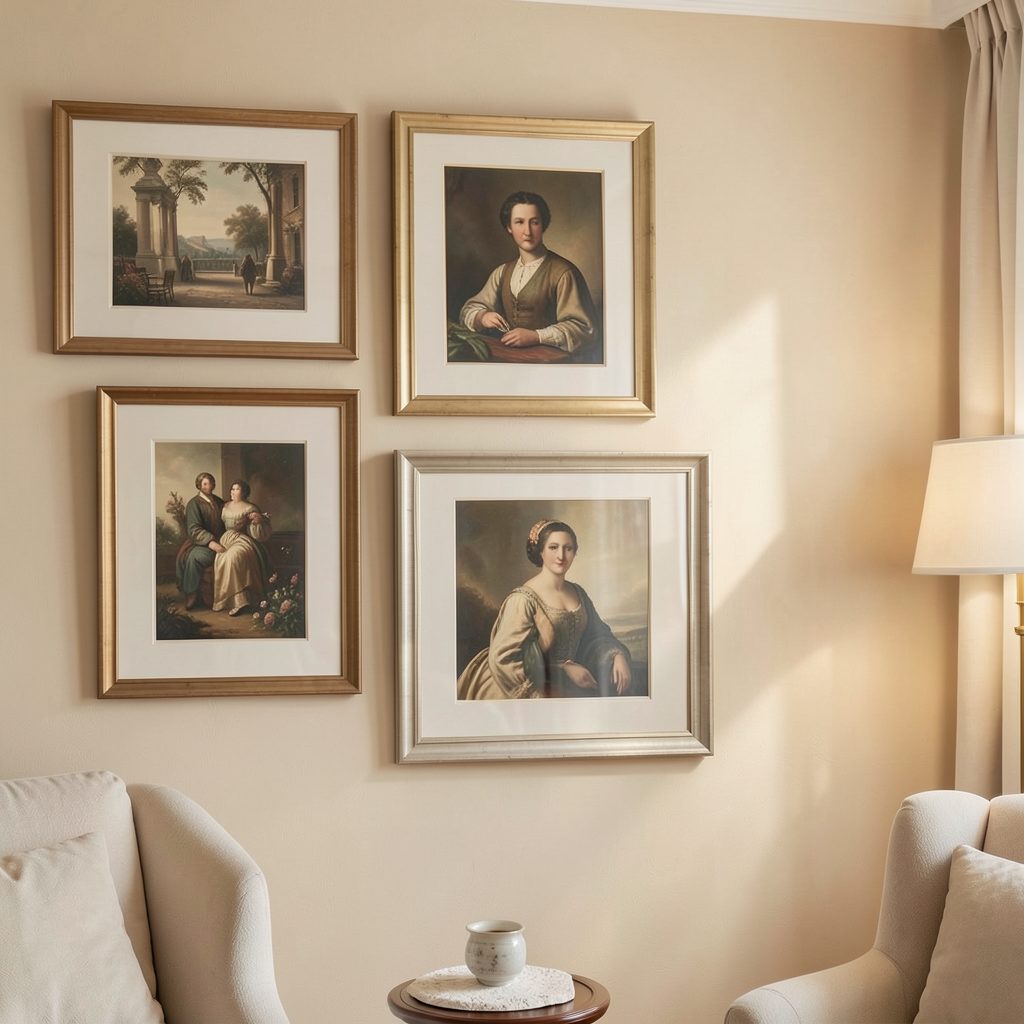
A gallery wall is possible in a larger bathroom, but restraint is essential. Use a consistent frame finish, generous spacing, and artwork with related colours. In a compact room, one well-positioned piece will usually have greater impact than several competing images.
Build a restorative daily ritual
Decor becomes more effective when it supports a routine. Place a small stool near the bath for a towel or cup of tea, keep a natural-bristle brush in a ceramic holder, and use a lidded container for bath salts. These details should be useful first and decorative second.
Plants can introduce life and improve the softness of the room. Choose varieties suited to humidity and indirect light, such as ferns, pothos, orchids, or smaller palms. A single substantial plant often looks more sophisticated than several scattered pots.
Scent completes the experience. Essential-oil diffusers, eucalyptus bundles, soy candles, and lightly fragranced soaps can create a subtle atmosphere, but avoid mixing too many aromas. Select one signature scent family, such as eucalyptus, cedar, lavender, or neroli.
Simple choices that keep the room serene
- Limit countertop displays to the products used every day.
- Select towels in one colour family, with texture providing the variation.
- Use concealed bins and matching containers for practical necessities.
- Choose one standout natural accent, such as timber, stone, or greenery.
- Leave some surfaces deliberately empty so the room can breathe.
Balance minimalism with personality
A spa-like bathroom should feel personal, not staged. Include objects that make the space pleasant to use, whether that is a favourite ceramic soap dish, a sculptural vase, or a framed print collected during travel. The key is to edit these pieces so each one has visual and emotional value.
Think of the room as a small private gallery. The art gallery guide can provide useful inspiration for curating a cohesive selection, even if your bathroom display consists of only one or two works. Look for a relationship between shape, scale, and negative space.
Before adding anything new, remove an item that no longer serves the room. This simple habit protects the clean lines that make minimalist interiors feel restorative. Over time, the bathroom can evolve through considered additions rather than a complete redesign.
Begin with one clear surface, one warm light source, and one tactile material that changes the mood of the room. Then refine the details until every practical object contributes to a calmer, more beautiful daily ritual.