Creating a reading nook with art and soft lighting
A reading nook can be modest in size yet rich in atmosphere. With a comfortable chair, a small surface, carefully chosen artwork, and warm illumination, an unused corner becomes a purposeful part of the home. The best arrangements feel relaxed rather than overly styled, giving books and quiet moments a natural place to belong.
Art helps define the mood of the space. A single framed print can create a calm focal point, while a compact gallery wall adds personality without requiring much furniture. Soft lighting then brings those pieces into focus after sunset, making the nook feel separate from the rest of the room.
The key is balance. Reading requires useful light, but the corner should still feel restful. Materials, scale, colour, and positioning all contribute to a setting that supports concentration while adding a gallery-inspired detail to everyday living.
Choose the nook’s natural anchor
Begin with the most practical location. A corner beside a window, near a bookcase, or at the end of a bedroom can work well, provided there is enough room to sit comfortably and move around the chair. Avoid placing the nook where a door, radiator, or busy walkway will interrupt the sense of retreat.
Use the chair as the visual anchor, then build around its proportions. A compact armchair suits a small apartment, while a chaise or low lounge chair can fill a wider alcove. Add a narrow side table for a book, reading glasses, and a cup, but avoid filling every available surface.
The artwork should relate to the chair rather than float above it. A print that is approximately two-thirds the width of the seating creates a pleasing relationship, while a smaller piece can be grouped with another work to form a balanced arrangement.
Build a comfortable visual frame
Soft textiles make a reading corner feel inviting. A wool throw, linen cushion, or subtly patterned seat pad adds warmth without competing with the wall art. Choose one or two textures and repeat them elsewhere in the room to make the nook feel integrated rather than temporary.
A small rug can define the area, especially in an open-plan room. Round rugs soften angular furniture, while rectangular designs work well beneath a chair and side table. Leave enough exposed flooring around the edges so the arrangement looks deliberate and does not become visually heavy.
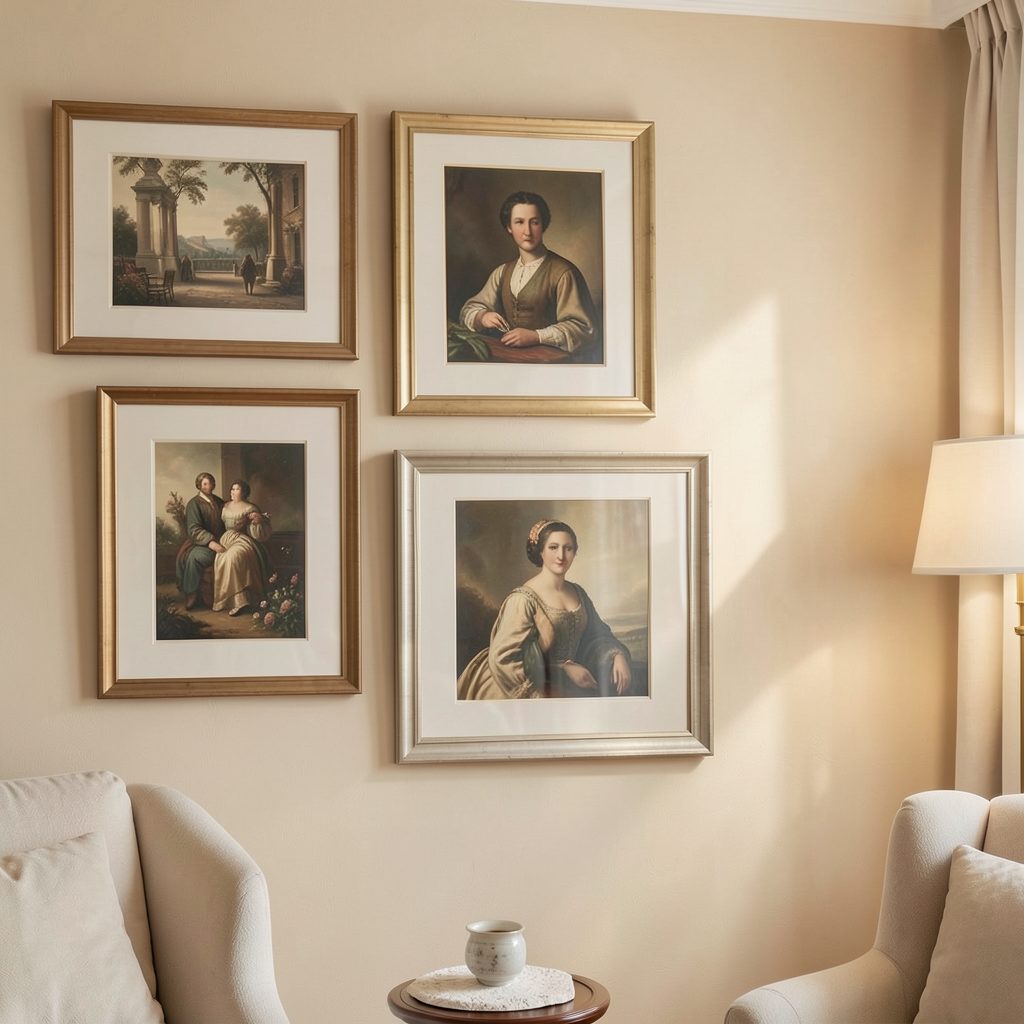
For the wall, consider a restrained composition. Two related prints, a small collection of black-and-white photographs, or one expressive abstract work can establish a personal gallery atmosphere. Keep the lower edge of the frame close enough to the chair to connect the artwork with the seating, rather than placing it high like a traditional living-room display.
Layer warm, useful lighting
A reading nook needs more than decorative glow. Position a floor lamp or adjustable wall light so it illuminates the page from over the shoulder, reducing glare and shadows. A directional shade is especially useful when the chair faces a wall, while a swing-arm lamp offers flexibility for different reading positions.
Use warm bulbs in the range of roughly 2700K to 3000K for a gentle evening atmosphere. Dimmable lighting gives the space two functions: brighter light for reading and a lower setting for listening to music or displaying artwork. Frosted bulbs can soften the effect and prevent harsh points of brightness.
A small table lamp can add a second layer of illumination, but it should not sit directly beside the main light source at the same height. Varying the levels creates depth. If the artwork has a reflective glass frame, angle the lamp slightly to prevent glare across the surface.
| Element | Practical choice | Atmosphere it creates |
|---|---|---|
| Main light | Adjustable floor or wall lamp | Clear, comfortable reading |
| Secondary light | Small shaded table lamp | Warm ambient glow |
| Artwork | One large print or a compact grouping | A defined focal point |
| Textile | Wool throw or linen cushion | Tactile comfort |
| Surface | Slim side table | Space for essentials without clutter |
Select artwork that supports reading
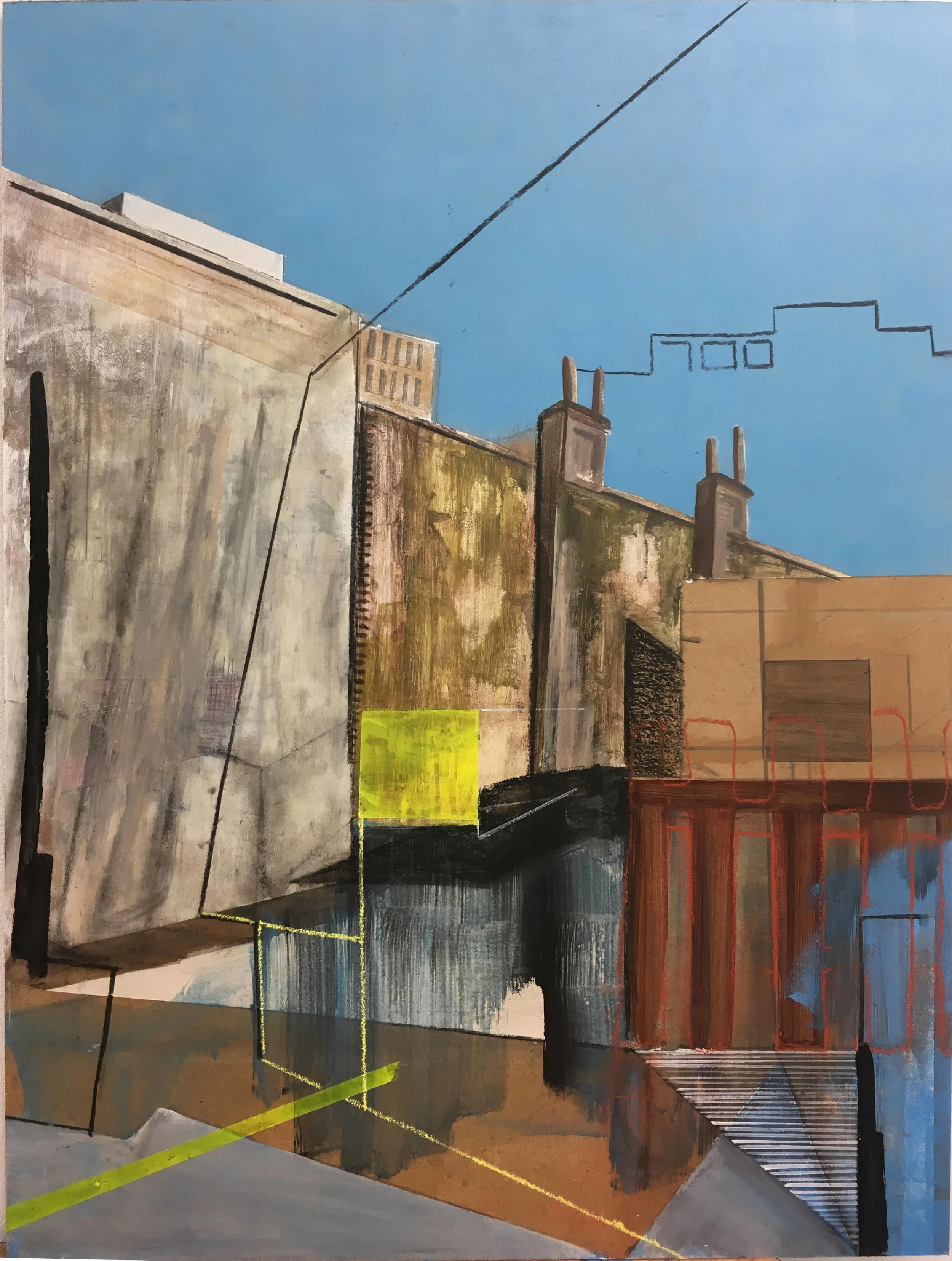
The most successful artwork for a reading corner complements the pace of the space. Botanical studies, quiet landscapes, line drawings, and muted abstracts tend to encourage a calm mood. That does not mean the work must be neutral; a deep blue, rust, or olive accent can add character while remaining soothing.
Think about the viewing distance from the chair. Highly detailed pieces reward close inspection, whereas broad shapes and generous negative space are easier to appreciate across a room. If the nook is beside a window, protect delicate works from direct sunlight with UV-filtering glazing or a placement that avoids strong afternoon exposure.
Frame selection can make the arrangement feel more considered. Natural wood brings softness, slim black frames create definition, and white frames keep a small corner feeling light. For a gallery wall, repeat one frame finish or mat colour so different artworks share a visual thread.
Keep small spaces visually calm
In a compact apartment, the reading nook should enhance the room without making it feel crowded. Choose furniture with visible legs, narrow arms, and a restrained profile. Wall-mounted shelving can hold a few favourite books while preserving floor space, but leave some shelves open so the display can breathe.
The same principle applies when decorating nearby areas. A light palette, reflective surface, and carefully limited accessories can make a small home feel more spacious; these small bathroom decorating ideas offer useful inspiration for editing accessories and using compact surfaces effectively.
Keep cords tidy and hide excess books in a basket or closed compartment. A reading corner feels more luxurious when practical details are quiet. One plant, a ceramic vessel, or a small sculpture is usually enough to finish the setting without distracting from the artwork.
Connect the nook to the wider room
A reading corner should look like part of the home’s visual language. Repeat a material or colour from nearby furniture in the frame, cushion, or lamp base. This connection can be subtle: a walnut frame beside a wood cabinet or a warm metal lamp echoing hardware elsewhere in the room is sufficient.
Bedrooms are particularly suited to reading nooks because they already support slower routines. If the corner sits near the bed, keep the palette restrained and furniture purposeful. The ideas in this minimalist bedroom guide can help maintain a sense of openness while giving the chair and artwork enough presence.
Avoid matching every item too closely. A collected arrangement feels more personal when one element introduces contrast, such as a vintage frame, patterned cushion, or sculptural lamp. The goal is cohesion, not uniformity.
A simple styling checklist
Before adding another decorative object, assess how the nook works in daily use. The chair should be comfortable for at least twenty minutes, the light should reach the page without glare, and the artwork should be visible from the main entrance to the room.
- Place the chair where natural light is useful but not damaging to artwork.
- Hang or position art in proportion to the seating rather than the entire wall.
- Combine one focused reading light with a softer ambient source.
- Limit accessories to items that are useful, tactile, or personally meaningful.
- Check the arrangement from seated and standing viewpoints.
Leave a little visual quiet around the nook. Negative space gives the artwork room to register and makes the corner feel intentional. As seasons and routines change, rotate cushions, throws, or a small print rather than redesigning the entire arrangement.
Bring the idea to life by choosing one corner, clearing it fully, and starting with the chair and light. Add artwork only after the practical arrangement feels right, then refine the textures and accessories until the space invites you to pause. Subscribe to Focus LDN for more considered ideas on gallery walls, apartment decorating, and stylish home living.