Creating a Gallery Wall Around a Fireplace Mantel
A fireplace naturally becomes the visual anchor of a living room, so the wall above it deserves more than a random collection of framed prints. A well-planned arrangement can make the mantel feel architectural, add personality to the room and connect artwork with furniture, lighting and everyday living.
The most successful gallery walls combine structure with a relaxed sense of discovery. Whether your home is a terrace in Melbourne, a Queenslander in Brisbane or a compact Sydney apartment, the right scale, spacing and frame selection will help the display look intentional rather than crowded.
| Gallery wall style | Best for | Visual effect | Hanging approach |
|---|---|---|---|
| Single oversized artwork | Minimal rooms and narrow mantels | Calm and confident | Centre one piece with generous space around it |
| Symmetrical pair | Classic interiors and formal fireplaces | Balanced and polished | Use matching sizes or frames on either side |
| Grid arrangement | Modern homes and collected prints | Orderly and graphic | Keep equal gaps and aligned edges |
| Eclectic salon wall | Character homes and layered interiors | Artistic and personal | Mix sizes while keeping one unifying feature |
| Vertical composition | Tall ceilings and compact mantels | Draws the eye upwards | Stack smaller pieces or use a tall central work |
Start With The Mantel’s Visual Weight
Before choosing art, assess the fireplace itself. A broad stone surround, dark timber mantel or ornate period detail already carries visual weight. In that case, a gallery wall should support the architecture instead of competing with it. A narrow mantel may suit one large artwork, while a wide shelf can handle a more expansive arrangement.
Measure the mantel width, the wall height and the distance between the mantel and ceiling. Aim for the artwork to occupy roughly two-thirds to three-quarters of the mantel’s width, while leaving enough breathing room at each side. The lowest frame should sit high enough to avoid knocks from vases or books, but not so high that the arrangement appears detached from the fireplace.
Choose A Strong Unifying Element
A gallery wall can include photographs, paintings, sketches, textiles and small sculptural pieces. To keep these different formats connected, repeat one visual feature. This might be a shared colour such as ochre, navy or eucalyptus green, a consistent frame finish, or a recurring subject such as architecture, coastal landscapes or botanicals.
Frame variety works particularly well in relaxed Australian interiors, but too many competing finishes can make a mantel feel unsettled. Try combining timber with black metal, or aged brass with natural oak, then repeat each finish at least twice. If you are combining inherited pieces with new purchases, these artwork mixing ideas can help the collection feel deliberately assembled.
A central artwork can act as an anchor even when the surrounding pieces are varied. Choose the largest or most visually striking work for the middle, then place smaller pieces around it to create a gentle hierarchy.
Build The Arrangement Before Hanging
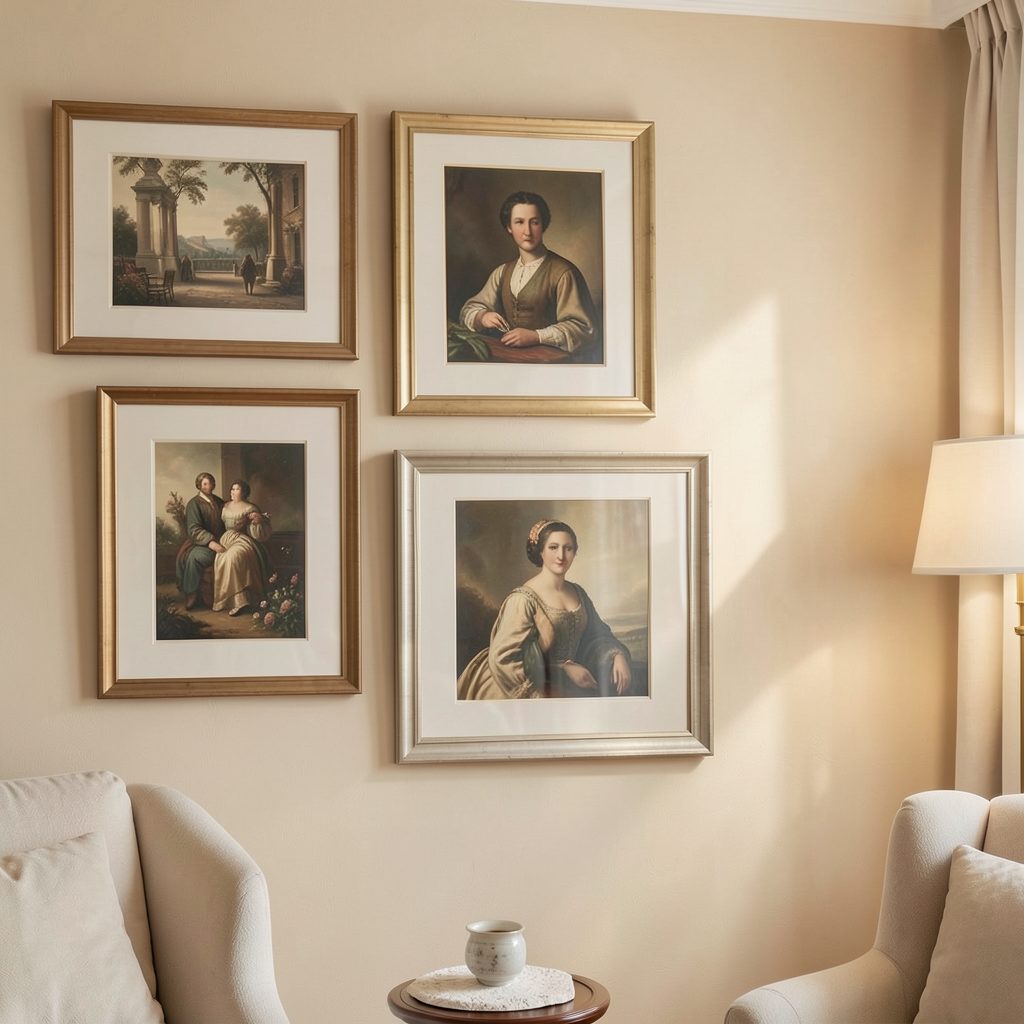
Lay every frame on the floor and arrange it as if you were looking at the mantel wall from straight on. Begin with the largest piece, then add medium frames and finish with smaller works. Keep the outer silhouette in mind: a soft rectangle, an arch or an uneven but balanced cluster will usually look more natural than scattered individual items.
Leave approximately five to eight centimetres between most frames. Tighter spacing creates a dense salon effect, while wider gaps produce a cleaner, more minimalist display. Trace the layout onto kraft paper, cut it out and tape the pieces to the wall before drilling. This simple step is especially useful in rental apartments or older homes where unnecessary holes are best avoided.
Create Balance With Colour And Texture
Colour should relate to the room without matching every cushion or curtain. Pull tones from the rug, upholstery or nearby ceramics, then introduce one unexpected note. A rust print can enliven a neutral room, while pale blue artwork can soften a dark timber fireplace.
Texture gives a framed arrangement depth. Include a linen-mounted print, a slightly reflective glass frame or a work on handmade paper alongside conventional posters. If the room feels visually top-heavy, ground the composition with tactile furnishings and layered rug ideas, especially when the fireplace is positioned above timber or polished concrete flooring.
Keep the mantel styling restrained. One substantial vase, a pair of candlesticks or a low stack of books is often enough. Too many accessories can interrupt the lower edge of the gallery wall and make the entire fireplace feel busy.
Work With Australian Homes And Light
Australian rooms often receive strong, directional daylight, particularly in north-facing spaces in Sydney, Melbourne and Adelaide. Glass can create glare, so consider museum glass, acrylic glazing or a matte finish for works opposite large windows. Test the display at different times of day before committing to a final arrangement.
In Queenslander homes and coastal houses, ventilation and humidity can affect paper, canvas and timber frames. Keep artwork away from direct heat, damp exterior walls and open flames. A gas or electric fireplace may allow more flexibility, but framed pieces should still be positioned according to the appliance manufacturer’s clearance requirements.
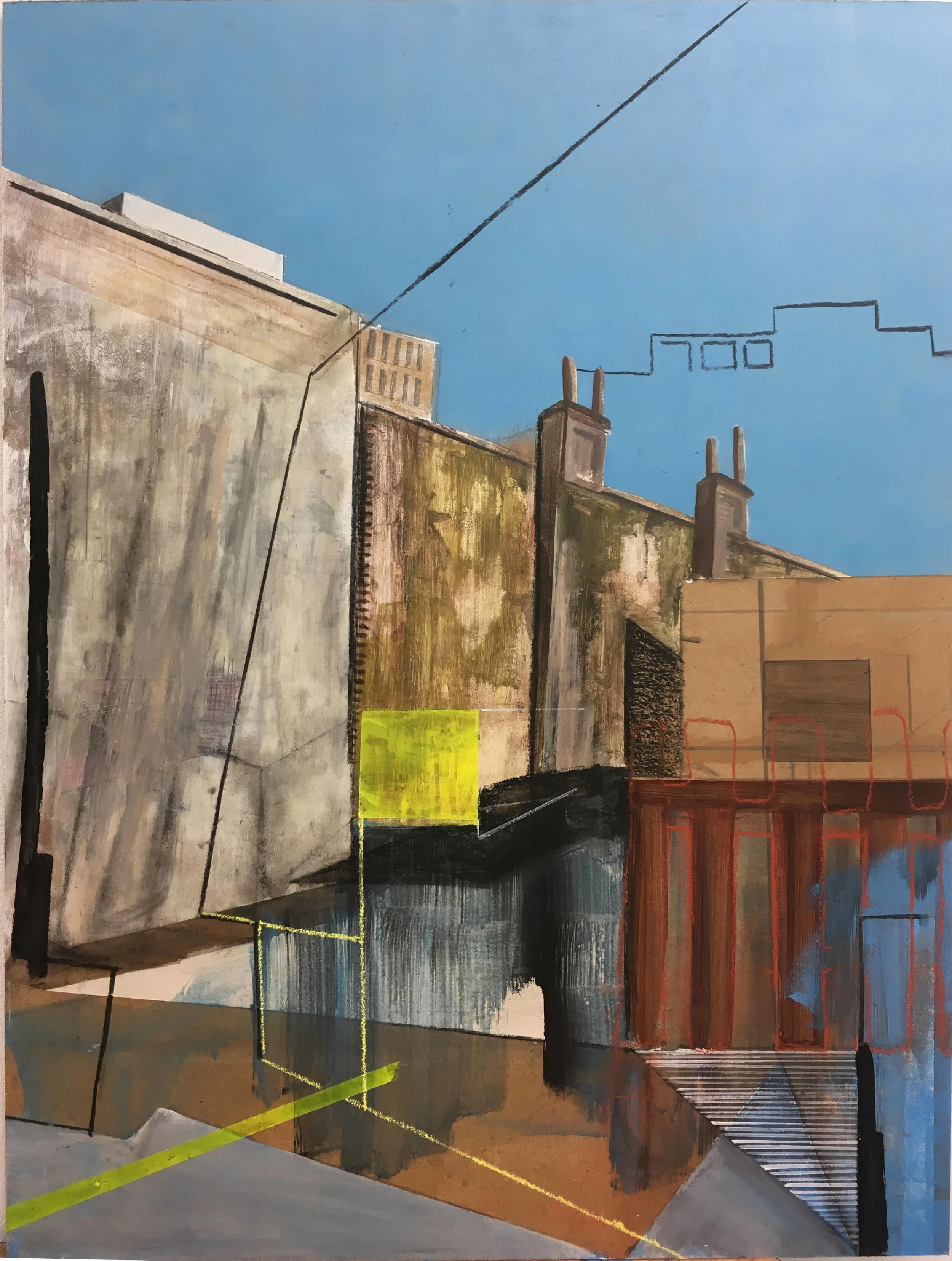
Local galleries, weekend art markets and independent print studios are useful sources for affordable pieces with a genuine sense of place. A small linocut from a Melbourne artist, a restrained coastal photograph from Western Australia or an abstract work inspired by the bush can make the display feel connected to its setting rather than styled from a catalogue.
Style For Scale And Everyday Living
The room’s furniture should determine how imposing the gallery wall feels. Above a low sofa, a denser arrangement can create intimacy. Above a high-backed armchair or substantial sideboard, leave more open space so the composition does not appear compressed. If the mantel is the only strong focal point, let the artwork provide a confident statement.
Children, pets and regular entertaining also influence frame choices. Secure larger pieces with suitable wall anchors, use shatter-resistant glazing where needed and avoid projecting objects above a busy walkway. In a compact apartment, shallow frames and a controlled palette will prevent the display from visually narrowing the room.
A gallery wall does not have to be permanent. Keep a few smaller works stored nearby and rotate them seasonally or when the room needs a refresh. This allows sentimental pieces, travel photographs and new discoveries to share the same display without overcrowding it.
Finish With Lighting And Care
Picture lights, wall washers and adjustable ceiling spots can transform artwork after sunset. Warm white bulbs around 2700K to 3000K generally flatter paintings and timber frames, while dimmable fittings make it easier to balance the glow of the fireplace with the rest of the room. Avoid placing a light so close that it creates hard reflections across glass.
Dust frames with a soft, dry cloth and check fixings every few months, particularly in homes exposed to coastal air. Do not spray cleaner directly onto glass or artwork. Instead, apply a small amount to a cloth and keep moisture away from frame joints and unsealed paper edges.
Step back regularly as you work. A gallery wall should look considered from the sofa, doorway and nearby dining area, not only from directly beneath the mantel. Once the spacing feels calm and the artwork relates naturally to the room, the fireplace will read as a complete, personal focal point.
Gather your favourite prints, measure the mantel and begin with a floor layout before making any holes. For further decorating ideas, subscribe to the Focus LDN email updates and keep building a home where collected artwork feels at home.