Mixing antique and modern frames for a curated gallery wall
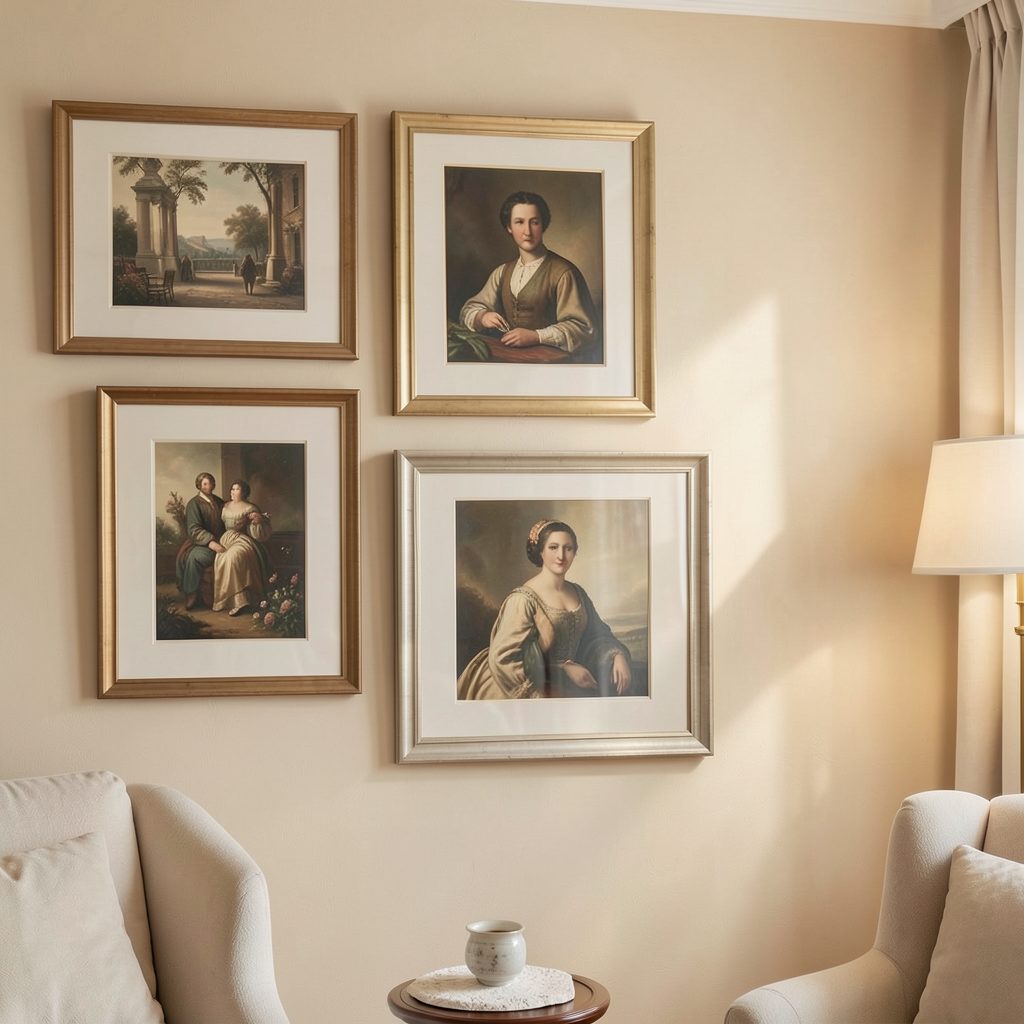
A gallery wall that pairs weathered antique frames with sleek modern profiles brings depth and storytelling into a home. The interplay of eras creates a rhythm that a single style cannot match, and it suits the way many Australians decorate apartments in cities like Sydney and Melbourne, where compact floor plans benefit from a single feature wall rather than scattered decor.
Mixing periods also reflects how Australians furnish their homes. Many renters move frequently between share houses and inner-city apartments, so building a collection over time feels organic. A frame picked up at a Camberwell market stall, a piece framed at a boutique in Surry Hills, and a sleek black profile bought online can sit harmoniously when arranged with intention.
The key is balance rather than chaos. Antique frames introduce ornamentation and warmth, while modern ones offer breathing room and a contemporary edge. Together they form a dialogue that feels curated, and the combination works particularly well in spaces where natural light shifts throughout the day, such as sun-facing living rooms in Brisbane or coastal apartments in Perth.
Hunting for antique frames across Australian markets
Weekend market trails are a reliable way to find character-rich frames. In Melbourne, the Sunday Camberwell Market and the South Melbourne Market host stalls with vintage gilt, baroque-inspired, and mid-century wooden frames. In Sydney, Paddy's Markets in Haymarket and the monthly Glebe Fair often have trays of pre-loved frames at modest prices. Op shops in Adelaide and Brisbane also turn up art deco and federation-era pieces that bring genuine history to a wall.
When browsing, look for solid construction, intact gilding, and original backing. A frame that has aged unevenly adds to its story, but deep cracks or missing mouldings are best avoided. The appeal of an antique lies in its patina, so resist the urge to repaint it in a uniform colour.
Many Australians source frames locally and then commission prints or photographs to fit, turning a weekend habit into a personal collection. If you are inspired by the idea of bringing collected pieces into your home, consider how an in-house gallery can evolve over time.
Selecting modern frames for visual rest
Modern frames act as a counterweight to ornate antiques. Slim oak profiles, thin black aluminium, and floating frames create negative space that allows an ornate neighbour to shine. Australian designers such as The Print Society and smaller studios on the Mornington Peninsula produce work that pairs beautifully with these understated profiles.
When choosing modern frames, decide on a consistent finish across two or three pieces to anchor the arrangement. Black, natural timber, or brushed brass each create a different mood. Black reads crisp and graphic, timber feels warm and organic, and brass nods to vintage detailing without overpowering an antique companion.
Sustainability is also shaping frame choices in Australia, with recycled aluminium and FSC-certified timbers increasingly stocked by retailers. Choosing responsibly made modern frames ensures the wall reflects both style and values.
Planning the layout and spacing
A salon-style hang, where frames sit close together with consistent gaps, suits eclectic mixes. A grid layout reads more contemporary but can feel rigid when combined with varied antique shapes. A popular compromise is a loose rectangular cluster with one or two modern frames acting as visual pauses.
Before hanging, trace each frame onto brown paper, label them, and arrange them on the floor. This allows you to test spacing without marking the wall. Aim for gaps of roughly 5 to 8 centimetres between frames, adjusting to keep the overall shape balanced.
| Feature | Antique frames | Modern frames |
|---|---|---|
| Visual weight | Heavy, ornate, draws the eye | Light, clean, recedes |
| Best role | Hero pieces, anchors | Visual rest, connectors |
| Colour range | Gilt, walnut, weathered whites | Black, oak, brass, white |
| Patina | Expected and valued | Kept minimal and crisp |
Spacing also depends on the room. In narrow inner-Sydney apartments, tighter clusters create intimacy, while larger federation homes in Melbourne's inner north can accommodate more generous breathing room.
Hanging on Australian wall types
Australian apartments built in the last twenty years typically use plasterboard, which requires specific anchors for heavier antique frames. Wallmates, hollow wall anchors, or picture rails are widely available at Bunnings and Mitre 10. For solid brick or double-brick construction common in heritage terraces in Paddington and Fitzroy, masonry plugs provide a secure hold.
Picture hanging hooks should match the frame weight. Antique frames holding glass can exceed three kilograms, so two hooks spaced evenly across the top rail prevent tilting. Use a spirit level and measure from the ceiling or a fixed point to keep the cluster aligned.
Lighting also influences placement. In homes with high ceilings and tall windows, hang frames at eye level, roughly 145 to 155 centimetres from the floor to the centre of the arrangement. In rooms with low ceilings, slightly lower placement keeps the wall feeling grounded.
Cohesive styling through colour and content
A mixed-frame wall holds together through colour rather than style. Choose two or three dominant tones across your artwork, such as warm ochres, deep greens, and crisp whites, and the mix of frames will feel intentional. Black and white photography in modern frames, paired with botanical illustrations in gilt, creates a timeless dialogue.
Rotate pieces seasonally if you collect prints from local makers. Many Australian printmakers, from Sydney's Paddington art trail to Melbourne's Brunswick studios, release limited editions that suit both slim modern and ornate antique frames. When collecting Indigenous artworks, sourcing through dealers who adhere to the Indigenous Art Code supports ethical practice and authentic provenance.
For bedrooms, the same approach works beautifully, and you can explore more about cosy bedroom styling to extend the look beyond the living area.
Common pitfalls and practical resources
Overcrowding is the most common pitfall. A wall covered edge to edge loses the charm of each piece. Leave generous margins so the eye can rest, particularly around statement antiques. Mixing too many finishes also fragments the arrangement; choose three finishes at most and repeat each across at least two frames.
Hanging too high is another frequent error. In Australian homes with higher ceilings, frames often sit above eye level, which makes a seated viewer feel disconnected. Aim for the centre of the arrangement to sit roughly 150 centimetres from the floor. Finally, avoid direct, unfiltered sunlight, as the intense Australian sun on north-facing walls can fade prints and damage antique gilding over time.
Before you start, a few essentials make the process smoother:
- Brown craft paper and tape for templates
- A spirit level and pencil
- Picture hooks rated for the frame weight
- Command strips or 3M hooks for lightweight modern frames
A handful of reliable Australian places help the search:
- Op shops in suburbs like Fitzroy, Newtown, or Fortitude Valley
- Camberwell, South Melbourne, and Glebe weekend markets
- Independent frame makers in Surry Hills and Collingwood
- Online platforms such as Gumtree and Marketplace for pre-loved pieces
Creating a wall that feels collected rather than coordinated takes time, but the process is rewarding. If you want to deepen your journey into collecting and displaying art at home, explore ways to start an art collection that grows with you. Subscribe to Focus LDN for more guidance on gallery walls, frame selection, and home styling inspiration delivered to your inbox.