Combining abstract and figurative art in one space
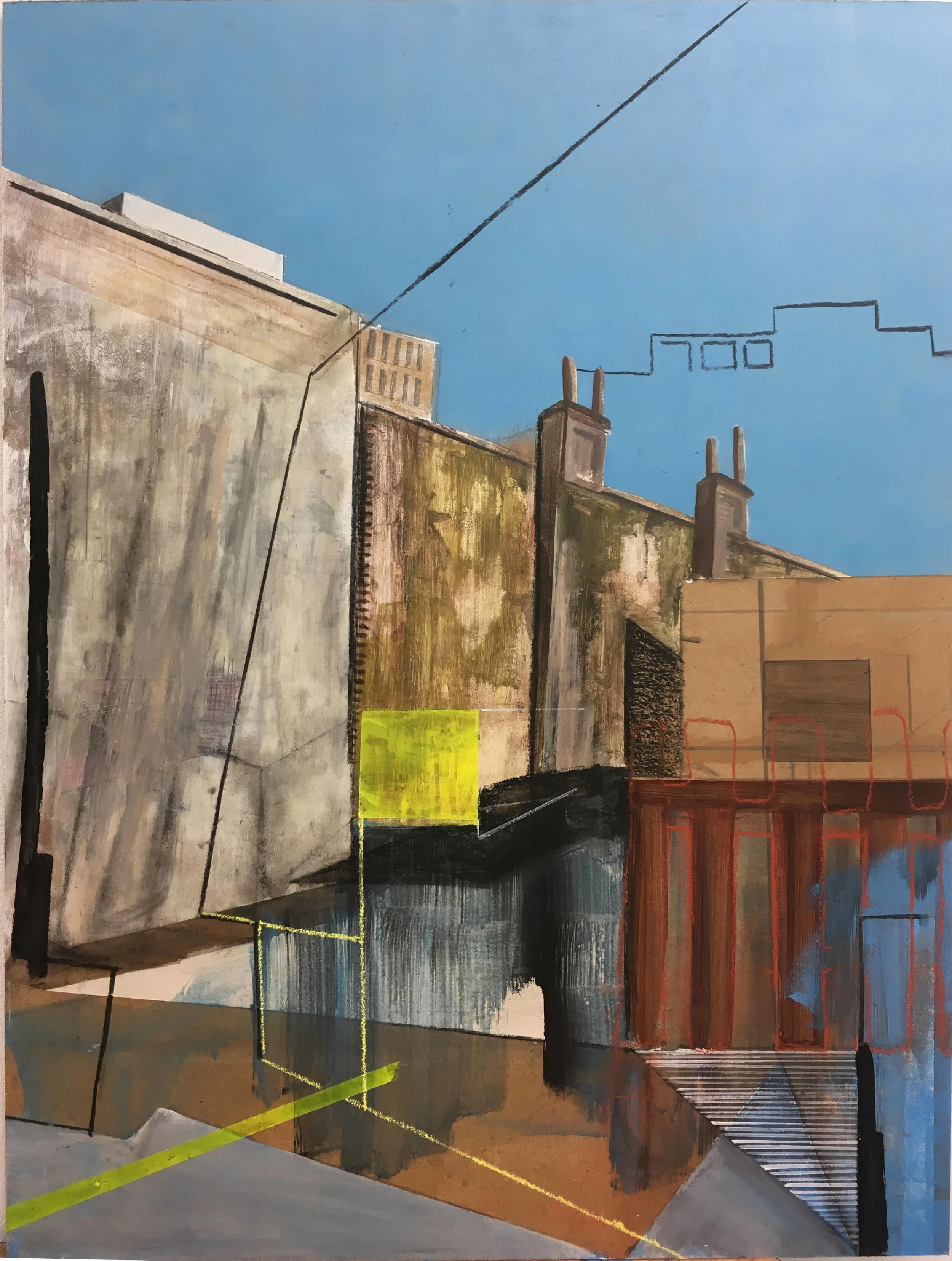
A room becomes more engaging when its artwork offers different ways to look, feel, and interpret. Abstract pieces bring colour, gesture, and visual rhythm, while figurative works add recognisable people, places, and stories. Together, they can create a layered collection with far more personality than a matching set.
The key is to build a relationship between the works rather than forcing them to look identical. Shared colour, a consistent frame finish, or a deliberate arrangement can connect paintings with very different subjects and styles. The result should feel collected, not crowded.
Whether you are refreshing a bedroom, styling a hallway, or planning a gallery wall above a console, a thoughtful mix of abstract and representational art can make the entire interior feel more considered.
Start with a visual anchor
Choose one artwork to lead the arrangement. This might be a large abstract canvas with a strong colour field or a figurative painting with an especially compelling subject. The anchor establishes the scale, mood, and visual direction for the remaining pieces.
Place the strongest work where it can be seen easily, then select supporting art that responds to it. A small portrait might echo the warm tones in an abstract painting, while a monochrome line drawing can give a vivid composition some breathing room.
The anchor does not have to be the largest piece. A modest artwork with a distinctive shape or emotional quality can hold attention when surrounded by quieter works.
Create connections through colour and texture
Colour is one of the simplest ways to unite contrasting artwork. Look for repeated tones rather than identical palettes: a muted blue in a landscape may relate to the blue marks in an abstract print, even if the rest of each piece feels entirely different.
Texture creates another useful bridge. Pair a heavily painted canvas with a smooth photographic print, or place a delicate pencil study beside a work with broad, expressive brushstrokes. Variation keeps the arrangement alive, while a few shared qualities prevent it from becoming visually disjointed.
If your collection needs an additional piece to complete the story, you can submit your artwork for consideration and explore ways to add a distinctive voice to your display.
Balance scale, spacing, and direction
A successful mixed-art arrangement depends on proportion. A large abstract work can overpower several small figurative pieces unless the surrounding art has enough visual weight. Conversely, placing many small works around one understated painting may make the central piece disappear.
Think about the direction of movement in each image. Figures looking inward can guide the eye towards the centre of a gallery wall, while diagonal abstract marks may create energy across the whole composition. Avoid positioning every work at the same visual intensity; quiet pieces are valuable pauses.
Leave enough space between frames for each artwork to register clearly. A compact grouping can feel intimate, but crowded edges make different styles compete rather than converse.
| Artwork pairing | What it contributes | Best supporting choice |
|---|---|---|
| Bold abstract canvas and small portrait | Energy with a human focal point | A restrained frame and generous spacing |
| Landscape painting and geometric print | Natural movement with structure | A shared accent colour |
| Figurative drawing and textured abstract | Delicacy balanced by depth | Similar paper or frame tones |
| Black-and-white photograph and colourful painting | Contrast and emphasis | Neutral walls and simple mounts |
Choose frames that calm the mix
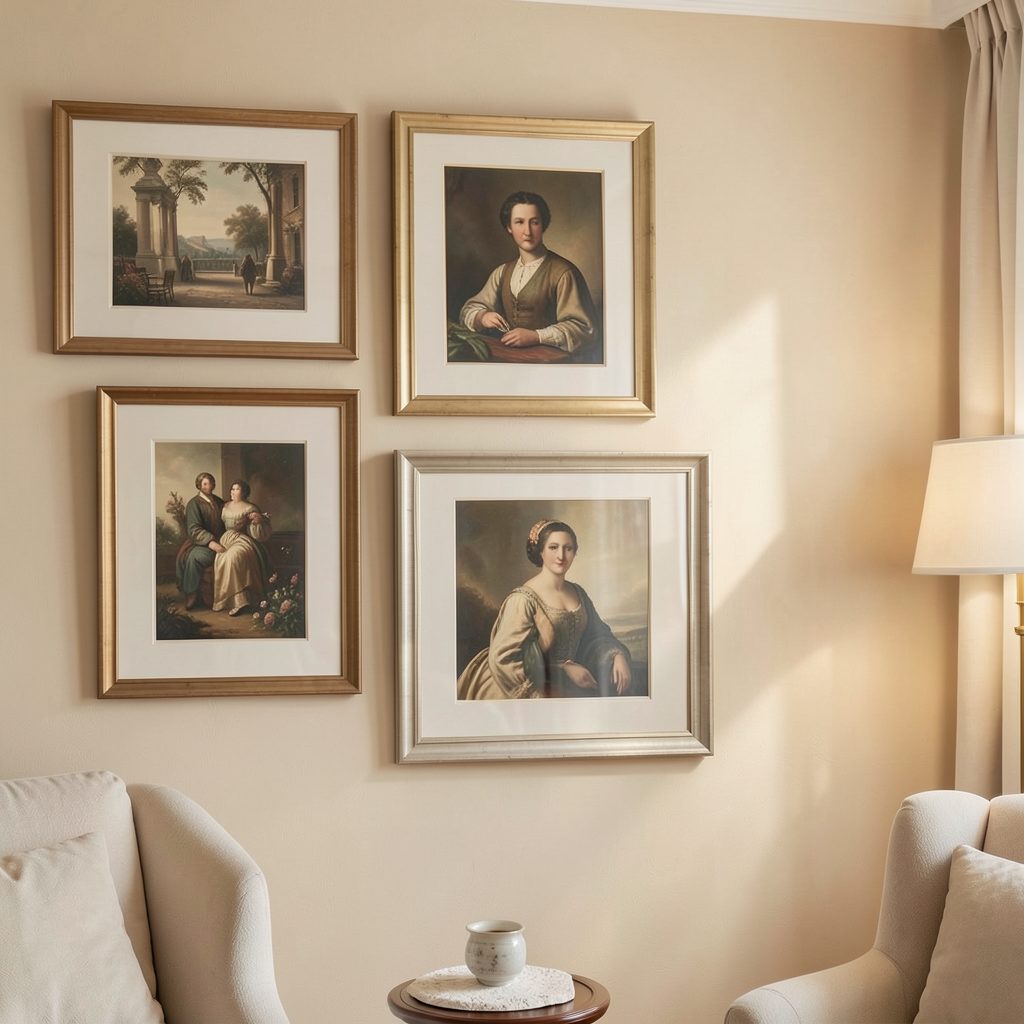
Frames should help the collection feel intentional without making every piece look uniform. A consistent wood tone can warm a group of varied works, while slim black frames offer a cleaner, gallery-inspired finish. When the artwork is highly expressive, understated framing usually gives it room to breathe.
You can also use framing to distinguish different types of art. A float mount may make a paper-based figurative work feel light and contemporary, while a deep canvas frame can give an abstract painting a stronger architectural presence. The difference is effective when the overall materials remain coordinated.
For a softer home, try natural oak, warm white mounts, and lightly textured finishes. In a more minimal interior, black, charcoal, or brushed metal can sharpen the contrast between painterly and photographic pieces.
Arrange the collection around the room
The wall is only part of the composition. Furniture, lighting, and nearby objects influence how the art is read. Above a sideboard or console, keep the lower edge of the grouping visually connected to the furniture without allowing the artwork to feel trapped by it.
A console display can reinforce the artwork’s palette through ceramics, books, or a sculptural lamp. For practical guidance on combining these elements, use this guide to style a console table beneath a gallery wall.
In bedrooms, a quieter figurative work beside a restrained abstract piece can create a reflective atmosphere. In bathrooms or narrow hallways, smaller prints and drawings may work better than deep canvases, especially where moisture, circulation, and limited viewing distance affect the display.
Refine the final composition
Before drilling into the wall, place the works on the floor or cut paper templates to their frame sizes. Test several arrangements, checking the gaps, centre line, and relationship between portrait orientation and landscape orientation. Photograph each version so you can compare the overall rhythm from a distance.
Aim for an arrangement that includes contrast and rest. A vivid abstract painting may need a calm neighbouring image, while a group of realistic scenes can benefit from a more experimental print. The strongest combinations usually allow each work to retain its own identity.
Use these practical checks before fixing the display:
- Repeat two or three colours across the collection without matching every piece.
- Keep the frame finishes coordinated, even when their profiles differ.
- Vary artwork scale while maintaining a clear outer shape for the grouping.
- Position faces and figures so they lead the eye into, rather than out of, the arrangement.
- View the wall from the room’s main seating and walking positions.
A mixed collection should feel personal first and perfectly styled second. Let the artworks reflect different periods, moods, and perspectives, then use spacing, framing, and colour to give them a shared visual language. Browse your walls with fresh attention, select the pieces that deserve to live together, and begin building a display that makes the room feel distinctly yours.