Art for a velvet sofa and brass accents
A velvet sofa brings richness and texture to a room, while brass accessories add warmth and a slight shine. Choosing art for a room with a velvet sofa and brass accents works best when the artwork shares a colour cue while still providing contrast. The aim is a room that feels layered and resolved, rather than one where every object appears to have been purchased as part of the same set.
Before selecting a piece, consider the sofa’s tone, the finish of the brass and the colour of the walls. Australian daylight also deserves attention. Strong western sun in a Sydney living room can reveal subtle colours quickly, while Melbourne’s cooler, changeable light may make warmer shades look softer. Always view artwork in the room at several times of day.
Begin with the room's palette
Look for two or three colours that recur around the room, then use them as a guide. Emerald, sapphire, oxblood, rust and warm cream all pair well with brass, but the sofa’s exact colour should determine how boldly they appear. A deep green sofa might support a mostly neutral artwork with one concentrated area of green, while a blush or caramel sofa can handle navy, black or botanical reds.
The finish of the brass matters too. Polished brass suits crisp contrasts, clean lines and dark tones. Antiqued or brushed brass pairs comfortably with earthy colours, vintage photographs and irregular textures. Velvet absorbs light rather than reflecting it, so artwork with luminous colour or fine detail can become the visual counterpoint. Avoid matching every element exactly; repeated colours should feel connected, not predictable.
Give the artwork enough visual weight
A small picture above a broad sofa often looks undersized. As a starting point, choose a combined artwork width of around two-thirds to three-quarters of the sofa, then adjust for the room’s ceiling height and the placement of other furniture. A single large print can be effective, as can a tight arrangement of smaller works that forms one strong rectangular shape.
Leave enough space between the artwork and the sofa to preserve the silhouette of the upholstery. Roughly 15 to 25 centimetres above the back is usually comfortable. If you own an oversized sectional, consider the full width of the room rather than applying a single artwork to only one section. Visual weight is more useful than rigid measurements.
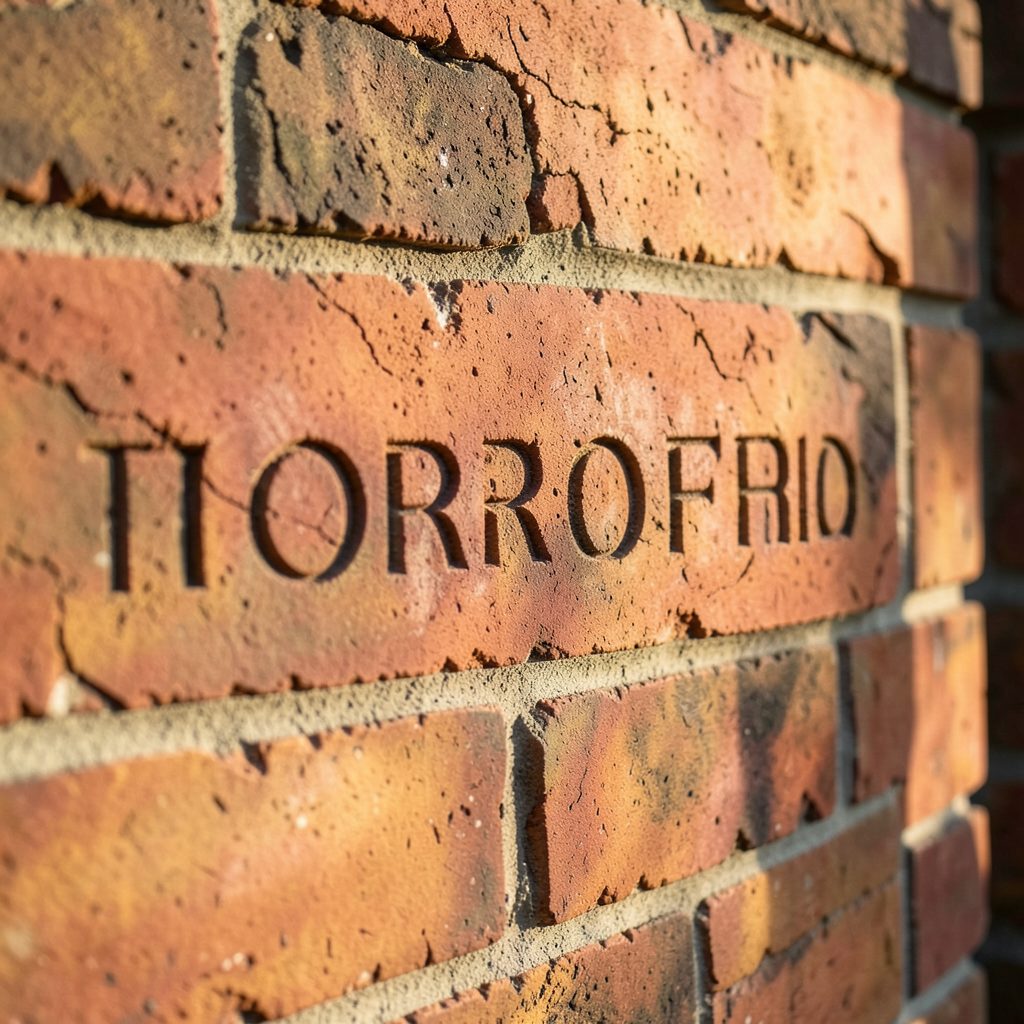
Brick can make positioning trickier. Many Australian terrace homes in inner-city Melbourne and Sydney feature exposed brick, patterned render or dark timber. These surfaces have character but can compete with detailed art. A larger composition or a print with generous negative space will usually fare better than many small, busy pieces. If the brick is already the feature, a tonal work such as brick engraving can echo its pattern without making the room feel themed.
Select a style with contrast
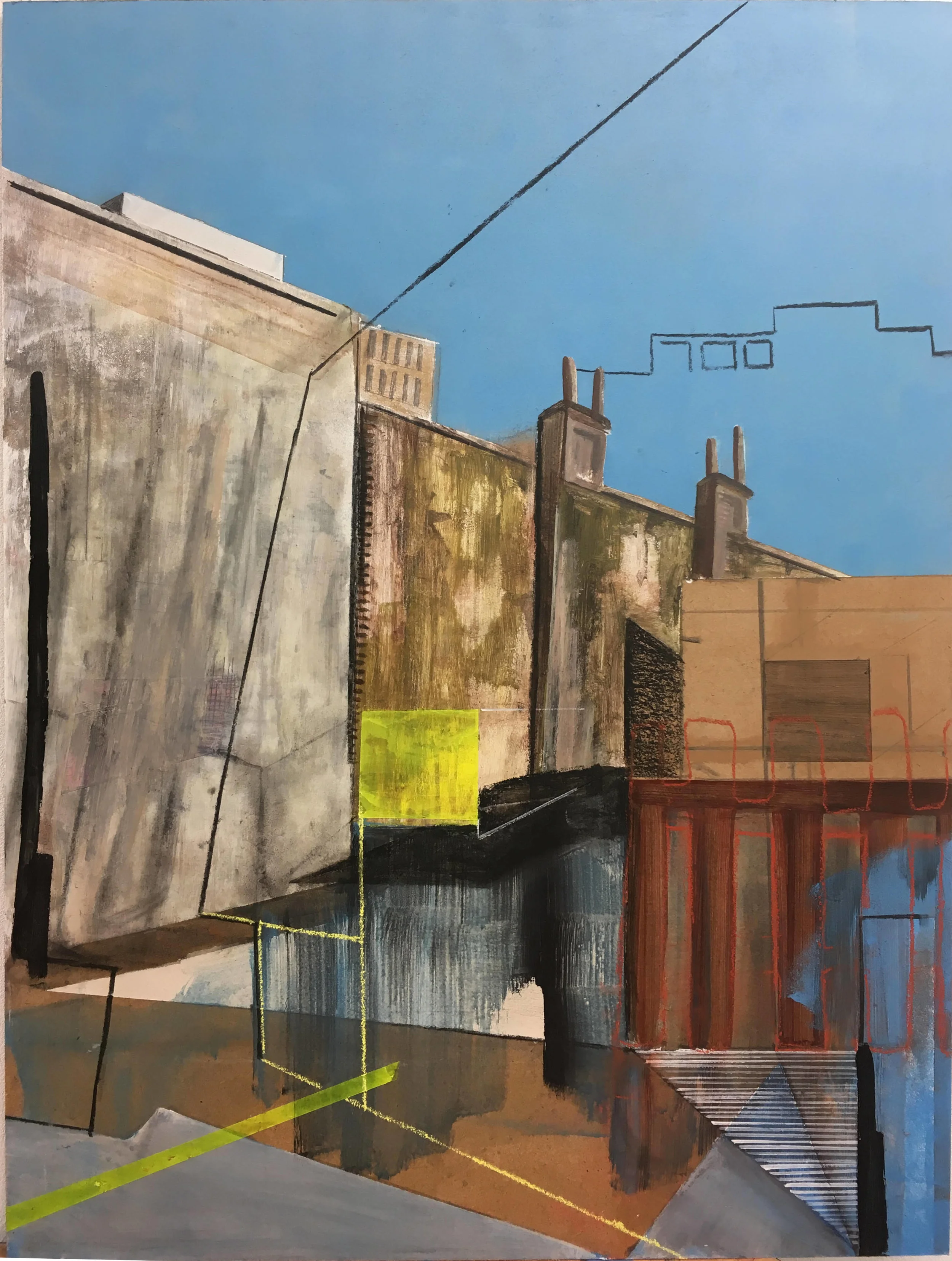
Begin with the atmosphere you want beyond the sofa. Abstract colour fields can echo the tonal depth of velvet, while botanical studies complement brass table lamps and ceramics. Black-and-white photography adds graphic clarity to a richly coloured room, and expressive portraits can give a symmetrical arrangement more personality.
Scale back the intricacy when the surrounding furnishings are already detailed. A velvet sofa with buttoning, a patterned rug and layered curtains may need calmer artwork, such as a broad wash of colour, a simple line drawing or a single centred subject. In a pared-back room, a more intricate piece can provide the needed focal point without making the scheme feel unfinished.
Notice the balance of positive and empty space in each composition. Soft-edged abstracts balance hard brass finishes, while sharply cropped photography offsets plush upholstery. The best choice does not need to mention the sofa directly; it only needs to hold its own beside it and improve the room’s sense of proportion.
Frame the work for longevity
Walnut frames create a warm transition between brass and neutral walls, while black frames give a clean outline around pale or colourful work. A narrow brass frame can work beautifully, but keep it subtle when the room already contains several shiny objects. Deep mounts add visual space and often make a modest-sized print feel more substantial on a large wall.
Australian framers commonly work with A-series paper and sizes such as 300 by 400 millimetres, 400 by 600 millimetres and 500 by 700 millimetres. These standard formats can be affordable, although the frame’s width and matting have just as much influence on the final scale. For original work or limited-edition prints, ask about acid-free mounts and conservation-quality glazing rather than relying on standard glass.
Hanging conditions are especially important in Australia. Sydney homes may need UV-filtering glazing to reduce fading, while Brisbane’s humidity can affect paper, glazes and some frame finishes. Avoid a damp exterior wall or a position exposed to persistent direct sun. Use wall anchors suited to masonry or plasterboard, and allow the framed work to acclimatise indoors before hanging.
Arrange a growing collection
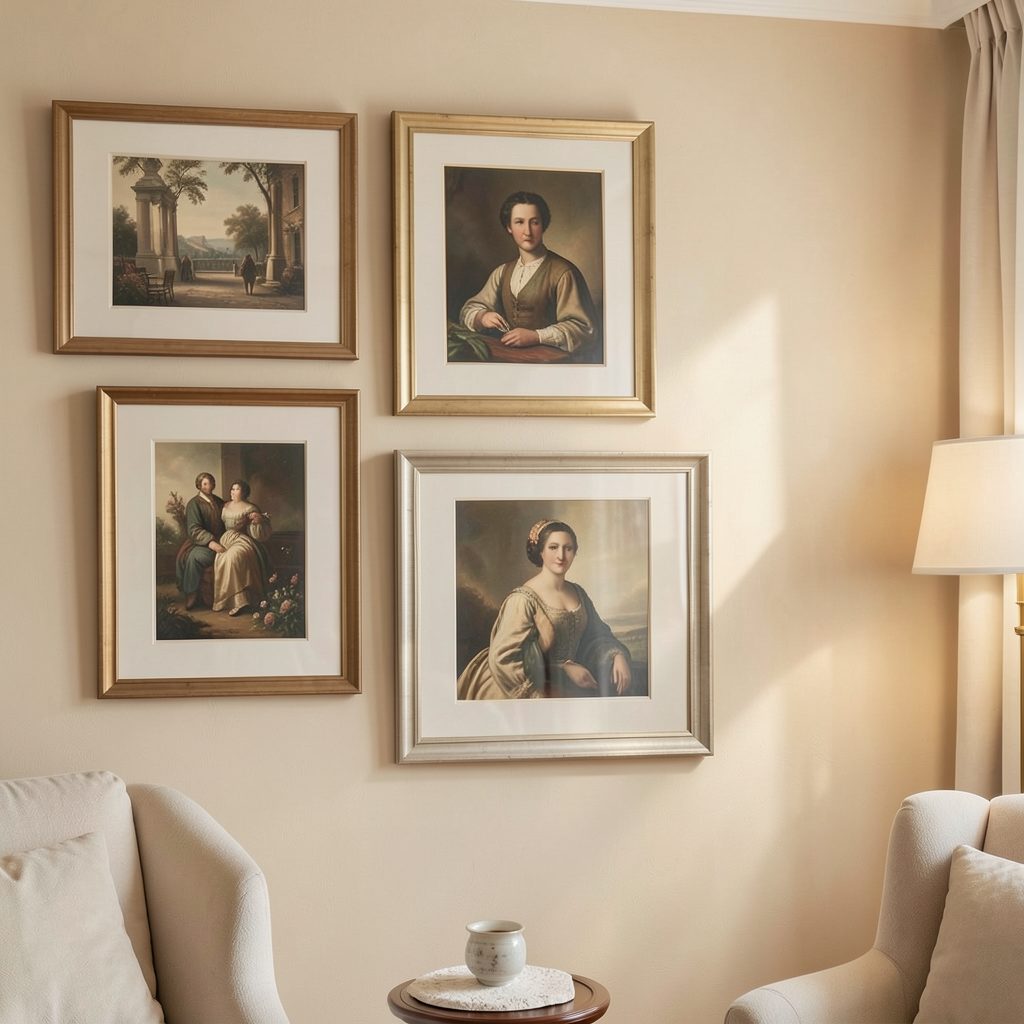
A salon-style wall works well when you want the sofa area to feel collected rather than fixed around one picture. Mix scales, include a dominant piece and keep either the frames or backgrounds related so the arrangement retains structure. Many Aussies call this a salon wall, although it can look just as polished above a sofa as it does in a dining room.
The display should feel like an in-house gallery, with enough breathing room to reveal each work. Start with the largest piece, place smaller works around it and step back before making minor adjustments. Leave room to add another artwork without rebuilding the whole arrangement each time.
Buying locally also gives you useful access to the Australian art market. Paddington in Sydney, Collingwood in Melbourne and Fortitude Valley in Brisbane all have galleries where collectors can inspect frames, discuss limited editions and compare original work with prints. Keep measurements, wall colour and sofa dimensions in your phone, and check the available space before bringing a piece home.
Subscribe to Focus LDN for thoughtful gallery-wall ideas, practical framing guidance and fresh home-decor inspiration delivered to your inbox.