Best Places to Find Limited Edition Prints Online
Limited edition prints offer a practical way to bring original art into an apartment without the price or scale of a one-off painting. Because each edition has a defined quantity, the work can feel more considered than a mass-produced poster while remaining accessible to different budgets.
The best places to find limited edition prints online range from artist-run shops and established galleries to curated art marketplaces and specialist print studios. Each source has a different approach to pricing, authenticity, framing, and delivery, so knowing what to look for helps you buy with confidence.
A strong print should work as an artwork in its own right and as part of the room around it. Consider the colours already present in your space, the amount of wall available, and whether you want one statement piece or a layered gallery wall.
Artist-run shops for a personal connection
Buying directly from an artist is often the most rewarding route. Independent illustrators, photographers, painters, and printmakers frequently sell numbered editions through their own websites, giving buyers a clearer sense of the creative process. Product pages may include the edition size, printing method, paper stock, signature details, and the story behind the image.
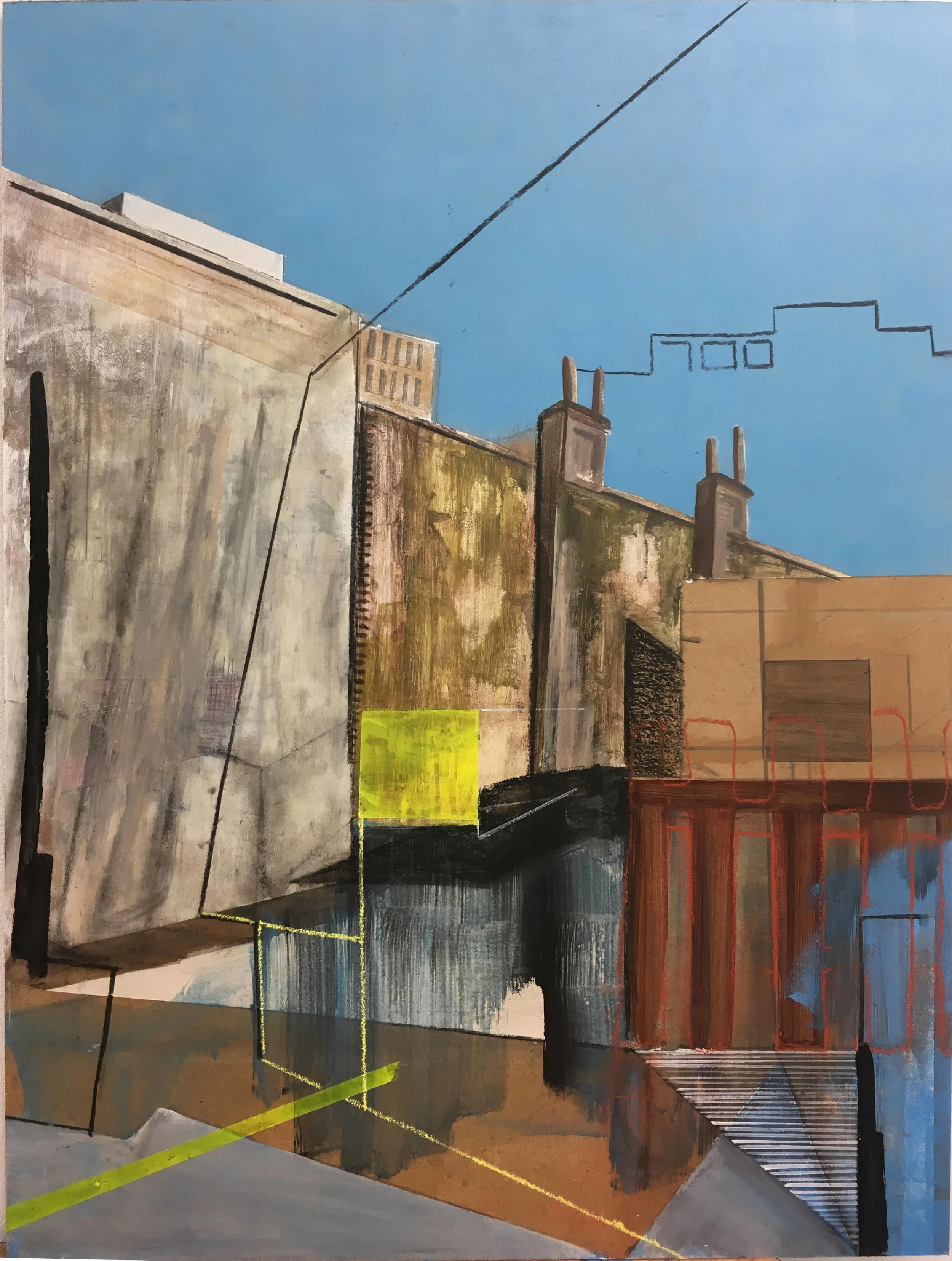
Artist-run shops are especially useful when you have a particular visual language in mind. You can find monochrome photography, expressive abstract prints, botanical studies, architectural images, and graphic artwork without navigating a large catalogue of unrelated styles. Many artists also release small seasonal editions, making their mailing lists worthwhile for collectors who want early access.
Before purchasing, check whether the edition is open or limited, since the distinction affects rarity. A numbered edition of 25 is generally more exclusive than one of 250, although the artist’s reputation, technique, and demand also influence long-term value.
Online galleries and curated art platforms
Established online galleries provide a more edited shopping experience. Their collections are usually organised by medium, artist, subject, colour, or price, which makes it easier to compare works that suit a particular interior. Many also provide certificates of authenticity, detailed biographies, and professional guidance on framing and installation.
Curated platforms can be a useful middle ground between a direct artist shop and a large marketplace. They often represent emerging and established artists, while their editorial selection helps avoid the visual clutter found on general shopping sites. Look for clear information about edition numbers, paper quality, shipping protection, and returns.
Gallery websites are also a good place to discover photographic prints and contemporary art editions. When a work is produced through a reputable printer or gallery, the listing is more likely to explain whether it uses archival pigment inks, screen printing, lithography, or another process designed for longevity.
Specialist print studios and photography archives
Specialist print studios appeal to buyers who care about technique. Some focus on fine art photography, while others produce screen prints, risograph editions, letterpress work, or archival giclée prints. The printing method affects texture, colour depth, durability, and price, so it is worth reading beyond the artwork title.
Photography archives can offer signed images from respected photographers, including city scenes, fashion studies, interiors, and documentary work. These prints often come with precise edition information and may be available in several sizes. A smaller format can suit a bedside table or narrow hallway, while a large photographic print can anchor a living room wall.
| Online source | Best for | What to check | Typical presentation |
|---|---|---|---|
| Artist-run shop | Original style and direct support | Edition size, signature, paper, dispatch time | Unframed or made-to-order |
| Curated online gallery | Reliable selection and provenance | Certificate, artist details, returns | Framed and unframed options |
| Specialist print studio | High-quality techniques | Ink, paper, production method | Archival packaging |
| Photography archive | Recognised photographers | Edition number and image rights | Several size choices |
| Contemporary marketplace | Wide variety and price points | Seller reviews and authenticity | Often unframed |
For a room that mixes art with everyday objects, consider how the print will live with furniture and shelving. Focus LDN’s guide to displaying art on open shelving offers useful ideas for combining smaller editions with ceramics, books, and collected pieces.
Marketplaces with broad visual variety
Large art marketplaces make it simple to search by colour, room, subject, and price. They can be particularly useful when you are decorating several rooms or trying to find complementary works for a gallery wall. Search terms such as “limited edition botanical print,” “signed abstract edition,” or “black and white photography print” can narrow the results quickly.
The trade-off is that quality and authenticity vary between sellers. Read the full description rather than relying on the product photograph. Confirm the exact dimensions of the paper, whether the frame is included, how the work is packaged, and whether the seller identifies the edition number.
Pay attention to photographs showing the artwork in a room. These can help with scale, but styling images may use enlarged mock-ups or frames that are not included in the price. A print that looks substantial online may be quite small, so compare its measurements with a sheet of paper or a section of your wall before ordering.
Print fairs, gallery openings, and emerging artists
Although the purchase takes place online, print fairs and gallery openings can lead you to artists with strong edition practices. Galleries often share participating artists through online previews, while independent makers use social media to announce new releases and studio sales. Following these sources can help you find work before it becomes widely distributed.
Emerging artists may offer especially distinctive prints at approachable prices. Look for evidence of a consistent practice, thoughtful production details, and transparent information about the run. An artist does not need to be famous for a print to be beautifully made or meaningful in your home.
If you create artwork yourself, you can also explore submitting art to Focus LDN and become part of a wider conversation around contemporary display, collecting, and home interiors. Discovering artists through editorial platforms can add a more personal dimension to online art shopping.
How to choose a print that will last
Archival paper and pigment-based inks are useful indicators of longevity, particularly for artwork that will hang in a bright room. Ask whether the paper is acid-free, whether the inks are fade-resistant, and whether the artist recommends glazing with UV-protective glass. These details matter more than a fashionable product photograph.
Framing should be considered before you buy. A simple oak frame can warm up a minimal room, while black or white frames create a sharper gallery effect. If your walls are white, the guide to frame colours for white walls can help you choose between contrast, softness, and a more tonal arrangement.
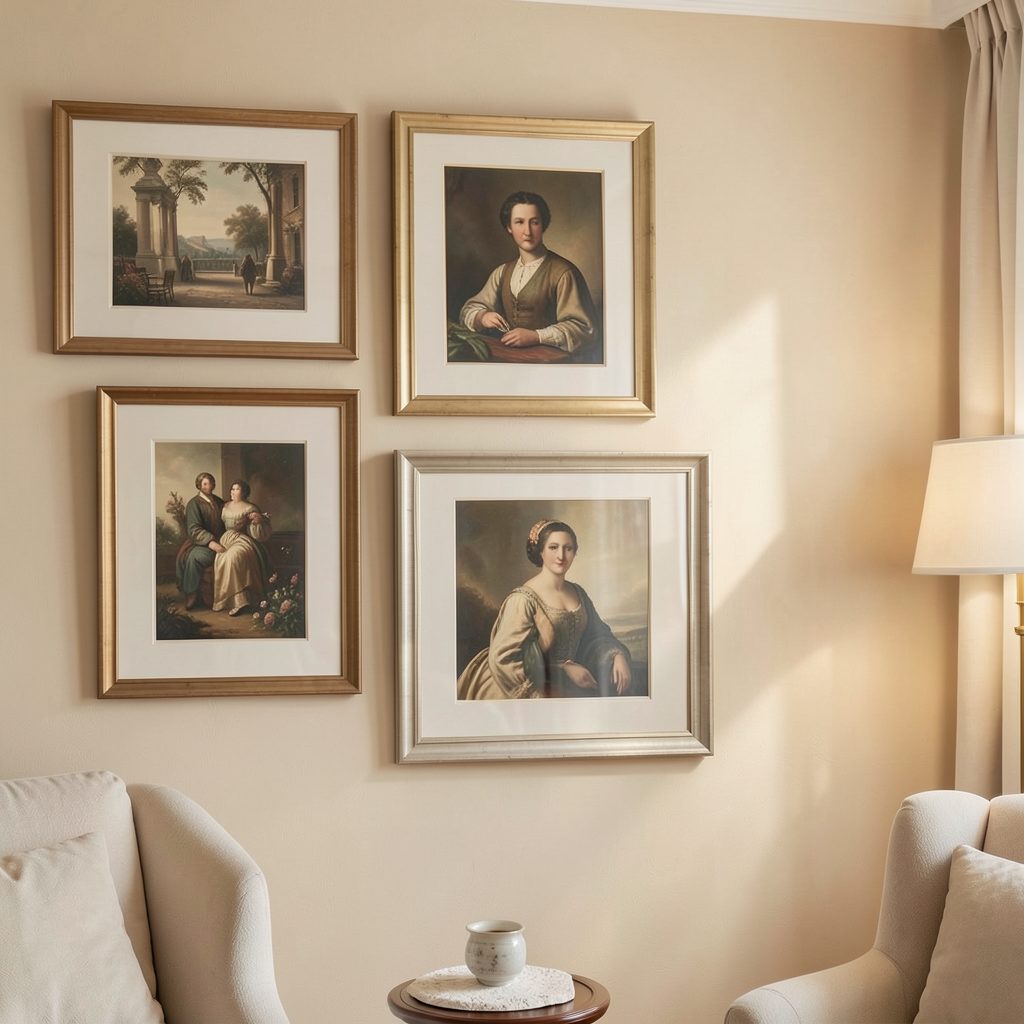
Measure the wall, mark out the intended size with masking tape, and think about viewing distance. For a gallery wall, keep the spacing consistent and let one limited edition act as the visual anchor. For a single print, allow enough surrounding space for the artwork to feel deliberate rather than crowded.
Smart buying habits for an artful home
A considered purchase usually begins with research rather than impulse. Save several works, compare their dimensions, and review the seller’s policies before deciding. If an edition is nearly sold out, make sure urgency is not replacing a genuine connection with the image.
Use these checks before placing an order:
- Confirm the edition size and whether the print is signed or numbered.
- Check the paper dimensions separately from the framed dimensions.
- Look for archival materials, production details, and a certificate where appropriate.
- Review packaging, insurance, delivery times, and return conditions.
- Choose a frame and mounting style that suit both the artwork and its future location.
The right print can give a room a sense of identity without overwhelming it. Whether you choose a quiet photographic edition for the bedroom, a colourful screen print for the kitchen, or a small series for a hallway, buy from a source that values clear information and careful production. Browse independent artists, galleries, and specialist studios, then choose one piece that makes your space feel distinctly yours.