Frames That Stay Beautiful in a Bathroom
A bathroom can be an excellent setting for artwork, especially when its finishes are calm, architectural, and carefully edited. Yet the room’s regular changes in humidity create conditions that are far more demanding than those in a living room or hallway. Steam, condensation, splashes, cleaning products, and temperature shifts can gradually damage both the frame and the artwork inside it.
The most durable bathroom frame materials resist swelling, corrosion, discoloration, and mould. They also support practical glazing, sealed backing, and secure wall mounting. Choosing a frame is therefore less about appearance alone and more about how every component will behave over several years.
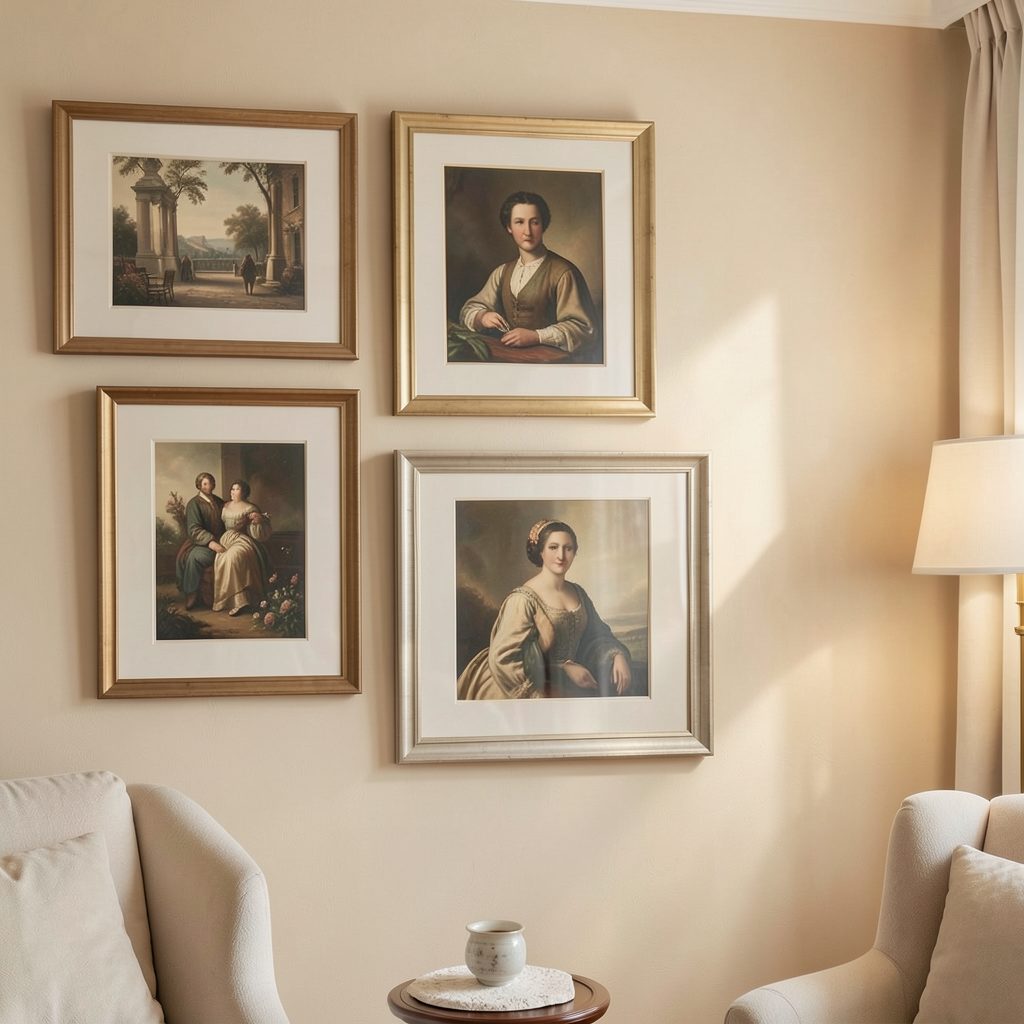
A successful bathroom display should still feel connected to the rest of the home. Soft neutrals, stone-inspired shades, and restrained artwork can create a gallery-like atmosphere; ideas from home gallery colors can help establish that visual link without making the room feel overly decorated.
Why Bathroom Humidity Matters
Moisture in the air can move into porous frame materials and cause them to expand, contract, or soften. Repeated cycles are particularly damaging because a frame may appear perfectly sound after one steamy shower but deteriorate after months of exposure. Bathrooms with poor ventilation, enclosed shower areas, or frequent baths need especially careful material selection.
Water is not the only concern. Aerosol products, acidic cleaners, and mineral deposits can leave a film on frame surfaces. If moisture becomes trapped behind the artwork, it may encourage mildew or cause paper to ripple. A durable frame should therefore work as part of a protective system that includes suitable glazing and a well-sealed back.
How Common Materials Compare
Wood remains popular because it brings warmth and visual depth to a bathroom. However, untreated solid wood can absorb moisture, while some veneers may lift or bubble at their edges. Wood can still be suitable when it has a robust lacquer, polyurethane, or marine-grade finish and is kept away from direct spray.
Metal and engineered materials tend to offer more consistent performance in humid spaces. Powder-coated aluminum is particularly reliable because it is lightweight, stable, and available in understated finishes. PVC and composite frames can also resist water effectively, although their quality varies considerably between manufacturers.
| Frame material | Humidity resistance | Main advantage | Potential concern |
|---|---|---|---|
| Powder-coated aluminum | Excellent | Lightweight and corrosion-resistant | Can feel visually cool |
| Stainless steel | Excellent | Strong and easy to clean | Higher cost and visible fingerprints |
| Sealed hardwood | Good | Warm, substantial appearance | Finish may wear or crack |
| Quality PVC or composite | Very good | Affordable and moisture-resistant | Some finishes look less refined |
| MDF or untreated wood | Poor | Low initial cost | Swelling, mould, and edge damage |
The Case For Aluminum And Steel
Powder-coated aluminum is one of the strongest choices for long-term bathroom use. Its surface coating creates a barrier against moisture, while the material itself does not swell like timber. It is also light enough for tiled walls, provided the hanging hardware is appropriate for the tile, grout, or underlying wall structure.
Stainless steel offers exceptional strength and a polished, contemporary character. Brushed finishes are often more practical than mirror-polished ones because they disguise water marks and fingerprints. In a minimalist bathroom, slim black aluminum or brushed steel can echo taps, shower fittings, and cabinet hardware to create a deliberate visual rhythm.
When Sealed Wood Can Work
A timber frame can soften a bathroom dominated by porcelain, glass, and stone. Oak, ash, walnut, and painted wood all bring texture, but the protective finish matters more than the species. Look for sealed faces, coated edges, and corners that do not expose unfinished end grain.
Keep wooden frames in a well-ventilated area rather than directly beside a shower or bath. A bathroom with an extractor fan and a clear splash zone gives wood a much better chance of staying stable. If you enjoy the social side of art and design, the polished atmosphere of gallery opening attire can also inspire a more considered combination of frame finish, artwork, and room styling.
Acrylic And Composite Alternatives
Acrylic frames are useful where impact resistance and low weight are priorities. They will not rust, and they can provide a clean, almost frameless appearance. However, acrylic can scratch more easily than glass and may develop a cloudy look if cleaned with abrasive products or unsuitable chemicals.
Composite frames made from PVC, resin, or sealed fiber materials can be excellent for budget-conscious projects. Choose products with smooth, sealed surfaces rather than porous profiles with exposed cut edges. A high-quality composite frame should feel rigid, have clean joins, and use hardware that will not corrode inside the frame.
Glazing And Backing Complete The Design
Even the most durable frame can fail if the artwork is poorly protected. Moisture-resistant glazing, such as acrylic or specially coated glass, reduces the chance of condensation reaching the print. Acrylic is safer in busy family bathrooms because it is less likely to shatter, while glass may offer a clearer, more scratch-resistant surface.
The backing should fit tightly and ideally include a sealed or moisture-resistant barrier. Avoid hanging valuable original works, unprotected photographs, or delicate paper directly in a damp room. For a relaxed decorative effect, displaying art without frames can be appealing elsewhere in the home, but bathroom artwork generally benefits from more protection than an open, casual arrangement provides.
Practical Choices For A Lasting Display
Before buying a frame, assess the room’s ventilation, the artwork’s value, and its distance from possible splashes. A small powder room may accommodate sealed wood, while a frequently steamed ensuite is better suited to aluminum, steel, or high-grade composite.
Use these guidelines when narrowing the options:
- Choose powder-coated aluminum or stainless steel for the highest moisture resistance.
- Select sealed wood only when the finish covers the edges, joins, and backing.
- Prefer acrylic glazing in family bathrooms or areas where breakage is a concern.
- Avoid untreated timber, standard MDF, and unsealed paper-backed frames.
- Match wall fixings to tile, plasterboard, or masonry rather than relying on adhesive alone.
A frame should sit several inches away from the shower’s direct spray whenever possible. Small rubber bumpers or spacers behind the frame can improve airflow and reduce contact with a damp wall. Inspect the corners and backing occasionally, especially if the room develops condensation or a musty smell.
Cleaning And Maintenance
Regular gentle cleaning extends the life of bathroom frames. Wipe metal, acrylic, or sealed wood with a soft, slightly damp cloth, then dry the surface immediately. Avoid bleach, abrasive creams, ammonia-heavy sprays, and excess water around the joins.
Ventilation is the simplest long-term protection. Run the extractor during a shower and for several minutes afterward, keep the door open when practical, and remove visible condensation from nearby surfaces. If a frame begins to warp, rust, smell musty, or show moisture behind the glazing, remove the artwork and address the source before reinstalling it.
Choose a frame that complements your bathroom’s finishes while respecting the room’s moisture levels. A well-sealed aluminum, steel, or composite design can preserve both artwork and style for years, turning a practical space into a composed part of your home gallery. Explore more decorating ideas through Focus LDN and subscribe for thoughtful guidance on artwork, interiors, and stylish everyday living.