Best art subjects for a masculine-inspired home office or den
A masculine-inspired home office or den works best when it feels collected rather than themed. The strongest rooms combine confident colour, tactile materials and artwork with a clear point of view, while leaving enough visual space for reading, working or unwinding. Art subjects can set that tone before furniture and accessories are even considered.
The best art subjects for a masculine-inspired home office or den are not limited to cars, hunting scenes or dark abstract paintings. Architectural studies, Australian landscapes, expressive portraits, still life and restrained graphic works can all feel sophisticated when their scale, framing and palette suit the room.
Choose a visual language with staying power
Black-and-white photography is a dependable choice for a study or home office. Consider city streets, brutalist buildings, industrial details, vintage machinery or close-up studies of hands and tools. These subjects bring structure and texture without competing with bookshelves, a desk lamp or a busy work surface.
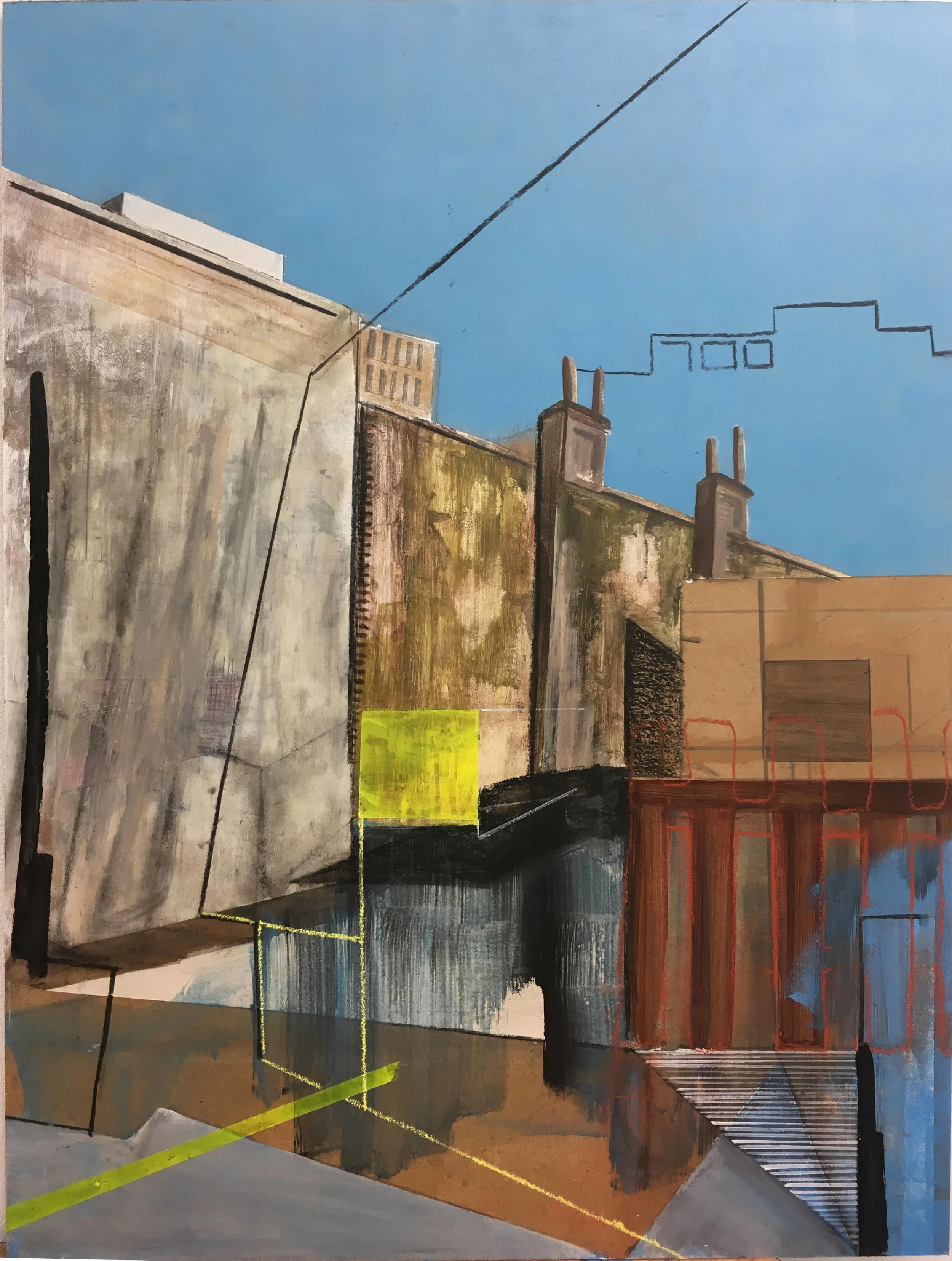
Abstract art can create a more contemporary mood. Look for blocks of charcoal, rust, olive, ochre, ink blue and warm white rather than relying on plain black. Geometric compositions feel ordered, while gestural marks add energy to a room with clean-lined joinery. A large canvas over a desk can act as an anchor; smaller works are better grouped in a gallery wall.
Bring Australian landscapes indoors
Australian landscape art offers plenty of depth for a den, particularly when it avoids overly literal beach imagery. Dried riverbeds, salt lakes, gum trees, red earth, rock formations and distant ranges can introduce colour and atmosphere while keeping the scheme grounded in local surroundings. A photograph of the Flinders Ranges or a painterly view of the Kimberley can feel quietly dramatic in a Brisbane or Adelaide home.
Australia’s strong light affects how artwork reads throughout the day. In Sydney, Melbourne and Perth, direct sun can shift the appearance of a print and fade unprotected works near a window. UV-filtering glazing is worth considering, especially for photography and works on paper. A muted landscape can also soften the hard contrast created by roller blinds, polished concrete and bright Australian daylight.
For a room with timber, leather and wool, choose landscapes with earthy neutrals and weathered greens. If the office already includes navy cabinetry or deep red upholstery, a pale desert study can provide balance. For more ideas about atmosphere and layering, this cozy office guide can help connect artwork with lighting and furnishings.
Explore architecture, maps and engineered forms
Architectural artwork suits a masculine-inspired interior because it echoes the room’s practical purpose. Blueprint-style drawings, façade studies, floor plans and photographs of bridges can add rhythm without appearing decorative for its own sake. Sydney Harbour Bridge, Melbourne’s laneways, Canberra’s civic buildings and old warehouse façades in Adelaide offer strong local references.
Maps are another effective subject, particularly when presented as art rather than tourist memorabilia. A vintage map of Australia, a coastal chart or a simplified street map of a meaningful city can give a study a sense of place. Choose a restrained design with generous margins, then pair it with a slim black, walnut or dark bronze frame.
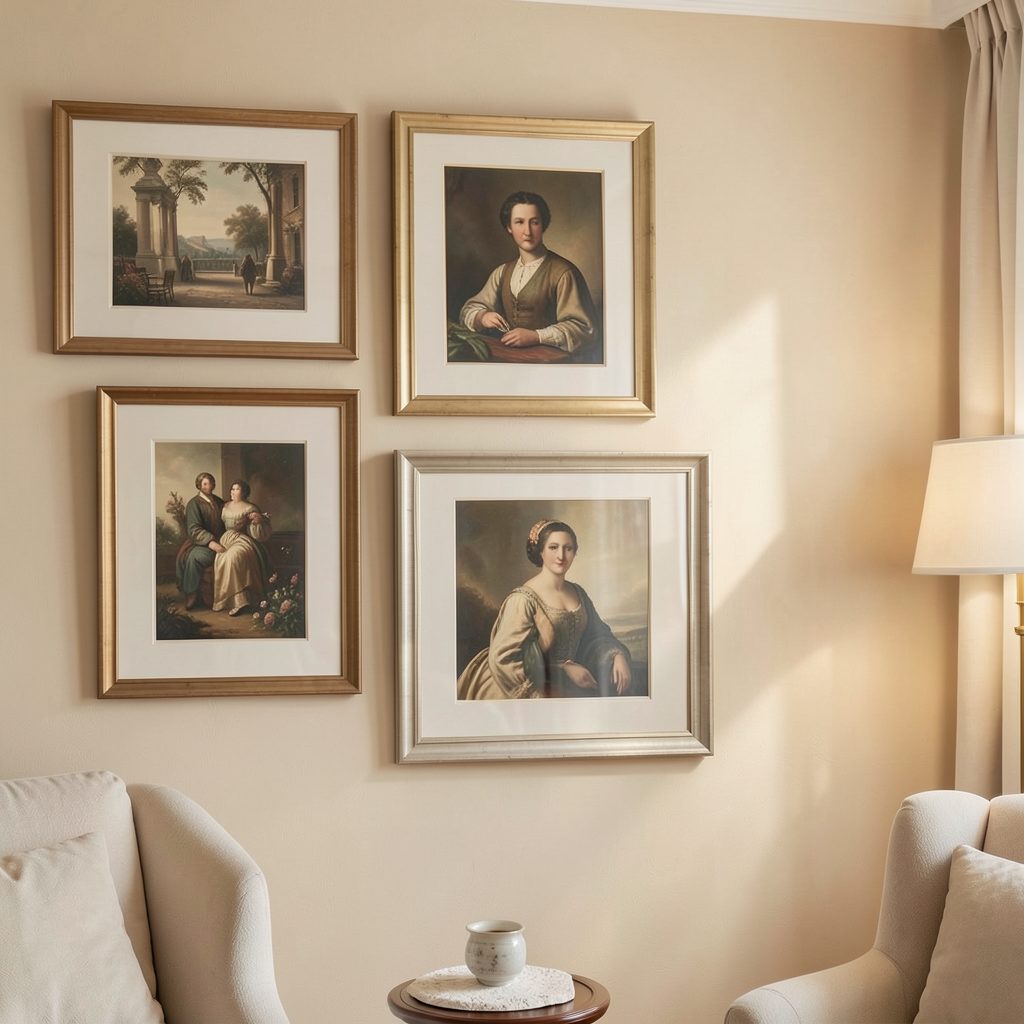
Engineered forms work well in smaller rooms. A series of three prints showing tools, bicycles, cameras or mechanical components creates repetition and visual order. Keep the spacing consistent and align the outer edges of the group so the display feels deliberate rather than scattered.
Add personality through portraits and still life
Portraiture gives a den emotional depth, whether the subject is a musician, writer, explorer or an anonymous figure from a historical photograph. Look for expressions and compositions that feel thoughtful rather than theatrical. A single portrait with plenty of surrounding wall space often has greater impact than several competing faces.
Still life can be equally strong. Dark ceramics, old books, native seed pods, desk objects, glassware and sculptural fruit create a quieter reference to daily rituals. Australian botanicals such as banksia, bottlebrush and eucalyptus can appear in photography or drawing without making the room feel overtly rustic. These subjects work especially well in a study where the aim is warmth with restraint.
When selecting a frame, consider the furniture first. A chunky timber frame can echo a walnut desk, while a thin metal profile suits a steel shelving system. This frame selection advice is useful when several artworks need to look related without matching exactly.
Build a considered art mix
A successful collection usually has variation in scale, subject and medium, with a limited colour story holding it together. Before buying, spread potential pieces across the floor and view them from the doorway, desk and reading chair. This reveals whether one work dominates or whether the arrangement needs a stronger focal point.
Useful subjects to consider include:
- Architectural photography with strong lines
- Australian landscapes in subdued tones
- Abstract works with earthy colour
- Portraits, tools or objects with personal meaning
For Australian homes, allow for practical details such as glare, humidity and the distance between the artwork and the nearest air-conditioning vent. In a rented apartment, removable hanging systems can make a gallery wall more flexible, while homeowners may prefer concealed fixings for a substantial canvas. Local framers often offer museum board and UV glazing, though prices can vary considerably between suburbs and regional centres.
A balanced collection might combine:
- One large statement canvas above the desk
- Two or three smaller works in a consistent frame style
- A photographic or graphic print for contrast
- A sculptural object on a shelf or credenza
The Australian art market makes this approach accessible at different budgets. Independent galleries, artist-run spaces and weekend design markets often offer limited-edition prints alongside original works, while online platforms make it easier to discover artists outside the capital cities. If you create art yourself or know a local maker whose work would suit the room, you can submit your artwork for consideration.
The finished room should feel personal enough to live in and composed enough to support concentration. Select subjects that connect with your interests, use framing to create visual continuity, and let one or two memorable pieces lead the arrangement. Browse considered artwork, refine your gallery wall and give your office or den a character that feels distinctly yours.