Bathroom upgrades that add value to your apartment
A well-designed bathroom can influence how an apartment feels, photographs, and performs on the property market. Buyers and renters tend to notice the room’s condition quickly, especially when fittings look dated, storage is limited, or poor lighting makes the space feel smaller than it is.
The strongest improvements balance visual appeal with practical use. A calm colour palette, reliable fixtures, generous storage, and easy-to-clean finishes can make an everyday bathroom feel more spacious and expensive without requiring a complete remodel.
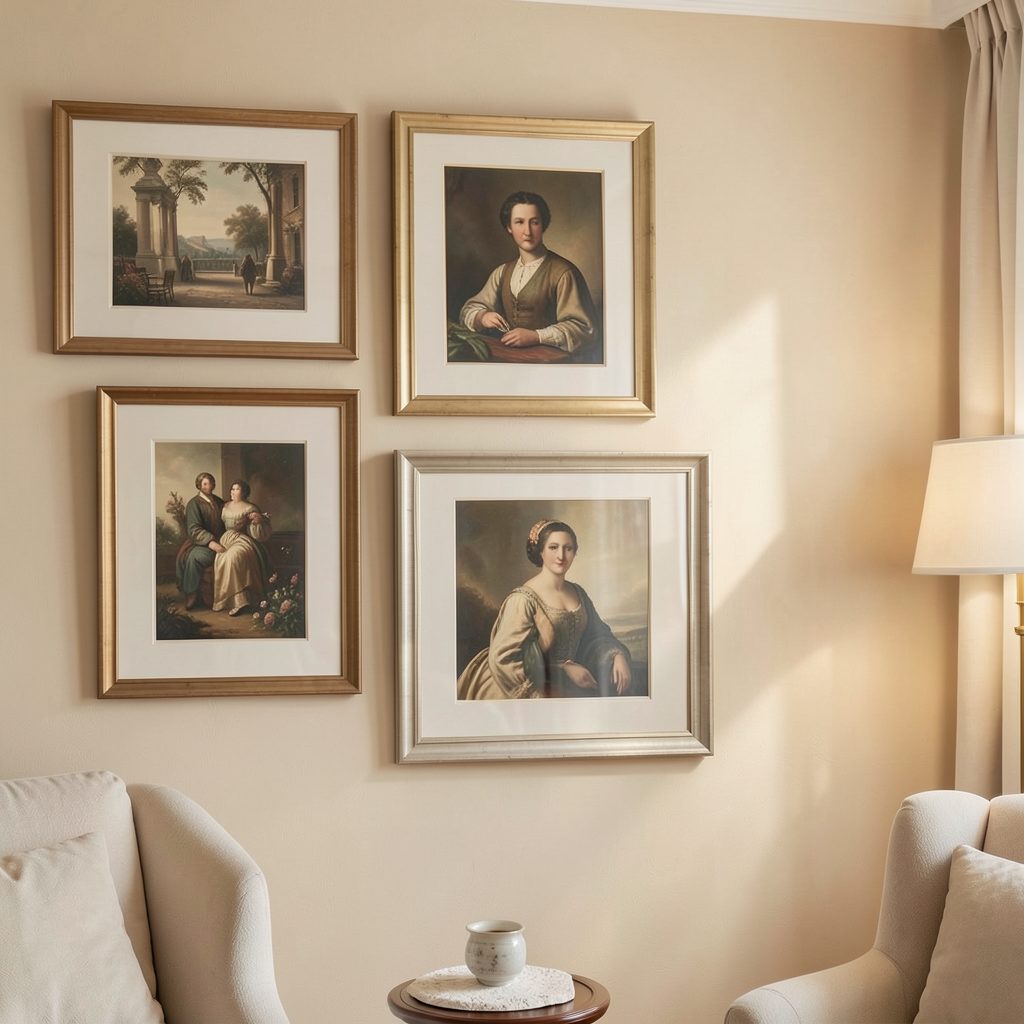
For ideas that connect interiors with artwork and considered styling, browse Focus LDN, where gallery walls, minimalist rooms, and display techniques offer useful inspiration for the rest of an apartment.
Start with a durable visual foundation
A cohesive bathroom begins with finishes that can withstand moisture, cleaning, and daily traffic. Large-format porcelain tiles are a popular choice because they create fewer grout lines, making walls and floors appear more continuous. Stone-effect porcelain can deliver a refined look without the maintenance associated with porous natural stone.
Neutral shades usually provide the broadest appeal, but neutral does not have to mean plain white. Warm greige, soft clay, pale sage, and muted charcoal can give the room personality while remaining easy for future residents to style. If replacing every surface is outside the budget, updating the floor, splashback, or shower wall can still create a strong visual shift.
Improve comfort and daily function
Small functional details often have a greater effect on perceived quality than decorative additions. A thermostatic shower valve, a rainfall showerhead, or a handheld attachment can make the bathroom more comfortable. Water-efficient fittings are equally valuable, particularly in apartments where utility costs and environmental concerns influence purchasing decisions.
Ventilation deserves careful attention. Persistent steam encourages mould, damages paint, and creates an unpleasant atmosphere. A quiet, effective extractor fan with a timer or humidity sensor helps protect the finishes and gives the room a fresher feel. If the existing fan is noisy or weak, replacing it can be a relatively modest upgrade with a noticeable impact.
Lighting should work at several levels. Recessed ceiling lights provide general illumination, while wall sconces or backlit mirrors reduce shadows around the face. Choose warm-to-neutral bulbs with a high colour-rendering index so tiles, skin tones, and artwork appear accurate.
Choose upgrades with measurable appeal
Some bathroom improvements create immediate visual impact, while others support long-term value through reliability and lower maintenance. The best renovation choices usually combine both. A beautiful basin that stains easily or a fashionable tap with poor water pressure will not feel like an upgrade for long.
Storage is another high-value feature. A wall-hung vanity can make the floor easier to clean and give a compact room a lighter appearance. Mirrored cabinets provide concealed shelving without taking up additional wall space. Even a narrow recessed niche in the shower can remove clutter from the basin area.
| Upgrade | Value for apartment living | Design benefit | Maintenance note |
|---|---|---|---|
| Wall-hung vanity | Frees floor space and adds storage | Creates a streamlined silhouette | Leave access to plumbing |
| Heated towel rail | Improves comfort and drying | Adds a polished hotel-style detail | Choose an efficient size |
| Frameless shower screen | Makes the room feel more open | Reduces visual interruptions | Requires regular glass cleaning |
| Large-format porcelain tile | Handles moisture and heavy use | Gives walls a spacious appearance | Use slip-resistant flooring |
| Illuminated mirror cabinet | Combines lighting and storage | Keeps the basin area uncluttered | Check electrical installation rules |
Make small bathrooms feel considered
In a compact apartment bathroom, visual continuity can make a meaningful difference. Running the same tile from the floor into the shower area, or choosing a shower screen with minimal framing, reduces the number of dividing lines. A floating vanity and wall-mounted toilet can also expose more floor, helping the room feel less crowded.
Colour placement matters as much as colour choice. Pale tones reflect light, while a darker wall at the far end can create depth when used carefully. Vertical wall tiles may make a low ceiling appear taller, and a wide mirror can visually extend the room. Similar principles apply elsewhere in an apartment; these ideas for widen a hallway show how proportion and placement can alter a narrow space.
Avoid filling every available surface with accessories. One sculptural soap dispenser, a neatly folded towel, and a small plant suited to humidity can feel more intentional than a collection of decorative objects. The goal is to create a bathroom that appears calm, clean, and easy to use.
Use art without sacrificing practicality
Artwork can make a bathroom feel connected to the wider apartment rather than treated as a purely functional room. Choose pieces with sealed frames, protected surfaces, or materials that can tolerate fluctuating humidity. Position art away from direct shower spray and allow enough ventilation to prevent condensation from collecting behind the frame.
Photography, abstract prints, and small works on paper can all work well when carefully protected. A single large piece may give a narrow wall focus, while a pair of modest prints can establish symmetry above a vanity. For a more collected look, learn about mixing artwork thoughtfully before combining different mediums and frame styles.
Frame selection should support the room’s hardware. Brushed metal can echo taps and towel rails, while a pale wood frame may soften a bathroom filled with white tile. Avoid placing irreplaceable or highly delicate artwork in a space with constant steam; decorative prints are a more practical choice.
Prioritize work that pays back
Before starting any renovation, inspect the hidden infrastructure. Leaks, poor waterproofing, outdated wiring, and damaged subfloors should take priority over cosmetic changes. In an apartment, plumbing alterations may require building approval or coordination with neighbours, so confirm permissions before moving fixtures.
A focused project can still make the room feel substantially better. Prioritise upgrades that improve appearance, performance, and maintenance:
- Repair leaks and renew failing silicone around wet areas.
- Replace chipped, outdated, or mismatched taps and shower fittings.
- Add useful storage through a vanity, mirrored cabinet, or recessed shelf.
- Improve ventilation and layer the lighting around the mirror.
- Select durable, moisture-resistant finishes in a restrained colour palette.
Keep the original layout where possible if the bathroom already functions adequately. Moving toilets, basins, and shower drains can consume a large portion of a renovation budget. Investing in quality fixtures, fresh surfaces, and intelligent storage often delivers a stronger return than relocating every element.
Make the bathroom feel like a deliberate extension of the apartment: durable underfoot, easy to maintain, comfortable in daily use, and visually connected to the rooms around it. Start with the repair work, refine the lighting and storage, then add a carefully chosen print or frame to give the finished space a distinctive point of view.