Bathroom Renovation on a Budget: Small Changes, Big Impact
A bathroom can feel dated long before its fixtures stop working. Scuffed grout, harsh lighting, mismatched storage, and tired accessories quickly make the room seem less inviting, even when the layout is perfectly practical. The good news is that a stylish update does not require a complete strip-out.
A thoughtful bathroom renovation on a budget focuses on the details that occupy the most visual space. Fresh paint, improved lighting, coordinated hardware, and carefully chosen artwork can change the atmosphere while preserving sound tiles, plumbing, and cabinetry.
Before buying anything, decide what the room needs to do better. Is it too dark, short on storage, visually cluttered, or simply lacking personality? A clear priority list will help direct your money towards changes that create a lasting difference.
Set a realistic budget before shopping
Begin by separating essential repairs from cosmetic improvements. Leaking taps, damaged sealant, poor ventilation, and loose tiles should take priority over decorative purchases. Setting aside a small contingency fund is sensible, since even minor work can uncover worn fittings or water damage.
For a cosmetic refresh, divide the budget into broad categories: surfaces, lighting, storage, hardware, and finishing touches. This makes it easier to see where an expensive choice may limit the rest of the scheme. A simple ceramic soap dispenser can look more polished than a collection of mismatched branded bottles, leaving more money for a good mirror or pendant light.
Keep the existing layout whenever possible. Moving a toilet, shower, or basin involves plumbing, flooring, and professional labour, while repainting, replacing handles, or changing a mirror can transform the room for a fraction of the cost.
Concentrate on the most visible surfaces
Paint is one of the quickest ways to alter the character of a bathroom. Choose a moisture-resistant formula in a soft neutral, muted green, warm white, or dusty blue. Pale shades can help a compact room feel larger, while a deeper colour on one wall may give a generous bathroom more definition.
You do not always need to replace old tiles. Thorough cleaning followed by fresh grout can make a surprisingly large difference. If the grout is badly stained, a grout pen offers an inexpensive update, while peel-and-stick floor tiles can provide a temporary change in a low-moisture area. Always check that products are suitable for bathroom conditions before applying them.
For a stronger focal point, tile a small section behind the basin or paint the wall above existing tiles. A narrow ledge, framed print, or well-placed mirror can then make that area feel intentional rather than unfinished.
Let colour and lighting do the heavy lifting
A coherent colour palette prevents a budget bathroom from looking assembled at random. Pick one main tone, one supporting neutral, and a small accent colour for towels, ceramics, or artwork. Focus LDN’s guide to a cohesive colour palette can help you connect the bathroom with nearby bedrooms and hallways.
Lighting deserves equal attention. Replace a dated ceiling fitting with a simple flush mount, then add a wall light or illuminated mirror near the basin if the wiring allows. Warm white bulbs usually create a calmer atmosphere than cool blue-toned light, but task lighting should still be bright enough for shaving or applying makeup.
Mirrors can multiply natural light and make a small bathroom feel more spacious. A large frameless mirror keeps the look minimal, while a slim black, brass, or timber frame can introduce a decorative accent. Measure carefully around taps and wall cabinets before ordering.
| Update | Approximate cost | Visual impact | Best for |
|---|---|---|---|
| New paint | Low | High | Tired walls and ceilings |
| Regrouting | Low | High | Dull or marked tilework |
| Mirror replacement | Low to medium | High | Small or dark bathrooms |
| New cabinet handles | Low | Medium | Dated vanity units |
| Wall lighting | Medium | High | Poor task lighting |
| Open shelving | Low to medium | Medium | Extra storage and display |
Replace small details with lasting style
Hardware is easy to overlook, yet taps, handles, towel rails, and hooks strongly influence the room’s overall finish. Choose one metal finish and repeat it throughout the space. Brushed brass can add warmth, matte black feels graphic, and chrome works well in a crisp, contemporary scheme.
You can often update a vanity without replacing it. New handles, painted doors, and a neatly installed splashback may be enough to make an old unit feel considered. If the cabinet is structurally sound, lightly sand it, use a suitable primer, and apply a durable furniture paint in thin coats.
Textiles also have practical impact. Replace thin, worn bath mats with a washable cotton style, and select towels in two or three related shades. Matching textiles create visual calm without requiring a major purchase.
Add artwork and useful display space
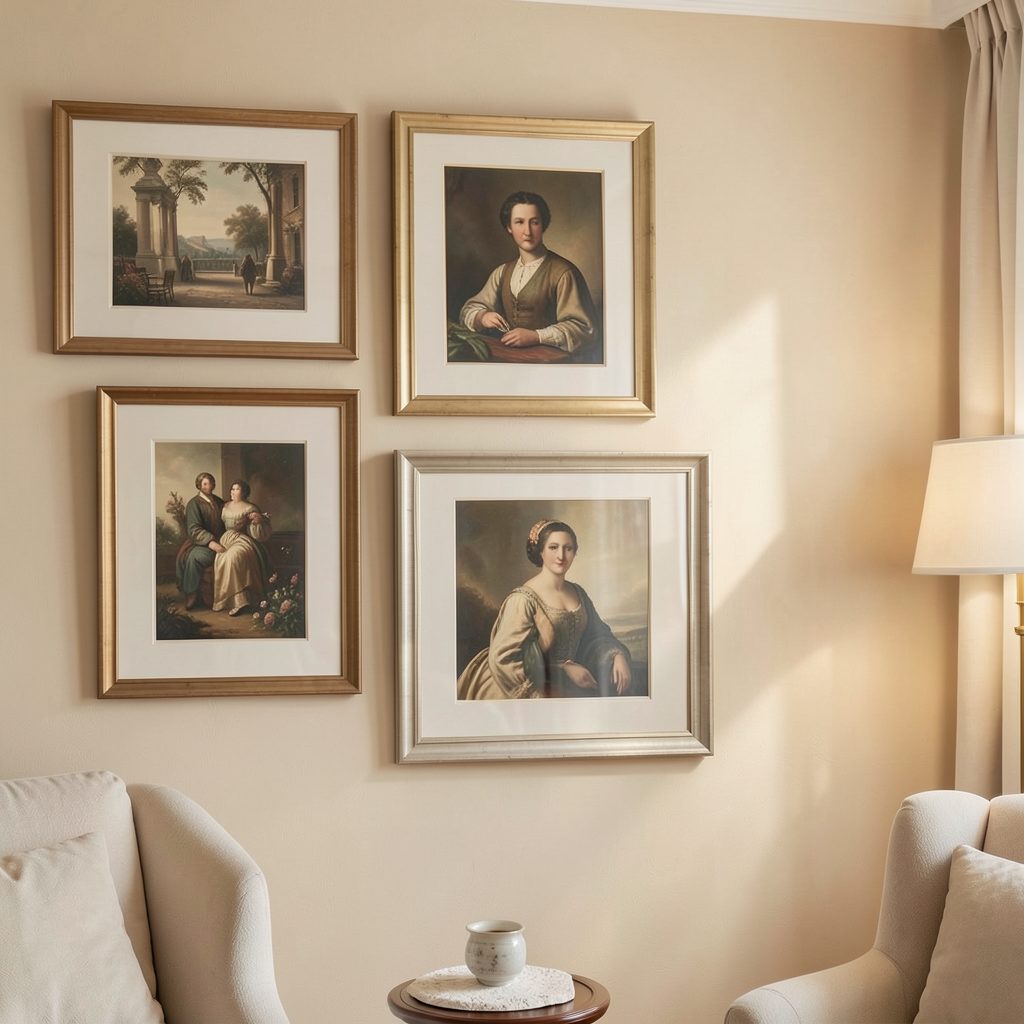
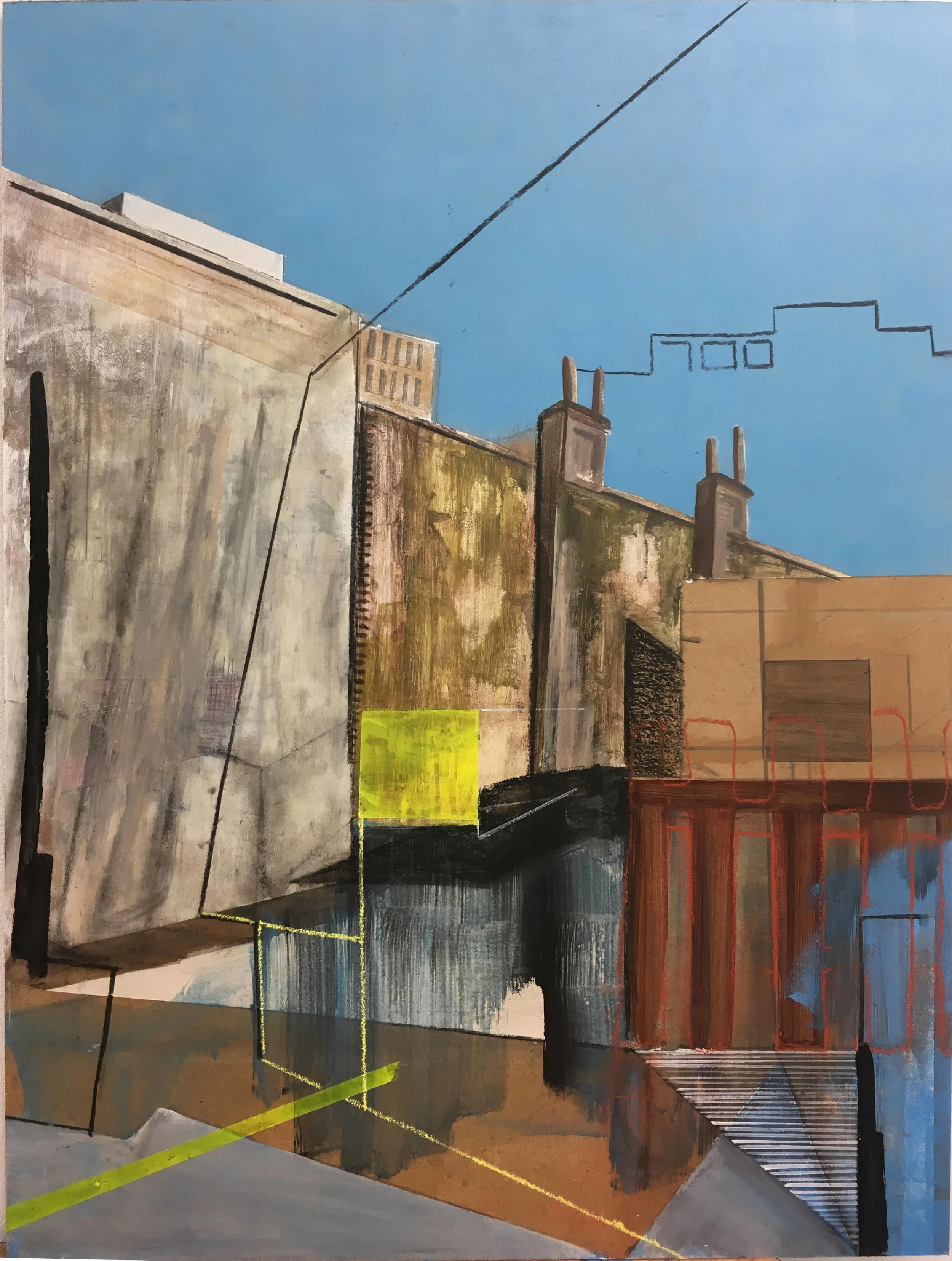
Bathrooms are often treated as purely functional, but a small piece of art can make the room feel connected to the rest of the home. Choose work that can handle some humidity, or position a framed print away from direct steam and splashing. Botanical studies, abstract shapes, and monochrome photography suit minimalist interiors particularly well.
A narrow picture ledge can display one framed work, a small vase, or a sculptural object without taking up floor space. If you are considering a larger arrangement, the ideas in gallery in house offer useful inspiration for integrating artwork into everyday rooms rather than reserving it for formal spaces.
Open shelves can combine storage and decoration. Fold spare towels into neat stacks, place everyday products in simple containers, and leave some empty space so the arrangement can breathe. Avoid putting too many moisture-sensitive objects near the shower, and secure shelves properly to prevent accidents.
Prioritise these affordable improvements
A clear order of work keeps a small decorating budget under control. Complete repairs and deep cleaning first, then handle surfaces and lighting before adding accessories. This prevents new purchases from being damaged or hidden during installation.
Use the following priorities when deciding where to spend:
- Repair leaks, refresh sealant, and improve ventilation before decorating.
- Paint the walls and ceiling in a moisture-resistant finish.
- Replace the mirror or lighting if the room feels dark or cramped.
- Coordinate handles, hooks, taps, and towel rails around one metal finish.
- Add one artwork, plant, or decorative object instead of filling every surface.
Try to live with each change for a few days before making another purchase. The room may need less decoration once the lighting, colour, and storage have improved.
Make the finished room feel intentional
The most successful low-cost bathroom updates have a restrained visual rhythm. Repeated colours, consistent metals, and a few carefully selected objects create a stronger impression than a crowded collection of accessories. Leave clear areas around the basin and bath so the room remains easy to clean and pleasant to use.
Finish by editing the details. Hide spare toiletries, decant frequently used products where practical, and keep only the pieces that support the room’s mood. A modest renovation can feel remarkably complete when every visible item has a purpose.
Start with one high-impact change this week, whether that means repainting the walls, replacing the mirror, or improving the light. Build the rest of the scheme gradually, and let your bathroom become a polished extension of the home rather than an afterthought.