Bathroom Art That Thrives in Humid Conditions
A bathroom can benefit from artwork just as much as a bedroom or living room. The right print, photograph, textile, or sculptural piece adds warmth to hard surfaces and gives even a compact space a considered, gallery-like character. The challenge is choosing materials that can handle steam, splashes, temperature changes, and limited airflow.
Humidity does not automatically rule out framed art. It does mean that every component deserves attention, from the image surface and backing board to the frame joints and wall position. With thoughtful selection and a few protective habits, bathroom artwork can remain crisp, stable, and stylish for years.
Choose artwork with moisture in mind
The safest options are works made from materials that do not readily absorb water. Archival photographic prints behind glazing, coated art prints, ceramic pieces, metal artwork, and properly sealed paper goods are generally more dependable than unprotected canvas or ordinary poster paper. Avoid placing irreplaceable originals in a room where regular condensation is unavoidable.
Acrylic and aluminum prints work especially well in contemporary bathrooms because they have a clean profile and do not rely on porous backing in the same way as traditional paper artwork. Ceramic tiles, stone reliefs, and glass panels can introduce texture while remaining naturally suited to a damp environment. If you prefer a softer look, choose a reproduction that has been professionally coated rather than a standard domestic print.
Build a frame that can withstand steam
The frame is often the vulnerable point. Unsealed wood can swell, warp, or develop mildew when exposed to recurring moisture, particularly if it sits close to a shower. Powder-coated metal, acrylic, PVC, and sealed hardwood are more practical choices for humid interiors. Look for well-fitted corners and avoid visible gaps where condensation can settle.
Glazing adds another layer of protection. Acrylic is lightweight and less likely to shatter, while glass offers excellent clarity and resists surface scratches. Anti-reflective glazing can be useful in bright bathrooms, where mirrors, windows, and glossy tiles create competing reflections. A sealed back is equally important because moisture can enter from behind even when the front looks protected.
Frame color can shape the entire atmosphere of a white bathroom. Black creates graphic contrast, pale oak adds warmth, and brushed brass echoes traditional fittings. For a more detailed palette guide, explore frame colors for white walls before committing to a finish.
Compare materials for damp-room displays
Each medium creates a different visual effect, and its practical performance varies considerably. The table below offers a quick way to compare common choices for bathroom walls.
| Artwork material | Humidity resistance | Visual character | Best placement |
|---|---|---|---|
| Coated art print | Moderate to high | Flexible and easy to coordinate | Away from direct spray |
| Acrylic print | High | Crisp, contemporary, reflective | Open wall areas |
| Metal print | High | Graphic, sleek, durable | Modern or minimalist bathrooms |
| Ceramic tile art | Very high | Tactile, decorative, architectural | Splash-prone zones |
| Sealed canvas | Moderate | Soft and textural | Well-ventilated bathrooms |
| Unprotected paper | Low | Casual and inexpensive | Dry guest bathrooms only |
No material is completely maintenance-free. Even durable pieces need sensible placement and occasional inspection, especially in a bathroom with a powerful shower or poor extraction. The more frequently the room fills with steam, the more valuable sealed surfaces and non-porous materials become.
Place art away from direct spray
The wall opposite a shower or bathtub is usually safer than the wall beside the showerhead. Keep framed pieces several feet from regular splashing, and avoid positioning them directly below a vent where damp air may collect as it cools. A bathroom with a window or effective extractor fan gives artwork a much better environment than a sealed, poorly ventilated room.
Scale also matters. A large horizontal print can balance a long vanity, while a narrow vertical piece can fill the wall beside a mirror without crowding the room. Leave enough breathing space around the artwork so it does not feel trapped between fixtures. Hanging it slightly higher than in a living room can protect it from accidental splashes while maintaining a comfortable viewing height.
Do not attach valuable artwork to a wall that shows signs of leaks, rising damp, or recurring condensation. Check the surface first, use suitable wall plugs, and make sure the hanging hardware can support the complete framed weight. In rental bathrooms, removable display ledges or freestanding waterproof objects may offer a safer alternative.
Create a gallery feel in a small bathroom
A compact room benefits from restraint. One substantial piece can act as a focal point above the toilet or beside the vanity, while a pair of coordinated works can add rhythm without making the walls feel busy. Botanical studies, abstract forms, architectural photography, and muted coastal imagery all work well with the calm atmosphere commonly associated with bathrooms.
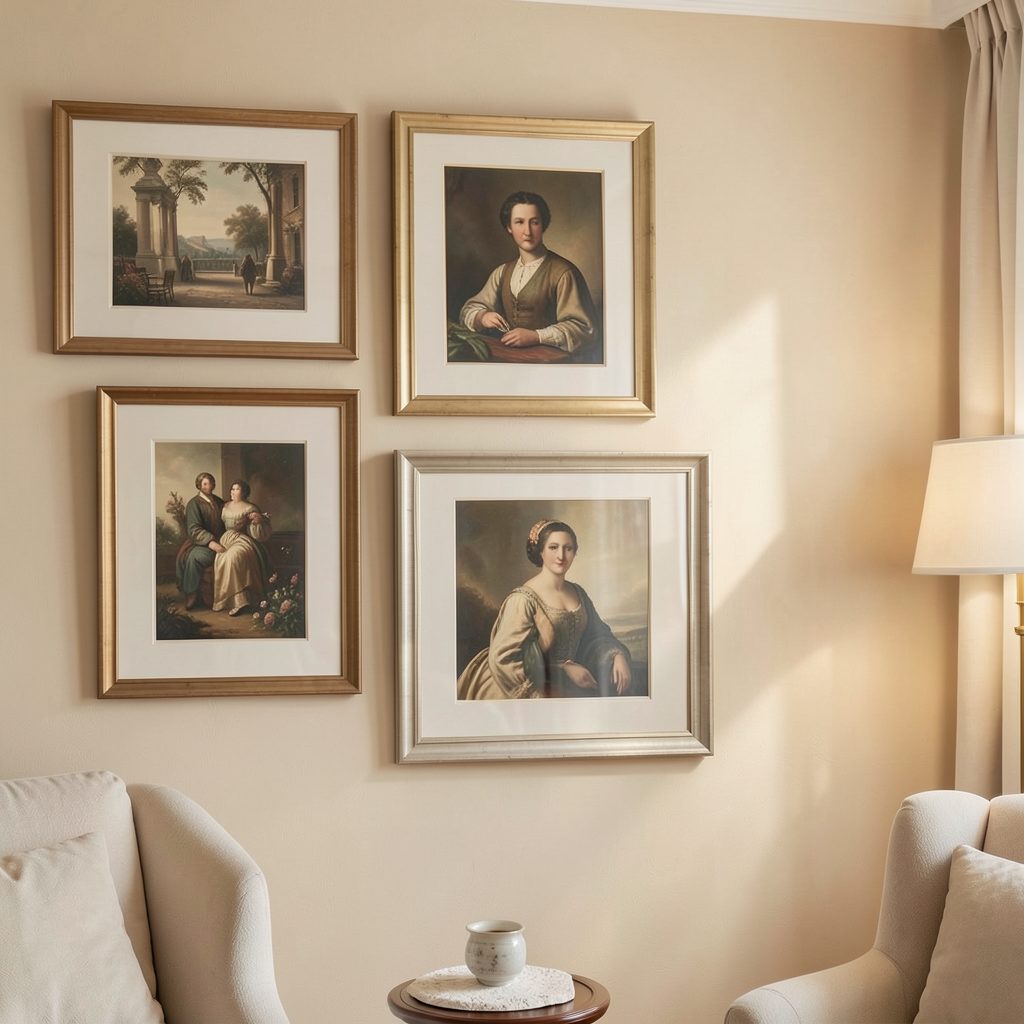
When space is limited, repeat one element across the display. Matching frames, a restricted palette, or a shared subject creates cohesion. For practical ideas that make a small room feel more intentional, these small bathroom decorating ideas can help you combine art with storage, mirrors, and lighting.
Avoid placing a gallery wall directly above a bath unless every component is specifically designed for high humidity. Several small frames create more joints, gaps, and edges where moisture can enter. If you want a collected arrangement, consider a single multi-image frame with sealed glazing or a set of ceramic panels that can be wiped clean.
Add character with sealed decorative details
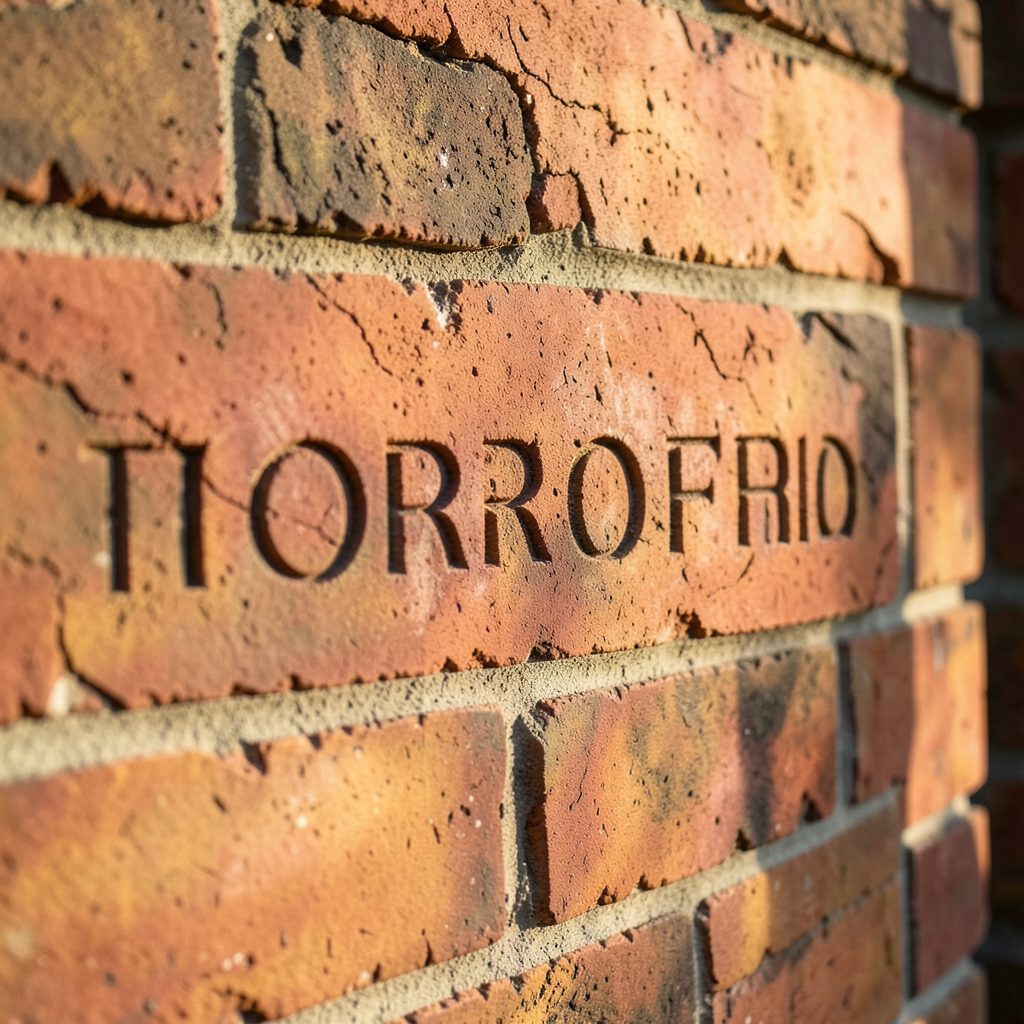
Art in a humid room does not have to be limited to framed prints. Sculptural objects made from stone, resin, glass, or glazed ceramic can bring depth to a vanity shelf. A carved plaque, relief panel, or custom lettering can provide a focal point without requiring delicate paper. For a tactile, architectural accent, explore brick engraving options and consider how a personalized piece might work alongside tile or masonry details.
Textiles require more caution. Woven wall hangings, untreated baskets, and fabric art can retain moisture and develop odors if the room cannot dry properly. If you use textile-inspired decoration, choose washable synthetic fibers or display the piece well away from the shower with reliable ventilation.
Lighting can enhance the display while protecting its appearance. Diffused wall lights reduce glare on glazing, and warm illumination can make neutral artwork feel richer. Keep electrical fixtures and art installation hardware appropriate for bathroom use, particularly in zones close to water.
Keep the display clean and stable
Run the extractor during showers and leave it on for a while afterward. Opening a window or leaving the door ajar helps reduce the moisture load. Wipe condensation from nearby surfaces rather than allowing droplets to dry repeatedly on the frame. These small habits have a greater effect on longevity than occasional deep cleaning.
Dust frames with a soft, dry cloth and follow the manufacturer’s instructions for acrylic, glass, metal, or ceramic surfaces. Never spray cleaner directly onto a framed piece, since liquid can seep into the edges. Inspect the backing every few months for warping, mildew, loose corners, or discoloration, and move the artwork if the wall remains consistently damp.
Practical choices for a polished result
- Choose sealed, coated, or non-porous artwork for bathrooms that receive daily steam.
- Use metal, acrylic, PVC, or sealed wood frames instead of unfinished timber.
- Position displays away from direct spray, leaky walls, and concentrated condensation.
- Coordinate frame finishes with taps, mirrors, tiles, and cabinet hardware.
- Ventilate the room after every shower and inspect artwork regularly.
A well-chosen bathroom display can turn a functional room into a personal gallery without sacrificing practicality. Select materials for the conditions, give each piece enough space, and let the artwork support the room’s existing palette and architecture. Subscribe to Focus LDN for more considered ideas on gallery walls, frame selection, and stylish home living.