Art and rug coordination for a layered bohemian living room
Art rug coordination is less about making a rug and painting identical than about creating a visual conversation between horizontal pattern and vertical colour. The rug gathers the room from the floor up, while artwork sets the mood above it.
A layered bohemian living room can still feel restful when scale, palette and repetition are handled deliberately. Start with the large shapes you already own, then add woven texture, collected artwork and plants rather than filling every surface.
In Australian homes, the scheme must also work for bright sun, compact apartments and relaxed everyday life. The result should feel collected over time, yet each piece appears to belong.
Begin with the rug as the visual anchor
Choose the area rug before buying additional art. Its pattern, base colour and scale determine which paintings will feel connected, and a large rug can stop a busy sofa from looking fragmented. For a three-seat lounge, compare a 230 by 160 centimetre rug with a smaller option rather than squeezing the floor covering beneath every piece.
Pull the rug’s dominant hue into the artwork, then repeat one smaller colour in the cushions or throw. Repeat a motif, such as diamonds or loose botanical shapes, without copying its exact scale. This gives the eye a clear path from floor to wall.
Leave some pattern unoccupied. A plain sofa, chair or cabinet keeps the scheme calm, while a second rug can work only if its colours clearly belong to the first. Use a non-slip underlay and keep rug edges beyond the main walking route.
Give the artwork a textured backdrop
The wall behind the art should provide contrast, not competition. Warm white, sand or clay walls make framed artwork and patterned textiles stand out, while a muted green or dusty blue can soften a rug with warm reds and browns.
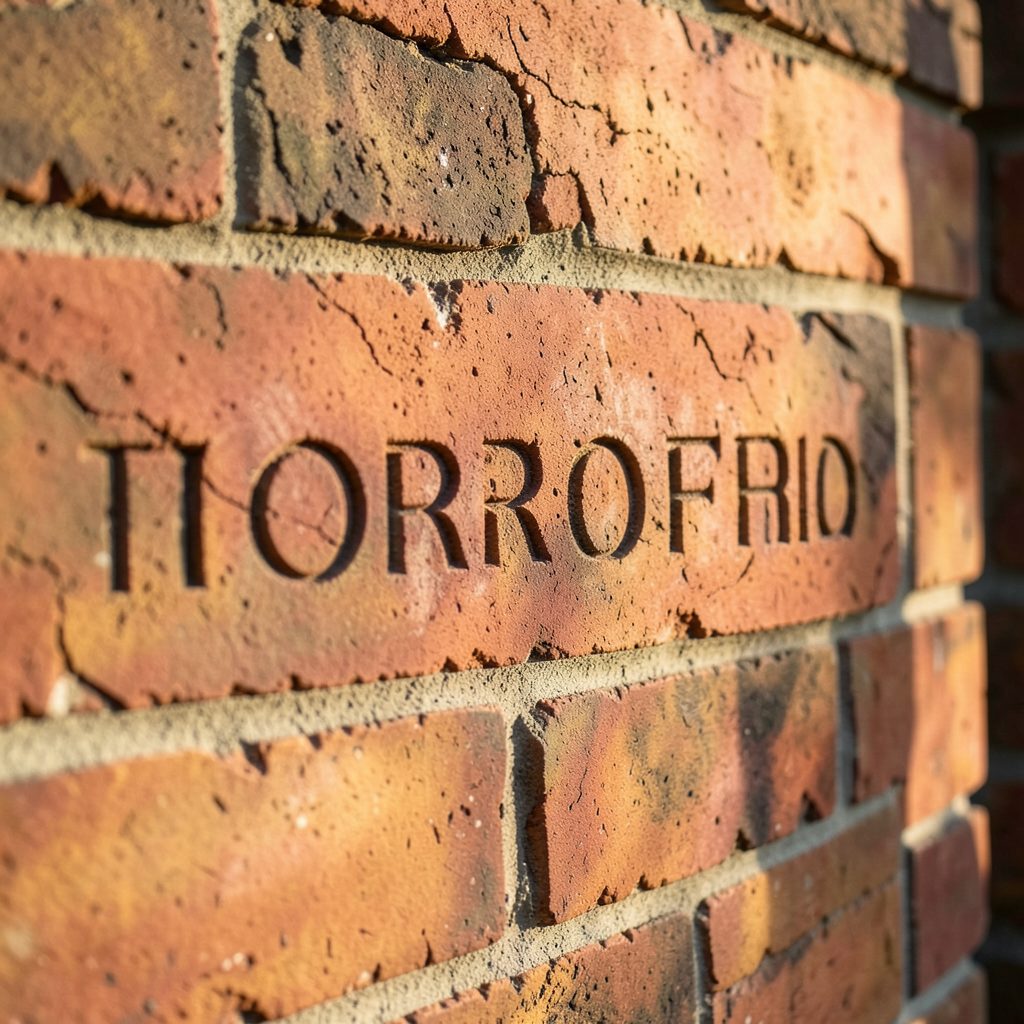
Texture gives a bohemian room depth. Timber, cane, linen and hand-thrown ceramics can sit beside the frame, and an engraved-brick feature inspired by brick engraving can bridge earthy colours without introducing another large motif.
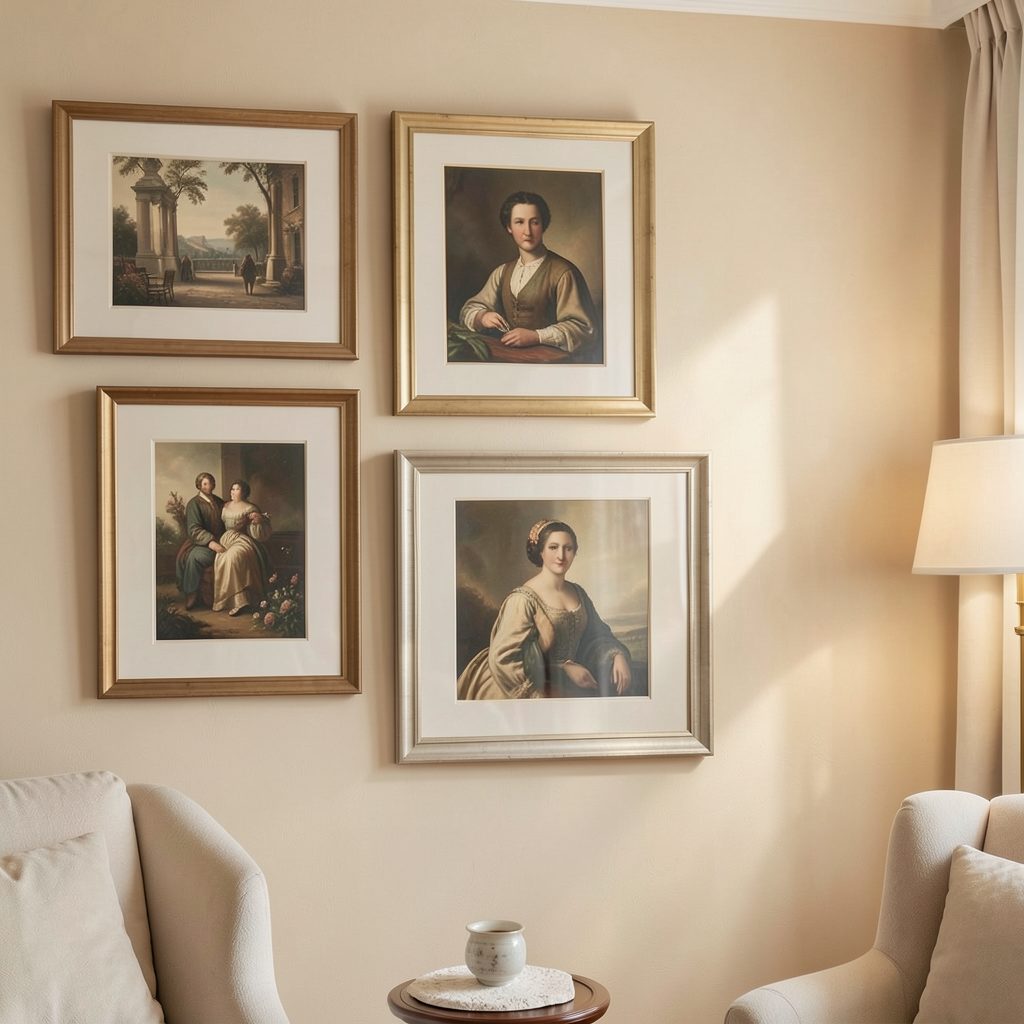
Choose frame finishes in two families, such as black timber with pale oak, rather than making every frame identical. Mix portrait and landscape works, original pieces with affordable prints, and let the rug’s palette appear in small details across the group.
Carry colour and pattern through the room
Treat the palette as a relay. If the rug carries rust, cream and charcoal, those tones can move into an artwork, a ceramic vessel, a leather strap and a plant pot. Keep larger surfaces quieter so the pattern remains the strongest statement.
Scale matters as much as colour. Fine lines in a small print can echo a detailed kilim, while broad blocks of colour suit a graphic geometric rug. Repeated shapes should appear in different sizes so the room feels layered rather than visually busy.
Natural materials make the scheme easy to extend. Jute, wool, cotton, rattan and leather work well together, although Sydney’s strong sun and coastal glare can fade dyes and weaken fibres. Rotate textiles, use blinds, and keep valuable art away from prolonged direct sunlight.
Build a collected but coherent gallery wall
Treat the wall as an edited exhibition. For more ways to combine originals, prints and personal pieces, browse in-house gallery ideas and select a mix of scales instead of buying a matching set.
Above a sofa, let the lowest artwork sit close enough to create one visual unit, then build upward with varied gaps. A loose grid suits a compact room; a salon-style cluster can accommodate collected frames and odd-shaped pieces without forcing symmetry.
Keep sightlines open by leaving wall space around the arrangement. In rented apartments, many residents need removable solutions, so lightweight frames can hang from approved picture rails or tension rods rather than masonry fixes. Never overload a rail or fix into a wall without checking permission.
Layer textiles without losing the floor
Layer at different heights rather than filling the floor with competing rugs. Place the front legs of the sofa and main chair on the statement rug, then use a small textured mat near a basket or reading chair only if it shares the palette.
Cushions, throws and table surfaces complete the horizontal-to-vertical flow. A round timber coffee table softens a rectangular rug, while a glass or metal table reveals more of the pattern. Warm lamps around 2700K help reds, ochres and natural fibres feel rich after sunset.
Melbourne and Sydney apartments and inner-city terraces often have narrow rooms and limited wall space. Scale furniture to the rug, keep a clear path from the entrance, and use vertical artwork to gain height. A low coffee table preserves openness when circulation is tight.
Make the scheme work for everyday Australian life
Australian living rooms frequently move between lounging, barefoot family time and gatherings that spill toward a balcony or patio. Choose a durable flatweave or a rug with a washable cover, rotate it in strong light, and add a discreet protector beneath dining chairs. These choices preserve the relaxed look while reducing wear.
The local market mixes hand-tufted pieces from independent Australian studios with imported jute, wool and machine-made flatweaves sold through design stores and online marketplaces. Check fibre content, pile height and cleaning instructions before purchasing. Under the Australian Consumer Law, consumer guarantees apply to goods sold by Australian businesses, including guarantees about quality and description. In a strata apartment, strata rules may also govern common property and alterations; check the Owners Corporations Act 2006 in NSW or the Owners Corporations Act 2016 in Victoria, plus the owners corporation’s by-laws, before fixing heavy artwork.
- Select the rug first and let its palette guide every artwork purchase.
- Repeat one colour and one motif across the floor and wall.
- Keep the sofa and major furniture simple enough to reveal the pattern.
- Mix frame materials, but limit the palette to two finishes.
- Hang the gallery wall with one clear focal point and generous spacing.
- Use a non-slip underlay and rotate the rug in harsh sunlight.
- Check rental, strata and installation rules before fixing anything.
Choose one anchor rug, pull three colours from it, and select artwork that repeats just one of those tones. Subscribe to Focus LDN for practical gallery-wall and home-styling ideas delivered to your inbox.