Art pairing ideas for fireplaces and mantels
A fireplace mantel gives a room a natural centre, but the artwork above it should feel connected to the architecture rather than simply placed in leftover wall space. These art pairing ideas for a room with a fireplace and mantel depend on proportion, visual weight and how the room is used. The aim is a display that works from the sofa, still feels composed during family life and can evolve as your collection changes.
Begin by reading the room: the width and height of the mantel, the material around the hearth and the strongest colours in the furniture. In compact Sydney and Melbourne apartments, where fireplaces often share a wall with media units or shelving, even a small mismatch can feel crowded. A considered pairing adds depth without turning the wall into a crowded gallery.
Start with the mantel’s visual architecture
Measure the mantel and wall before choosing art. From the main seat, mark the visual centre, which may differ from the geometric centre if a television or cabinet sits nearby. A horizontal work wider than the mantel can make the hearth feel grounded, while a narrow pair suits an already busy wall. These are starting points, not rigid rules.
Balance the display with one work on each side of the centre, or use an odd-numbered grouping that lets one piece lead. Leave breathing room so the mantel remains readable as architecture. If three coordinated works appeal, this guide to arrange a triptych explains how to maintain spacing and visual rhythm without making the arrangement overly formal.
Balance scale, colour and texture
Pair by visual weight rather than identical dimensions. Two slim vertical portraits can balance one broad landscape, while a small, dark work may carry more presence than a larger pale print. Pull two or three colours from the room—perhaps rust cushions, olive greenery or warm timber—and repeat them in the art. Repeating a colour creates connection; repeating every style creates sameness.
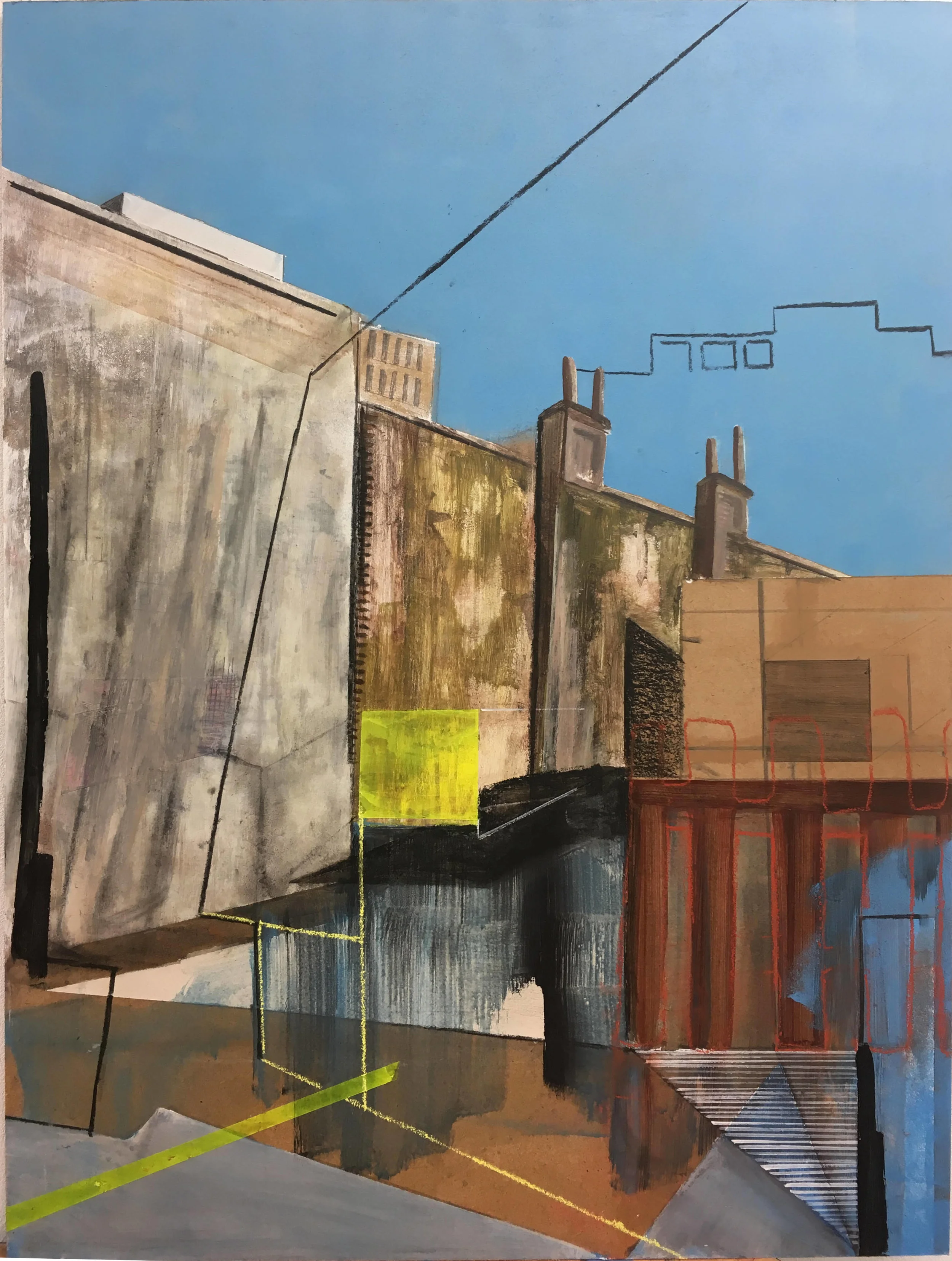
Contrast keeps a coordinated pair lively. Pair soft botanical forms with a graphic abstract, or quiet watercolours with one crisp black-and-white work. Texture matters too: visible linen, brushed metal and natural timber add another layer against brick, render or painted plaster. In many Australian homes, the fireplace already supplies strong material contrast, so the artwork should support it rather than compete.
Select frames with purpose
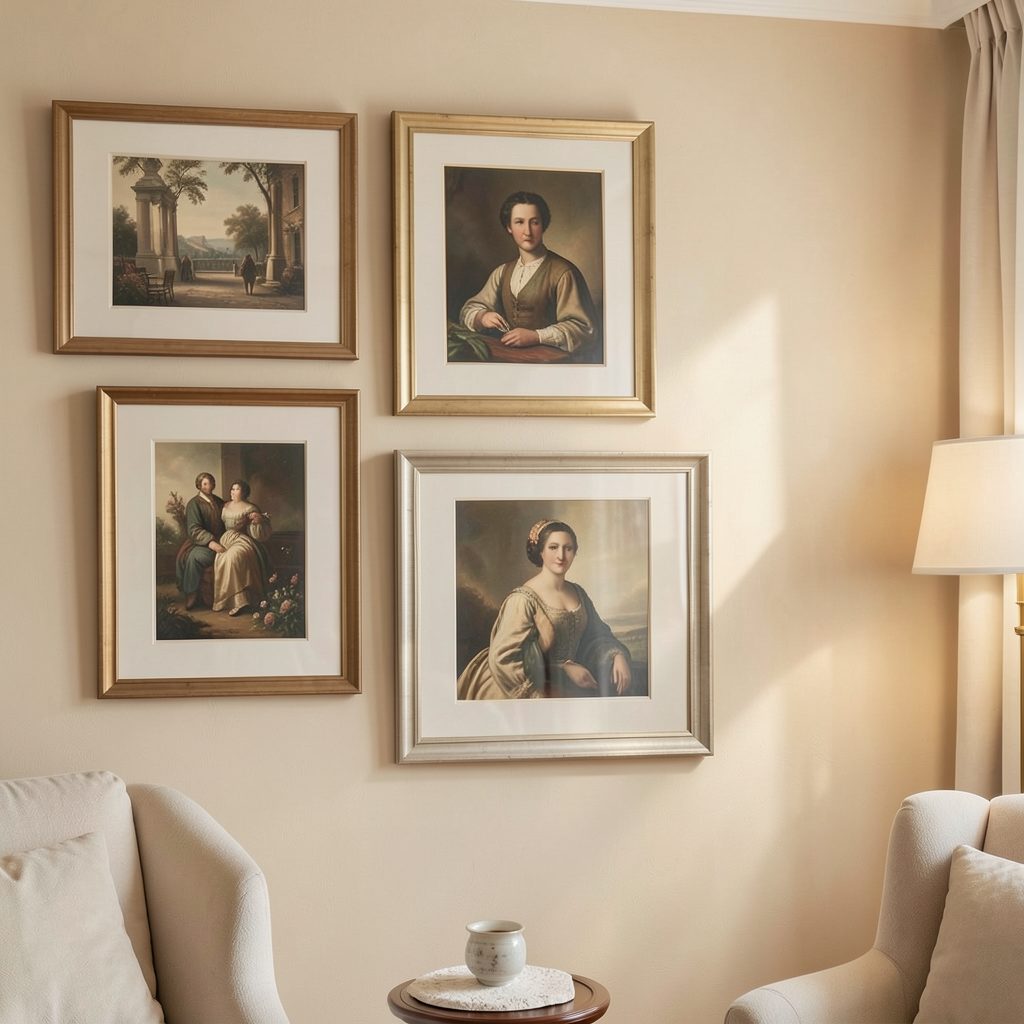
Frames help separate or unite the pieces. Matching mouldings create a calm, traditional arrangement; different profiles can give two works separate identities while a shared mat colour still ties them together. If you are starting from scratch, the practical steps for frame artwork cover proportions, glazing and hanging hardware. Check each image’s orientation before settling on a frame, especially when the fireplace architecture is symmetrical.
Black timber frames suit brick and pale walls, while warm oak can echo a timber mantel. Deep timber frames create a substantial look, although slim profiles often keep smaller spaces open. In bright rooms, ask about UV-filtering glazing and use acid-free matboards for valuable works. Match the visible mount size across differently sized frames, but let the artworks themselves remain the focus.
Work with Australian homes and art
Australian interiors often bring an outdoor palette indoors through eucalyptus greens, ochre, sand and muted blue. Artwork featuring native landscapes, coastal scenes or abstract shapes inspired by mineral colour can sit comfortably beside those tones without looking themed. The local art market offers choices from established gallery artists, emerging printmakers and weekend studios in Melbourne, Sydney, Brisbane and Adelaide, so compare scale and tone in person where possible.
Open-plan living and the habit of moving between lounge, dining area and terrace can make a fireplace wall a transition point rather than an isolated feature. Repeat one material or colour from the artwork in nearby furniture, but avoid matching everything. Before buying online, check the artist, edition, framing options and return policy; then place a print on the floor or against the mantel to judge its real scale.
Protect the hearth and the artwork
Leave the space above a working fireplace as a safety zone until you have checked the appliance instructions and measured its heat clearance. Printed paper, textile, wax and unfinished timber can discolour or warp, and nearby artwork may also be vulnerable to soot. Gas fireplaces must comply with the Australian Standard for domestic gas appliances, AS/NZS 2918, and applicable state and territory installation requirements.
State and territory regulations also govern smoke alarms, so keep vents, alarms and controls clear and check that the display does not obstruct access. Never drill blindly into a masonry chimney breast or flue; identify the wall construction and use suitable fixings, or ask a qualified installer. Any new electrical work should be completed by a licensed electrician, and cords should remain behind furniture and away from heat.
Connect the display to daily life
Style the mantel lightly so it complements rather than competes with the art. Group objects in odd numbers, vary heights and leave one side open if the arrangement needs balance. A ceramic vessel, a small branch and one framed photograph can create rhythm without filling every centimetre. Keep candles and heat-sensitive ornaments away from the firebox and use the hearth as a functional centre for the room.
Lighting can transform the pairing after dark. A warm picture light around 2700K flatters timber and skin tones, while a narrow spotlight can wash a textured wall. Check glare from screens and windows, and use several low-level lamps if the fireplace is also the main evening gathering point. Leave enough clear surface for glasses, books and the ordinary clutter that comes with relaxed weekends at home.
Choose one colour link, compare a symmetrical pair with an asymmetrical grouping, and place both options on the mantel before committing. Measure twice, protect the artwork from heat and judge the display in both daylight and evening. Explore Focus LDN’s practical decorating guides and subscribe for fresh ideas on gallery walls, framing and stylish home living.