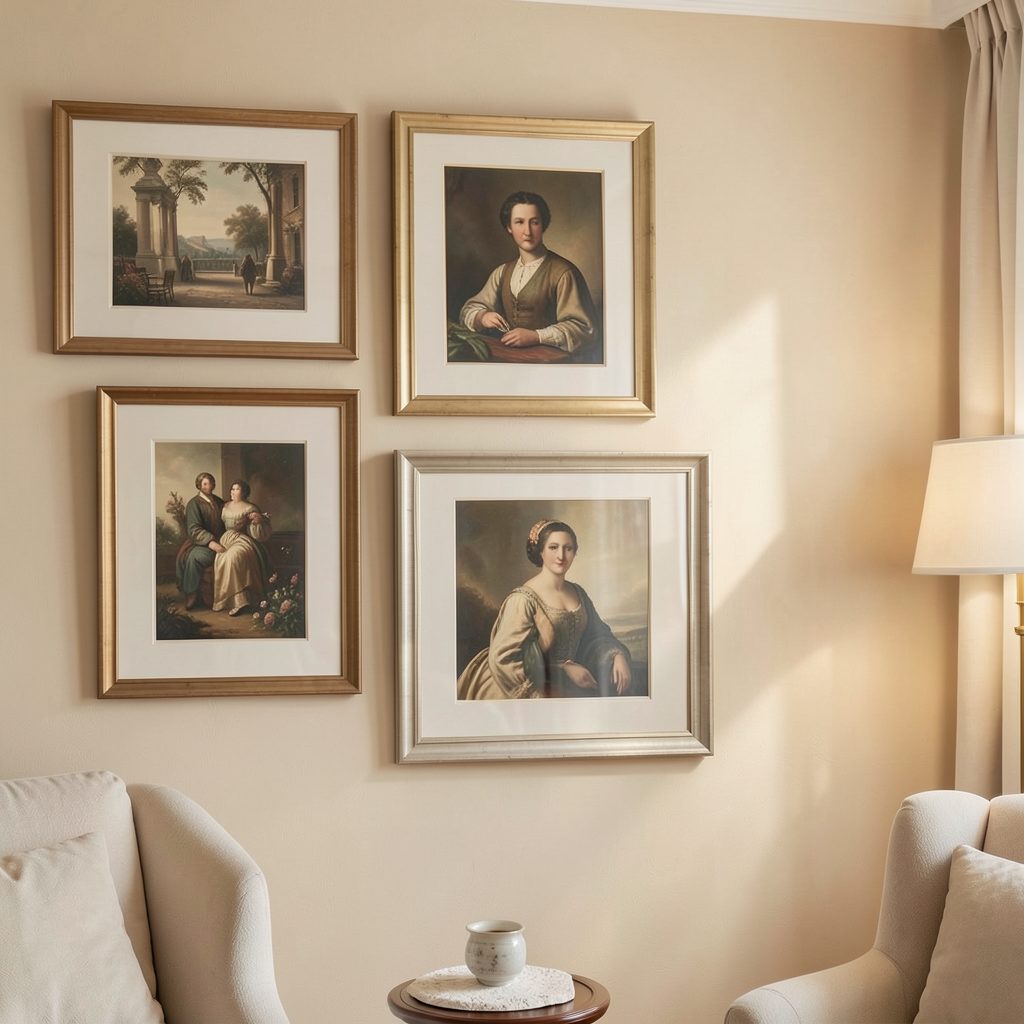
When creating labels for an art gallery, a few thoughtful choices can make a big difference. Visitors may feel overwhelmed by too much information, so the goal is to strike a balance between being informative and being concise. A well-crafted label enhances the viewing experience without distracting from the artwork itself.
Information That Should Be Included on a Gallery Label
Every gallery label should include the artwork's title and medium, along with a brief narrative description that gives context without overwhelming the reader. Aim to keep the total word count around 120 words — enough to engage curiosity but short enough that visitors can absorb it at a glance.
Think of the label as a quiet guide: it might hint at the artist's intention, the technique used, or an interesting detail about the piece. Avoid jargon and keep the tone accessible.
Beyond the basics of title and medium, a well-crafted gallery label can help visitors connect more deeply with the artwork before them. Consider weaving in a single thoughtful observation about the piece's composition, color palette, or the materials used to create it. This small touch invites viewers to look closer and form their own interpretations rather than simply moving on to the next frame. When writing, imagine you are speaking to a friend who has just wandered into the space — warm, curious, and open to discovery. That conversational tone makes the gallery feel approachable and encourages lingering.
In apartment decor galleries especially, labels can bridge the gap between artistic inspiration and practical application. A label that mentions how a particular texture, color scheme, or arrangement might translate into a living space adds genuine value for visitors browsing for ideas. Whether the piece features minimalist lines, bold stone finishes, or layered textiles, hinting at how these elements could inspire a bedroom, bathroom, or sitting area makes the artwork feel relevant to everyday life. This approach transforms passive viewing into active inspiration, helping readers imagine how a piece might inform their own decorating choices.
Consistency matters when designing labels across a collection. Keep the format uniform — same length, same structure, same placement — so visitors know what to expect and can compare pieces easily. A brief narrative that balances context with brevity respects the reader's time while still offering something memorable. Avoid technical terms that might alienate casual viewers, and resist the urge to over-explain what the artwork already communicates visually. The most successful labels feel like a gentle nudge rather than a lecture, giving just enough information to spark curiosity while leaving room for personal connection and interpretation.
Size of the Label
Label size matters more than most people realise. A label that is too large competes with the artwork; one that is too small gets overlooked. As a rule of thumb, the label should be proportionate to the piece and the viewing distance. For wall-mounted works, a compact rectangular label — roughly the size of a postcard or smaller — tends to work well. For larger installations, slightly bigger labels may be appropriate, but restraint is key.
Position of the Label on the Artwork
Placement is just as important as content. Labels are typically positioned to the right of the artwork at eye level, or mounted on the wall beside the piece. For sculptures and three-dimensional works, a small freestanding label or plinth card placed nearby works best. Consistency across the exhibition helps visitors know where to look, creating a smoother, more professional gallery experience.
Footnotes and Bibliographic Citations
For exhibitions with a scholarly or historical dimension, including footnotes and bibliographic citations adds credibility. These can be placed in a smaller type size at the bottom of the label or collected in a separate exhibition handout. Where relevant, linking to online counterparts — such as a digital catalogue or the artist's website — invites visitors to explore further after they leave the gallery.
Related Articles
- How to Submit Art to a Gallery — advice on approaching galleries and building relationships.
- What Is a Gallery in a House? — ideas for creating a dedicated art display space at home.
- Gallery Art — browse all articles in the Gallery Art category.