Gallery Art
Articles on art gallery culture & practice
Living with art begins long before the first piece is hung. The way a room is arranged, the light that falls across a wall, and the colours already present in your decor all shape how artwork will be seen and felt. For apartment dwellers, the challenge is often scale — finding pieces that suit compact walls without overwhelming a modest room. A single bold canvas can anchor a sitting area, while a carefully placed print in a bathroom or hallway adds unexpected personality. The goal is not simply to display art, but to let it converse with the space around it, creating a layered, lived-in atmosphere that feels both intentional and effortless.
Understanding how to arrange a gallery wall transforms an ordinary apartment into a curated personal exhibition. The classic approach involves laying pieces out on the floor first, experimenting with spacing and alignment before committing to nails. Linear rows offer a clean, orderly rhythm, while a more organic cluster can lend warmth and spontaneity. Mixing frames of varying materials and widths keeps the arrangement from feeling sterile. For those who prefer flexibility, leaning artwork on shelves or mantels avoids permanent commitment and allows the collection to evolve. Whatever the arrangement, consistency in spacing and visual weight ensures the wall reads as a cohesive whole rather than a scattering of unrelated objects.
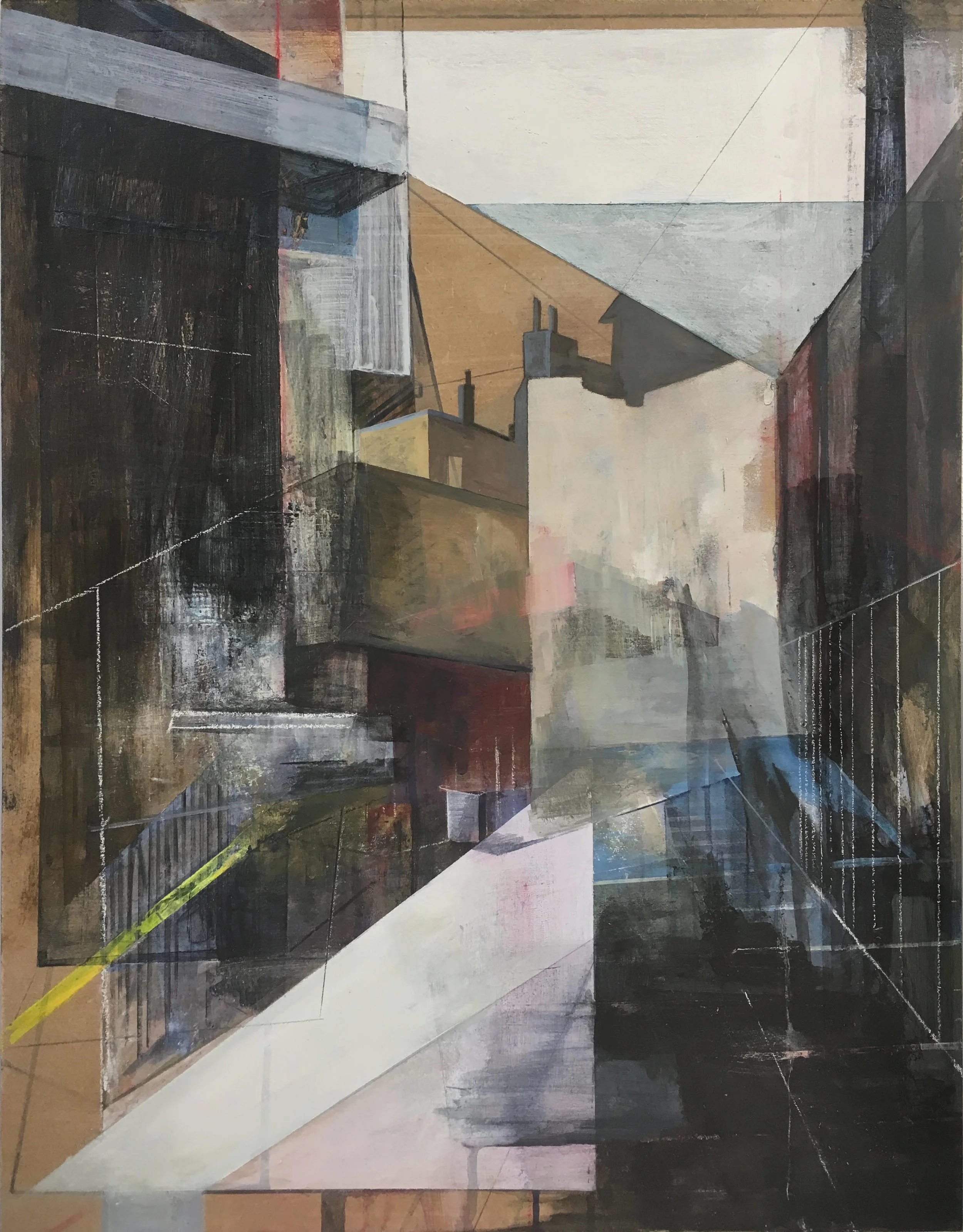
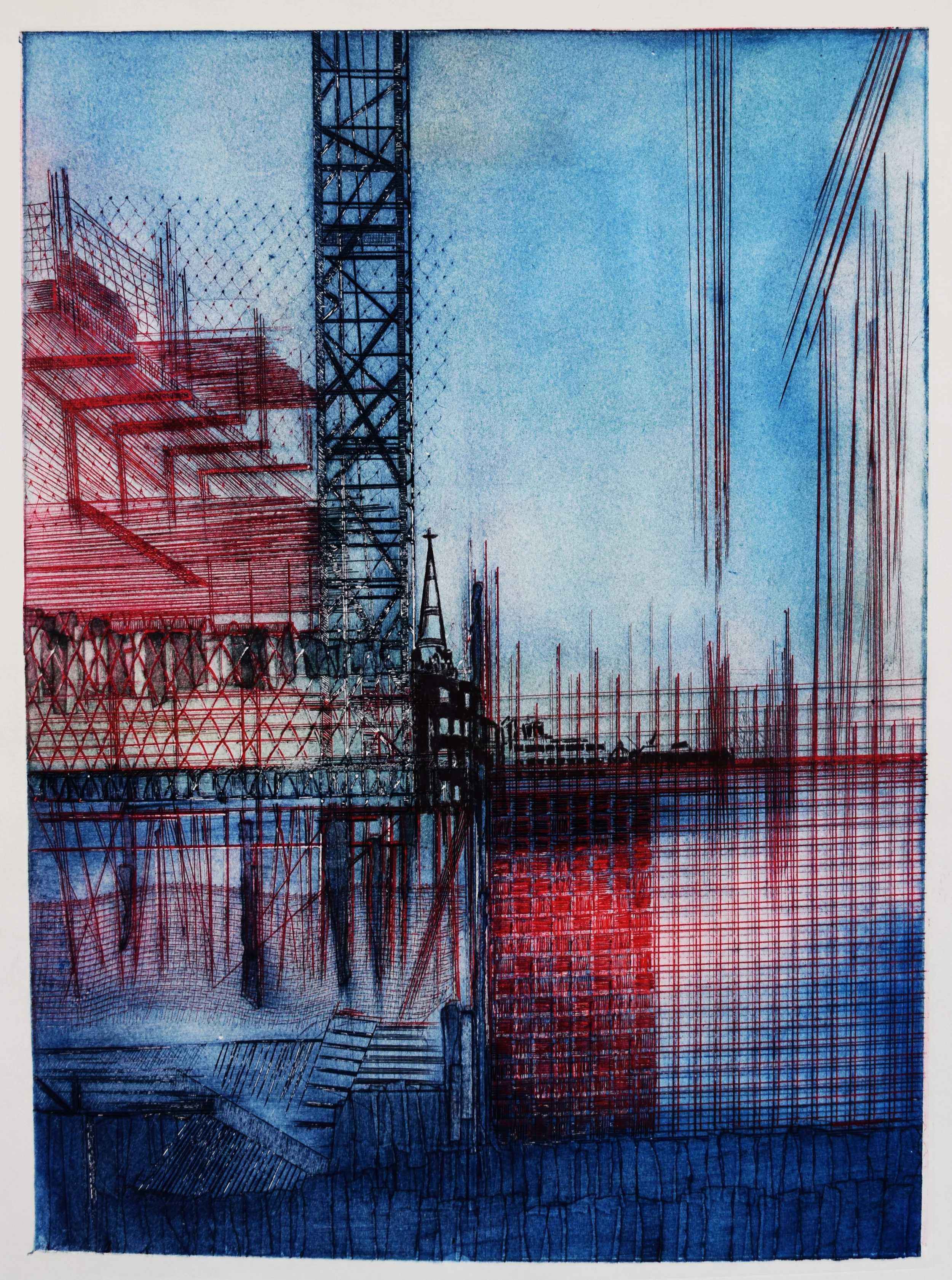
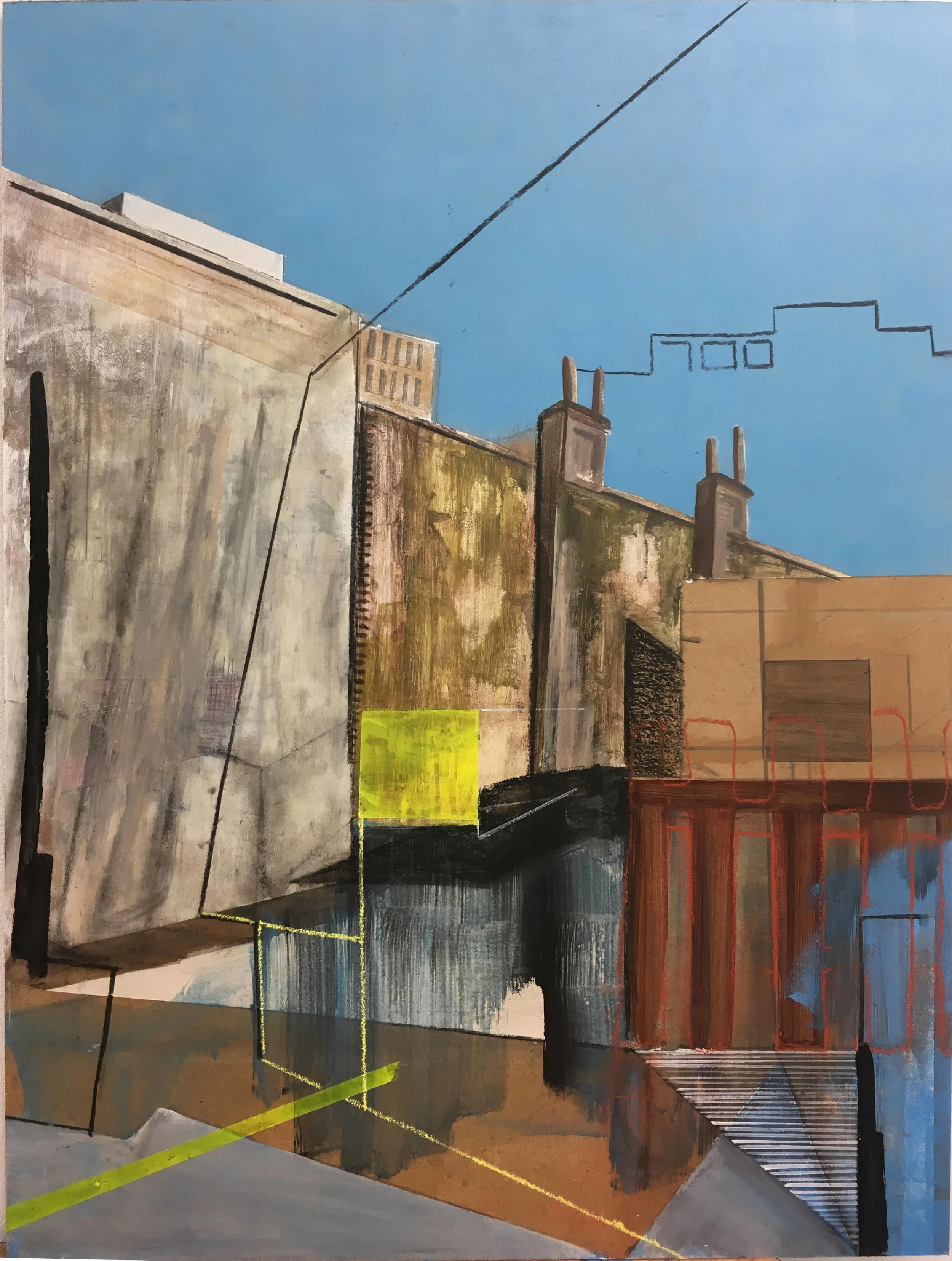
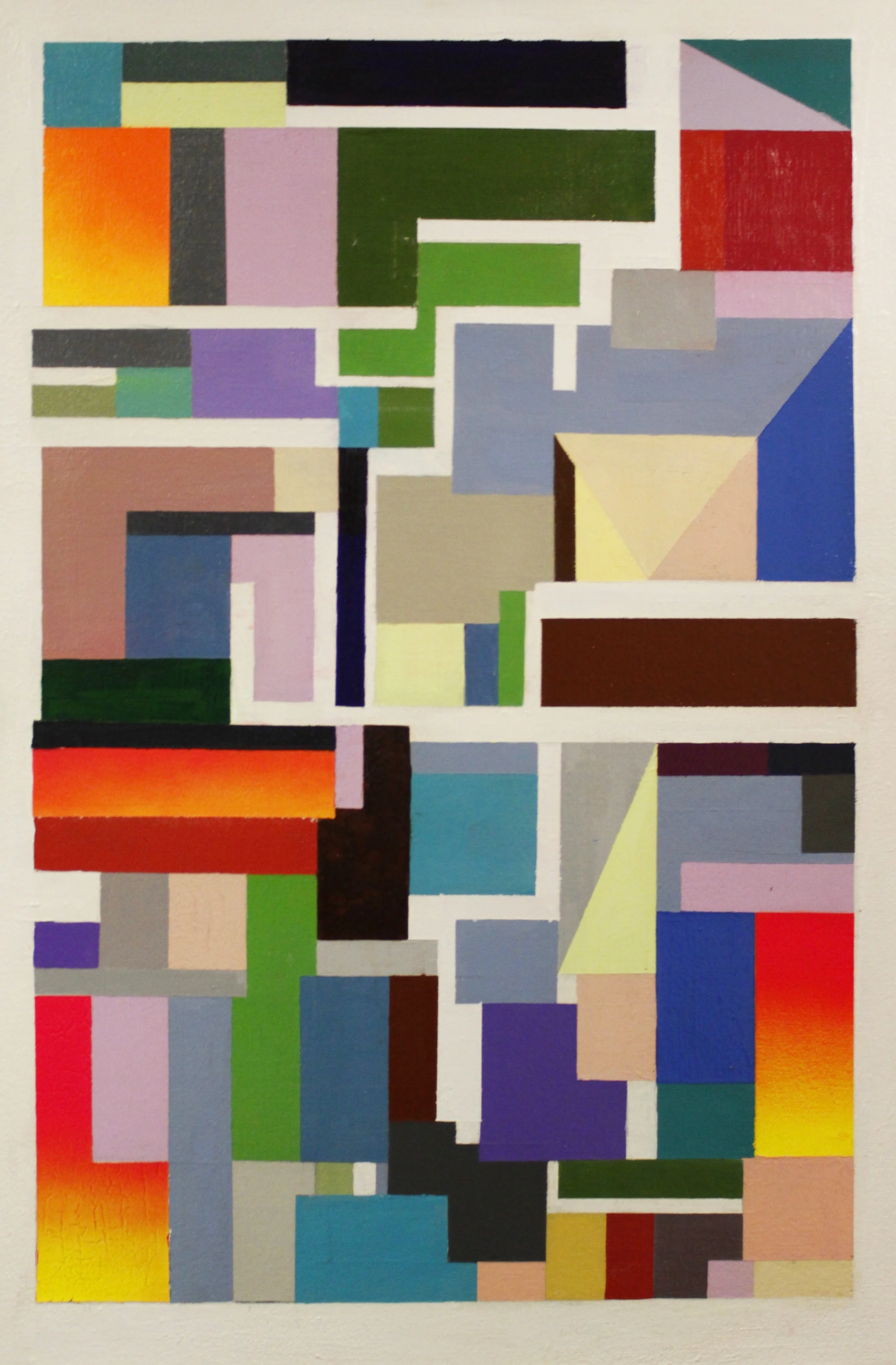
Art does not need to be expensive or museum-grade to enrich a home. Prints, posters, textiles, and even personal photographs can carry meaning and beauty when presented with care. The key is thoughtful curation — choosing pieces that resonate with your taste and complement the palette of your interiors. In minimalist apartments, a single striking piece can do the work of many, providing a vivid focal point without visual clutter. Alternatively, a dense, salon-style hang brings energy and conversation to a dining area or corridor. The most successful collections are those that reflect the dweller's own story, making the space feel genuinely personal rather than merely decorated.
Beyond the visual, art contributes to the atmosphere and mood of a home. A calm, muted landscape can support restful evenings in a bedroom, while bold, graphic work energises a workspace or entry hall. Considering how each piece makes you feel is just as important as how it looks. Textured pieces — woven wall hangings, relief sculptures, or framed textiles — add depth and soften the hard lines of urban living. As your collection grows, rotating pieces between rooms keeps the home feeling fresh and gives each artwork renewed attention. In this way, a gallery wall becomes less a static display and more a living, breathing part of daily life.